Why Milan Stands Apart: What Expats Discover That Other Global Cities Can't Match
From design-forward living to unmatched proximity to the Alps, Milan offers a lifestyle formula that few competitors can replicate.
From design-forward living to unmatched proximity to the Alps, Milan offers a lifestyle formula that few competitors can replicate.
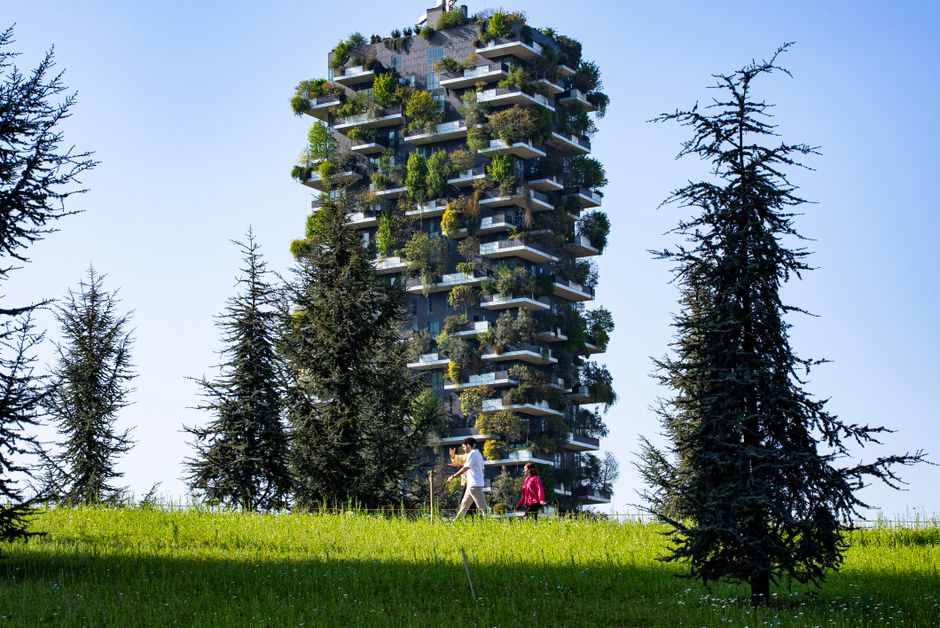
Moving to a new city means weighing countless variables: cost of living, career prospects, cultural vibrancy, quality of life. For expats choosing between Milan, London, Berlin, or Barcelona, the decision often hinges on what makes one truly distinct. After months of relocating international professionals, one pattern emerges consistently: Milan's particular alchemy—blending Italian dolce vita with northern European efficiency—creates something genuinely unique on the global stage.
Consider geography first. Unlike London or Berlin, Milan sits just 90 minutes from skiing in the Dolomites and Lombard lakes that rival Alpine destinations. This proximity to nature isn't incidental to Milan's appeal; it's fundamental. Weekend flexibility here means a Saturday morning coffee in Navigli, followed by afternoon hiking near Como, or sunset drinks overlooking Lecco's waters. Few major fashion and finance hubs offer this escape velocity.
The design infrastructure distinguishes Milan further. While Barcelona champions architecture and Berlin celebrates street art, Milan has systematized creativity into its DNA. The Zona Tortona and Lambrate neighbourhoods function as open-air laboratories where furniture companies, fashion ateliers, and tech startups share studio spaces. Furniture Fair season (April and September) transforms the entire city into an industry summit. This isn't tourism; it's professional immersion. Expats working in creative fields find themselves organically embedded in the world's design conversation simply by showing up.
Then there's the pragmatic efficiency layer. Milan operates like Zurich or Copenhagen in terms of public transport reliability and municipal organization, yet maintains Italian charm absent from more austere northern cities. The Metro network—clean, punctual, extensive—contrasts sharply with the Byzantine systems newcomers battle in Rome or Naples. Rent in desirable neighbourhoods like Porta Romana or Brera averages €1,200–1,500 monthly for a one-bedroom apartment; steep by European standards, but justified by the city's earning potential and professional opportunities.
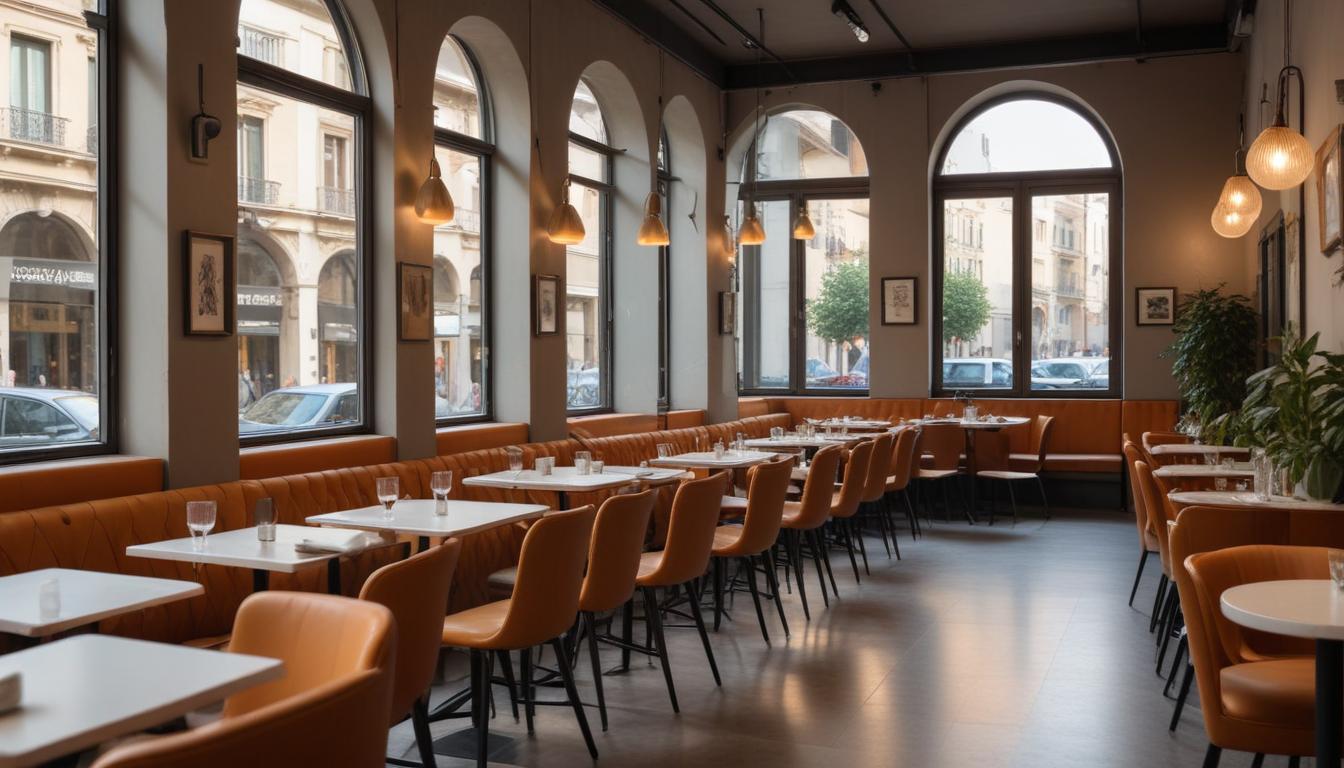
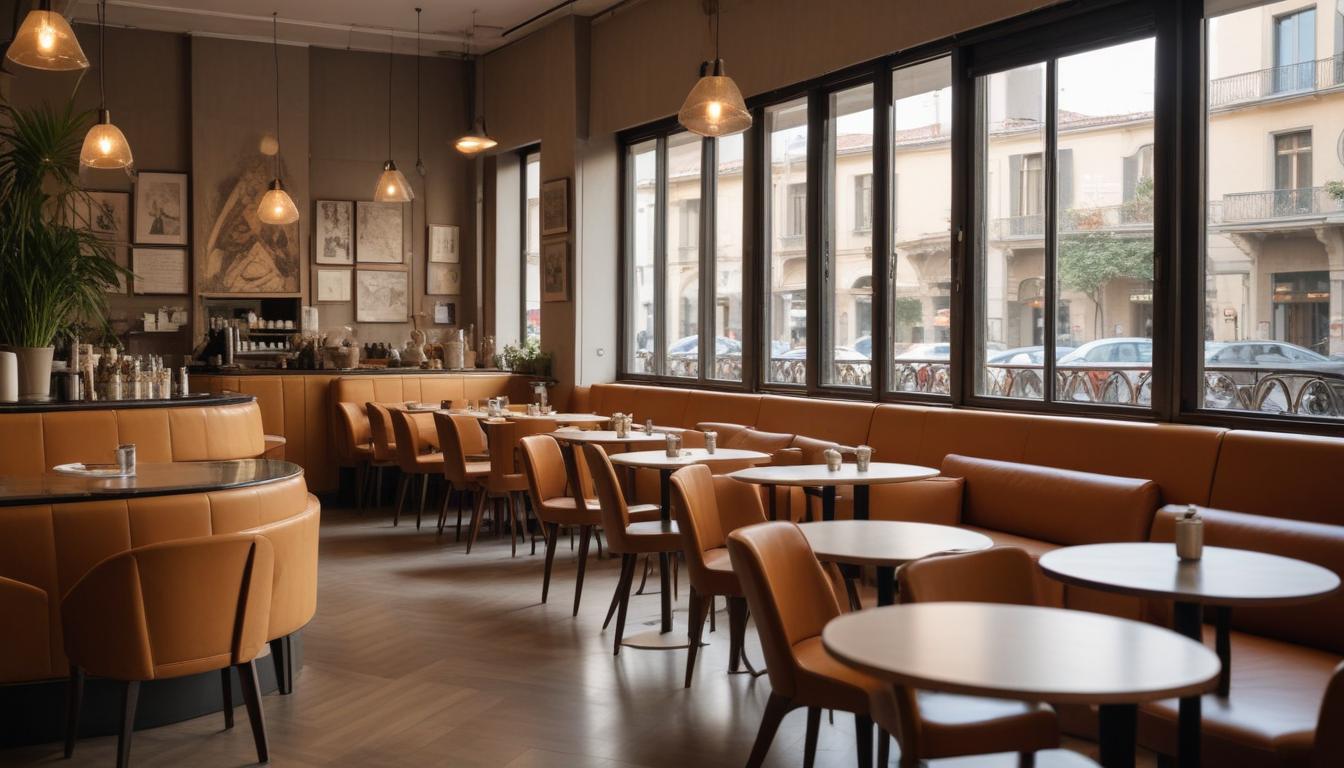
What truly separates Milan is cultural balance. It's sophisticated without pretension, international without diluting Italian identity. You'll find 47 museums, three Michelin-starred restaurants, and world-class opera at La Scala. But equally, you'll find students playing football in Parco Sempione, neighbourhood trattorias where reservations aren't required, and an authentic street culture that hasn't been over-curated for Instagram.
For expats accustomed to London's cost and bureaucracy, Berlin's precarity, or Barcelona's tourism saturation, Milan offers a viable third way: a city with genuine economic substance, established infrastructure, cultural significance, and—crucially—still-discoverable corners where real Milanese life unfolds. That combination remains rare at this scale.
This article was compiled by AI from the sources linked above and screened before publishing. See our editorial standards.
How does this story make you feel?
Spread the word
About this article
Published by The Daily Milan
Daily brief
Free, in your inbox before 7am. Weekdays.
More in lifestyle