Milan's Secret Advantage: How This City Reinvented Urban Green Space Like No Other
While global cities compete for park supremacy, Milan has cracked a formula that balances density, accessibility and design in ways that leave rivals scrambling.
While global cities compete for park supremacy, Milan has cracked a formula that balances density, accessibility and design in ways that leave rivals scrambling.
Walk through Parco Sempione on a June evening, and you'll notice something that distinguishes Milan from London's Hyde Park, New York's Central Park, or even Barcelona's Ciutadella: the sheer proximity of green to urban intensity. Within minutes of the Duomo's Gothic spires, you're surrounded by 386 hectares of manicured lawns and tree-lined pathways—yet the city never feels like it's sacrificed density for breathing room.
This paradox is precisely what makes Milan's outdoor living culture unique. The city has mastered what urban planners call "distributed greenery"—rather than concentrating parks in isolated zones, Milan has woven them throughout its fabric. The Navigli district exemplifies this: the restored canals that once powered the city's mills now host 150 kilometres of waterfront walks, with cafés, galleries and residents living metres from water. Compare this to Venice's canals, which are primarily tourist corridors, or Amsterdam's, which serve utility first. Milan's Navigli merge function with lifestyle.
Then there's the scale economics. A season ticket to Milan's major parks—including access to Parco Formentano and the emerging Biblioteca degli Alberi near Porta Garibaldi—costs roughly €80 annually for residents, among Europe's most competitive rates. Yet investment in these spaces remains substantial: the city spent €45 million on park infrastructure between 2020 and 2025, according to municipal records.
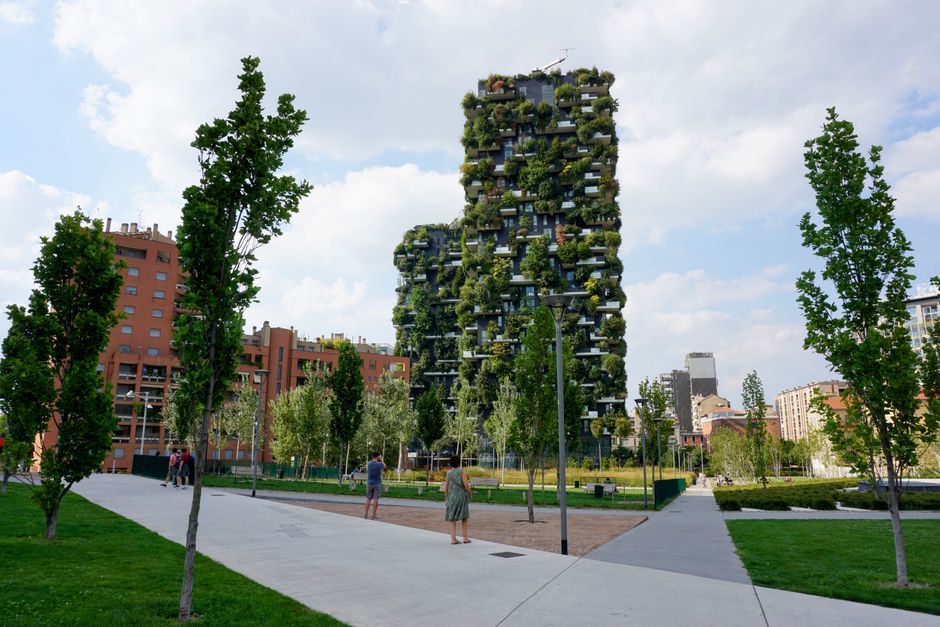
What truly separates Milan, however, is vertical integration. The city's commitment to rooftop gardens and building-integrated greenery surpasses most competitors. The Bosco Verticale towers in Porta Nuova contain 900 trees and 5,000 plants across just two residential buildings—a concept now copied globally but pioneered here. Meanwhile, the Giardini di Porta Venezia, Milan's oldest public garden, recently underwent a €12 million restoration that prioritised accessibility over aesthetic purity, adding wheelchair routes and family zones without diminishing its 1850s charm.
International cities have grander parks. Singapore's Gardens by the Bay attracts more visitors; London's green belt is statistically larger. But Milan has solved the riddle that eludes most metropolitan areas: how to embed nature so thoroughly into daily urban life that stepping outside becomes an act of environmental immersion, not a deliberate excursion. Here, the commuter stops at Largo La Foppa not because they've "gone to the park," but because the park has come to them.
As global cities grapple with climate anxiety and density fatigue, Milan's model—distributed, accessible, integrated—offers something increasingly rare: proof that modernity and green living aren't competing values but complementary ones.
This article was compiled by AI from the sources linked above and screened before publishing. See our editorial standards.
How does this story make you feel?
Spread the word
About this article
Published by The Daily Milan
Daily brief
Free, in your inbox before 7am. Weekdays.
More in lifestyle