The Faces Behind Milan's Daily Commute: Stories from the Tram Lines That Keep the City Moving
From Duomo to Navigli, the people who navigate Milan's transport network reveal the true heartbeat of Italy's fashion capital.
From Duomo to Navigli, the people who navigate Milan's transport network reveal the true heartbeat of Italy's fashion capital.
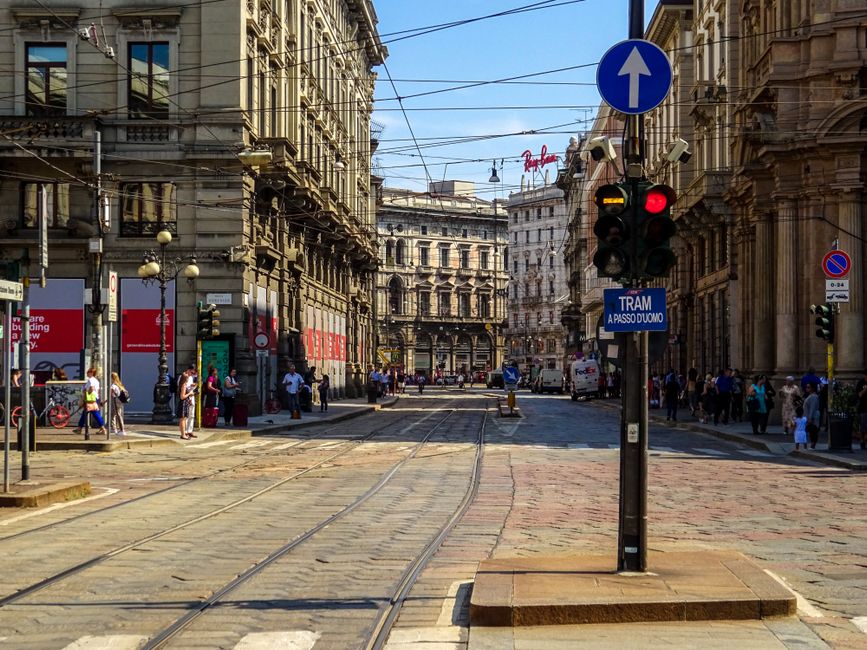
Every morning at 7:15, Rosa Benedetti boards the number 1 tram outside Cairoli station with the same measured grace she's perfected over thirty-seven years. The retired seamstress, who once stitched buttonholes in the Porta Venezia tailoring district, now volunteers three days a week at a community centre near Lambrate. Her commute—just two stops—has become a ritual of connection, a chance to greet the same ticket inspector, exchange nods with the young parents juggling strollers and espresso cups, and observe how Milan moves.
Benedetti's journey is one thread in the vast tapestry of Milan's daily transport story. With over 1.3 million journeys made each day on the city's metro, trams, and buses, the network is more than infrastructure—it's a stage where Milanese life unfolds in ordinary, extraordinary ways.
The ATM (Azienda Trasporti Milanesi) operates a system that's become increasingly democratic. A monthly pass costs €35, making it accessible across socioeconomic lines. On any given morning, you'll find investment bankers from the Brera district standing shoulder-to-shoulder with construction workers heading to job sites in Bonola, international students clutching phones with Google Maps open, and elderly couples retracing routes they've taken since before the metro's expansion in the 1960s.
Take the M3 line running from San Donato through the city centre to Comasina. It passes through neighbourhoods that tell Milan's migration story—the Ghiottone district now home to thriving communities from North Africa and the Philippines, many of whom have become essential workers in healthcare and hospitality. Their presence on the platforms, their multilingual conversations, their practiced efficiency with transit cards, speaks to a city constantly reshaping itself.
What strikes observers most is the unwritten code of civility that persists despite crowding. During rush hour on the number 9 tram heading toward Porta Romana, strangers move with choreographed consideration—shifting bags, yielding seats for pregnant women and the elderly, a quiet social contract that endures.
For many Milanese, the commute isn't merely functional. It's where the city's real character emerges: in the underground art installations at Monumental station, in the relationships formed between regular passengers, in the small acts of urban decency that keep a metropolis humane. Milan's transport network moves millions, but it's these human moments—the overlooked, everyday rituals—that truly define how this city breathes.
This article was compiled by AI from the sources linked above and screened before publishing. See our editorial standards.
How does this story make you feel?
Spread the word
About this article
Published by The Daily Milan
Daily brief
Free, in your inbox before 7am. Weekdays.
More in lifestyle