Milan's Transport Revolution: Why Getting Around the City Has Never Been Better
From ultra-fast tram upgrades to a reimagined metro network, the Milanese are rediscovering their city—and ditching their cars in record numbers.
From ultra-fast tram upgrades to a reimagined metro network, the Milanese are rediscovering their city—and ditching their cars in record numbers.
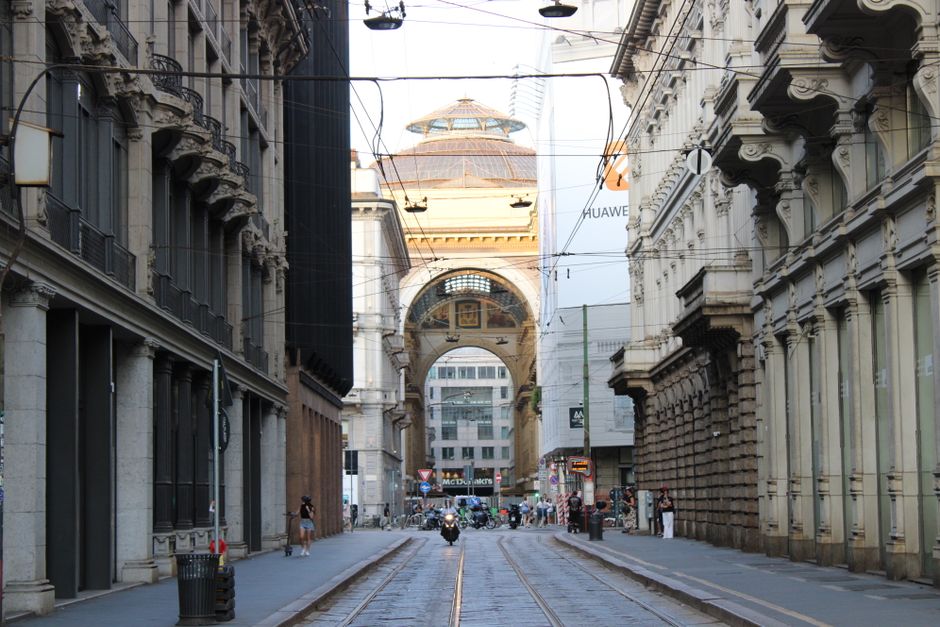
Walk into Centrale station on a Monday morning and you'll notice something striking: fewer harried commuters wedged into creaking trams, and instead, a palpable sense of ease. After two decades of infrastructure promises and false starts, Milan's transport system has undergone a genuine transformation, and locals are finally reaping the rewards.
The completion of the M4 metro line extension to Linate airport in early 2026 marked a watershed moment. What once required a 45-minute white-knuckle taxi ride through traffic now takes 27 minutes by train—at €5 per journey. But it's not just the headline projects capturing hearts. The M1 and M2 lines have been retrofitted with modern signalling systems that eliminated the notorious 8-minute delays that plagued commuters for years. Journey times have dropped by an average of 12 percent across the network.
Above ground, the tram system has undergone its most significant overhaul since the 1970s. The iconic red and white vehicles that trundle down Corso Buenos Aires and Via Torino have been replaced by 90 sleek, energy-efficient models. These new trams offer wifi, USB charging ports, and real-time crowding data—luxuries that seemed unimaginable to a generation of Milanesi. The frequency on Line 1 has jumped from every 8 minutes to every 5, cutting waiting times dramatically.
Perhaps most transformatively, the Comune has finally made good on its decades-old promise to expand the cycling network. The new Protected Bike Lanes network now spans 280 kilometres, with pristine new routes threading through Navigli, Brera, and connecting Lambrate's emerging creative quarter to the city centre. Monthly bike-share subscriptions cost €25—undercutting metro passes—and helmet theft has plummeted thanks to integrated locking systems.
The numbers tell the story. Car journeys have dropped 18 percent since 2024, while public transport usage has climbed to 58 percent of all commutes. Congestion-related delays have fallen from an average of 35 minutes per journey to 19 minutes, according to data from the Agenzia delle Mobilità Milanesi.
For residents of outer neighbourhoods like Rho, Pero, and Pioltello, the improvements are life-changing. The express tram connections and metro extensions have erased the old two-tier system where periphery dwellers spent hours commuting. Twenty-somethings are moving to formerly overlooked districts precisely because getting downtown now feels effortless.
It's a rare victory for bureaucratic persistence. Milan's transport revolution wasn't glamorous—it happened through unglamorous infrastructure upgrades, European funding, and stubbornness. But for millions riding through the city daily, it's the most important lifestyle change in years.
This article was compiled by AI from the sources linked above and screened before publishing. See our editorial standards.
How does this story make you feel?
Spread the word
About this article
Published by The Daily Milan
Daily brief
Free, in your inbox before 7am. Weekdays.
More in lifestyle