Walk through Parco Sempione on a June evening, and you'll witness something increasingly rare in major world cities: thousands of Milanesi of all ages claiming public green space as their own, without pretence or social hierarchy. It's this democratic approach to outdoor living that sets Milan apart from London's exclusive commons, New York's commercialised parks, and even Paris's manicured formality.
The numbers tell part of the story. Milan boasts 4,600 hectares of green space—roughly 17% of the city's total area, distributed across 220 parks and gardens. Compare that to Berlin's 13% or Barcelona's 6%, and the scale becomes clear. But quantity alone doesn't explain Milan's distinctive outdoor culture.
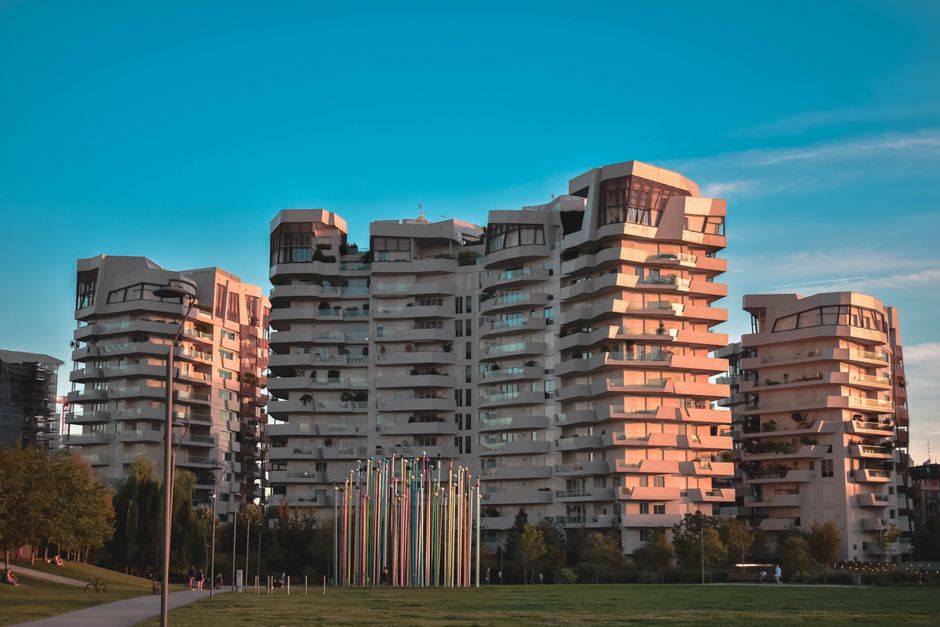
What makes Milan genuinely unique is how it weaves history, innovation, and neighbourhood identity into its green spaces. The Orto Botanico, hidden in Brera, serves not just botanists but students, workers, and families seeking refuge. Its 10,000 plant species occupy less than two hectares—a masterclass in density and purpose. Meanwhile, the newer Parco Biblioteca degli Alberi, completed in 2018 and funded partly by private investment, demonstrates how Milan increasingly blends public and private stewardship. Locals pay €8-12 for temporary parking nearby; the park itself remains free.
But perhaps most telling is how Milan's outdoor spaces function as genuine extensions of neighbourhood life rather than tourist attractions. The Navigli district's canal-side stretches aren't Instagram backdrops—they're where locals rent electric boats for €30-40 per hour, grab aperitivos from corner bars, and actually linger. The Colonne di San Lorenzo plaza thrums with authentic street culture that feels organic rather than programmed.
Other cities have impressive parks. Tokyo's Ueno Park draws millions annually. Central Park is architectural legend. But Milan's genius lies in distributing green democracy across neighbourhoods—Parco Lambro in the east, Parco Nord Milano covering 644 hectares across northern suburbs, and the emerging transformation of disused railway corridors into linear parks. This prevents green space from becoming a luxury good accessible only to wealthy postcodes.
The city's commitment to the Foresta Metropolitana initiative—planting three million trees across the metropolitan area by 2030—signals serious long-term thinking. Milan isn't simply managing parks; it's engineering its relationship with nature into urban fabric.
In 2026, as global cities grapple with climate anxiety and density pressures, Milan's model offers something increasingly precious: outdoor spaces that belong to everyone, organised with European rigour, but animated by genuine Milanese vitality.
This article was compiled by AI from the sources linked above and screened before publishing. See our editorial standards.