Beyond the Duomo: Inside Milan's Hidden Neighbourhood Vibes That Define Weekend Living
From Navigli's bohemian canal culture to Brera's artistic pulse, Milan's distinct districts reveal how locals truly spend their leisure time.
From Navigli's bohemian canal culture to Brera's artistic pulse, Milan's distinct districts reveal how locals truly spend their leisure time.
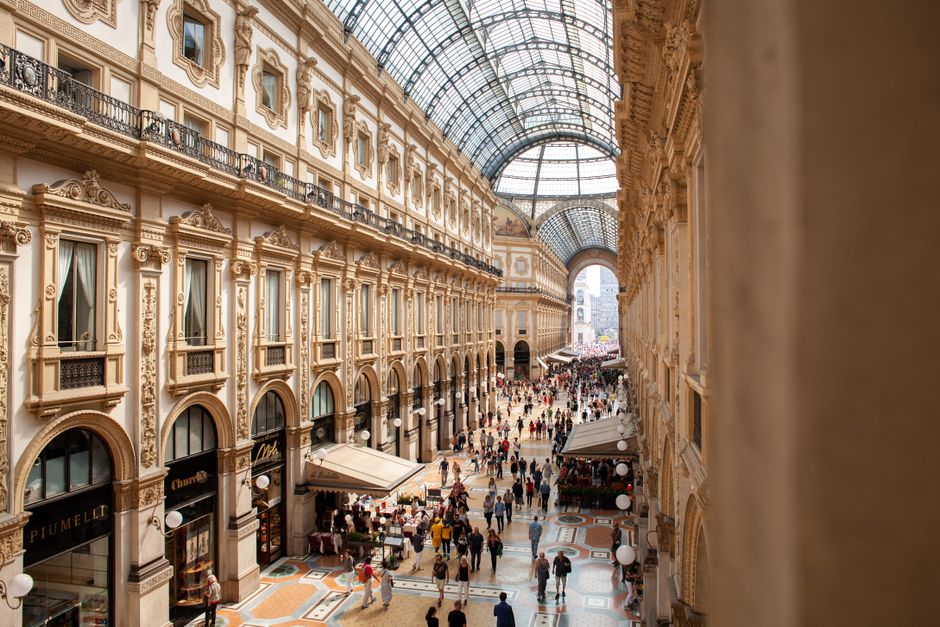
While tourists queue outside the Duomo, Milanese weekends unfold in neighbourhood pockets that tell a different story entirely. Each district carries its own rhythm, attracting a fiercely loyal local community that treats Saturday mornings and Sunday afternoons as sacred rituals of neighbourhood belonging.
The Navigli district pulses with a distinctly bohemian energy, particularly around Via Ascanio Sforza and Ripa di Porta Ticinese. On weekend mornings, locals flood the vintage markets—the Fiera di Sinigallia runs every Saturday along the Darsena, where you'll find everything from mid-century furniture to secondhand vinyl. The neighbourhood's café culture thrives here; independent roasters compete for foot traffic with weekend brunch crowds willing to queue 20 minutes for properly pulled espresso. Young professionals and families with children dominate these streets, creating a democratised leisure culture where a €2 coffee carries the same social weight as a €18 aperitivo.
Brera tells an entirely different neighbourhood story. Concentrated around Via Brera and Piazza del Carmine, this quarter maintains an artistic identity rooted in its Accademia di Belle Arti heritage. Weekend pedestrians here skew older, more curated—gallery openings on Friday evenings draw collectors and creatives who spend Saturday mornings browsing the Pinacoteca di Brera's permanent collections. The neighbourhood's residential community protects its character fiercely; independent bookshops, small design studios, and family-run trattorias define the weekend landscape more than chain retailers. Prices reflect this: a lunch reservation at neighbourhood spots typically runs €25–35 per person.
Porta Romana represents Milan's evolving leisure identity. Once overlooked, this south-eastern neighbourhood has attracted young families and remote workers seeking affordable authenticity. The Mercato Viale Papiniano—one of Europe's largest open-air markets, operating Tuesday and Saturday mornings—draws 50,000 weekly visitors seeking produce, clothing, and household goods at democratic prices. Weekend foot traffic here centres on functionality rather than Instagram aesthetics, creating a grounded community atmosphere absent from more polished zones.
What unites these neighbourhood experiences is their resistance to sanitisation. Milanese locals defend their weekend leisure spaces as extensions of home, not consumption theatre. Whether queuing at a Navigli vintage stall, browsing Brera galleries, or hunting bargains at Viale Papiniano, the weekend ritual centres on community texture—the faces you recognise, the shopkeepers who know your preferences, the unwritten social contracts that define belonging to a specific Milan address.
This article was compiled by AI from the sources linked above and screened before publishing. See our editorial standards.
How does this story make you feel?
Spread the word
About this article
Published by The Daily Milan
Daily brief
Free, in your inbox before 7am. Weekdays.
More in lifestyle