Moving to Milan: The Real Cost, Access Points and Everything You Need to Know Before You Go
From rent in Navigli to health insurance paperwork, here's the practical guide expats actually need.
From rent in Navigli to health insurance paperwork, here's the practical guide expats actually need.
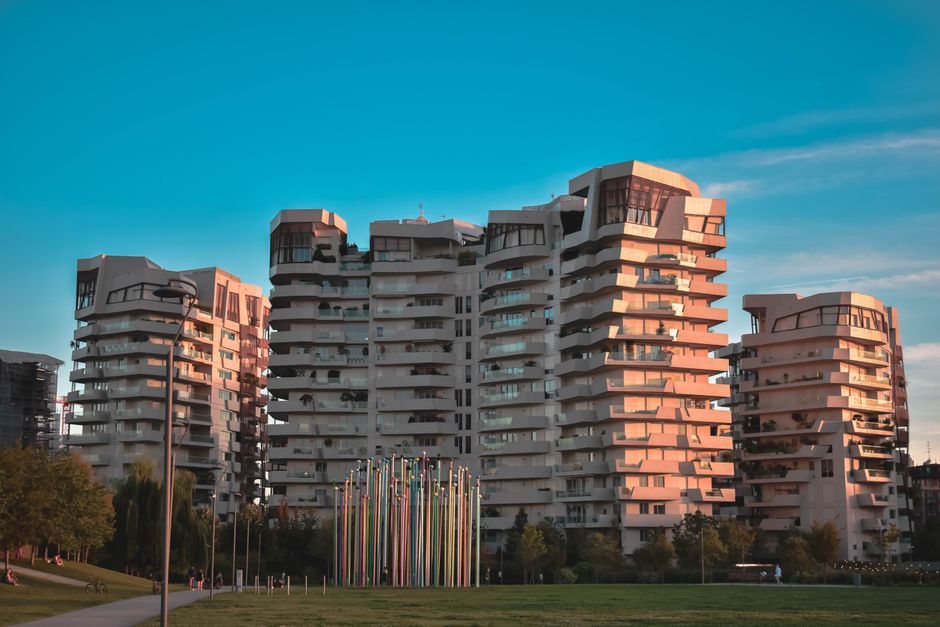
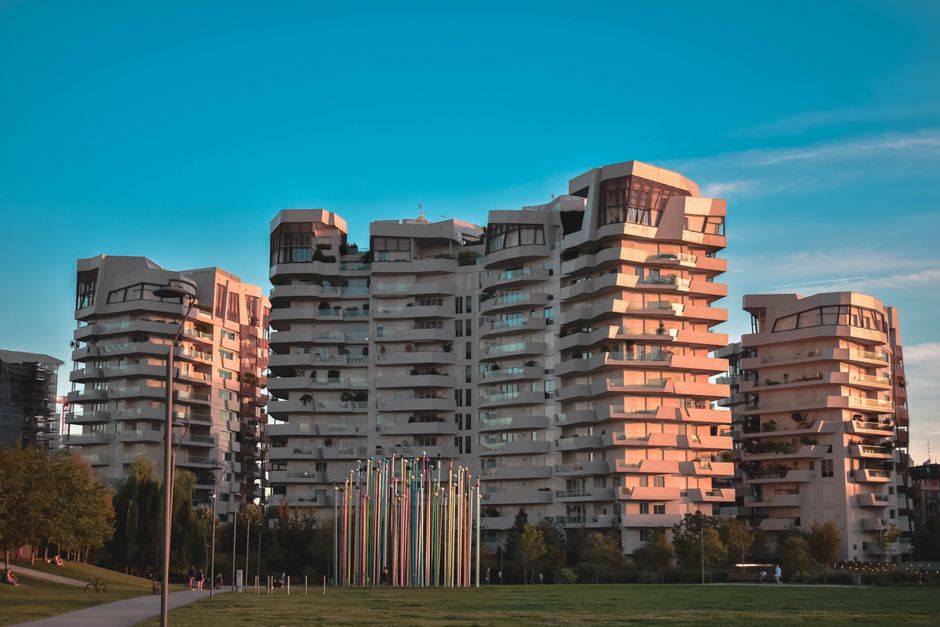
Milan's reputation as Europe's fashion and finance capital draws thousands of newcomers annually, but the reality of relocating here demands serious financial planning and logistical preparation. Before booking that apartment viewing in Brera or Corso Como, understand what you're actually signing up for.
The Housing Reality
Rent dominates your budget. A one-bedroom apartment in central neighbourhoods like Navigli or Sant'Ambrogio averages €900–1,200 monthly; move to emerging areas like Isola or Porta Romana and you'll find €700–900. Outer zones like Lambrate or Bovisa offer €550–750, though commute times increase. Deposits typically equal two months' rent, plus agency fees (often one month). The Immobiliare.it and Idealista platforms are essential; viewings happen quickly, sometimes within hours of listing.
Beyond Rent: Real Monthly Costs
Budget €40–60 for utilities (electricity, gas, water). Milan's public transport—the efficient ATM metro, tram and bus network—costs €39 monthly for unlimited access within city limits. Groceries run €250–350 for one person at chains like Carrefour or Esselunga. A café espresso costs €1–1.50; restaurant meals range €12–20 for lunch menus, €25–50 for dinner without wine. Gym memberships average €50–80 monthly.
Essential Bureaucracy
Your codice fiscale (tax identification number) is non-negotiable; obtain it at the Agenzia delle Entrate office on Via Meravigli. Health insurance requires registration with a GP through Lombardy's regional system—free for EU citizens, roughly €200–400 annually for non-EU expats. Opening a bank account (ING, UniCredit, BNL are mainstream) requires proof of residence and codice fiscale. The Comune di Milano's Sportello Unico (One-Stop Shop) on Piazza Castello handles residency registration within eight days of arrival.
Working and Networking
Milan's job market favours finance, fashion, tech and marketing sectors. Networking happens at venues like BASE Milano in Porta Romana and through organisations like the British Chamber of Commerce in Italy. Remote workers should clarify visa requirements; Italy's digital nomad visa requires €28,000 annual income and costs €100.
First-Month Reality Check
Budget €3,500–4,500 for your opening month—deposit, initial rent, utilities setup, groceries and transport card. Subsequent months run €1,500–2,000 depending on lifestyle choices. The city rewards those who arrive with patience: bureaucracy moves slowly, but Milan's energy, culture and professional opportunities make the friction worthwhile. Plan ahead, expect delays, embrace the grind.
This article was compiled by AI from the sources linked above and screened before publishing. See our editorial standards.
How does this story make you feel?
Spread the word
About this article
Published by The Daily Milan
Daily brief
Free, in your inbox before 7am. Weekdays.
More in lifestyle