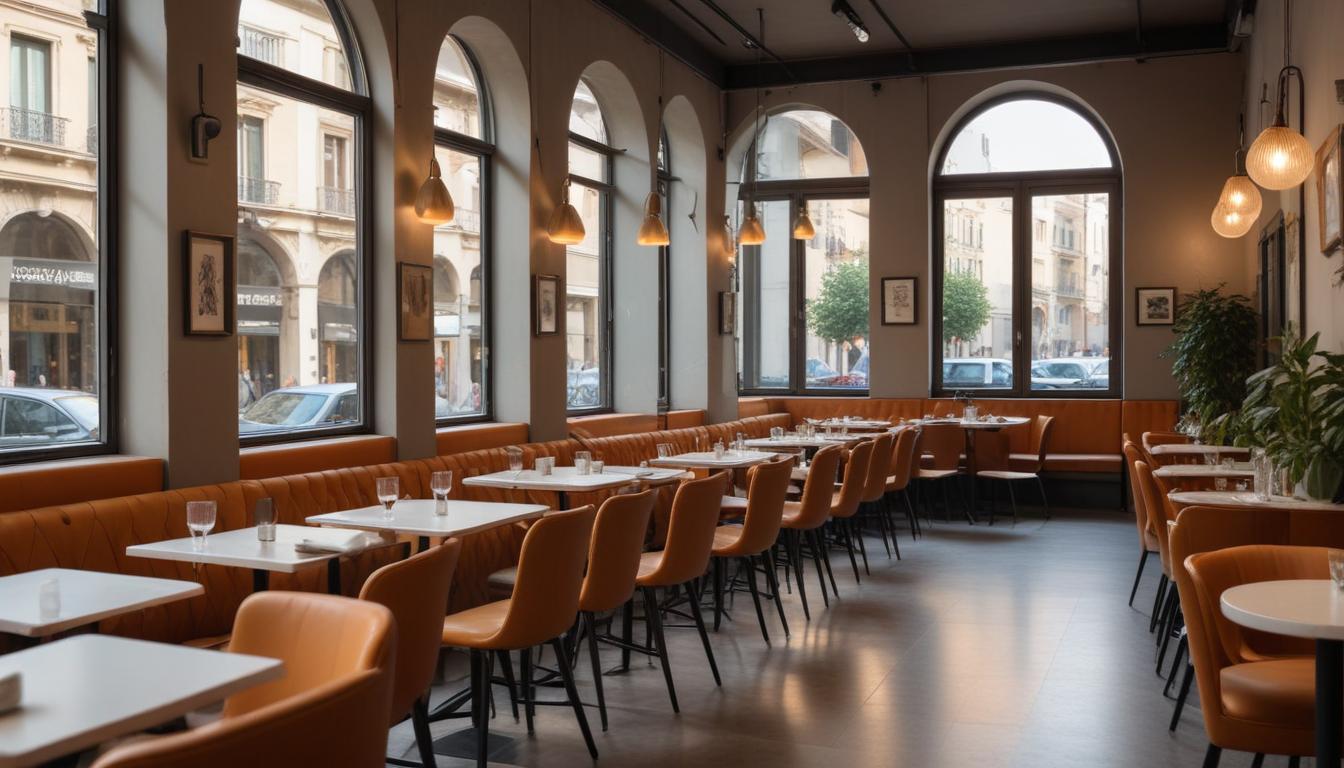
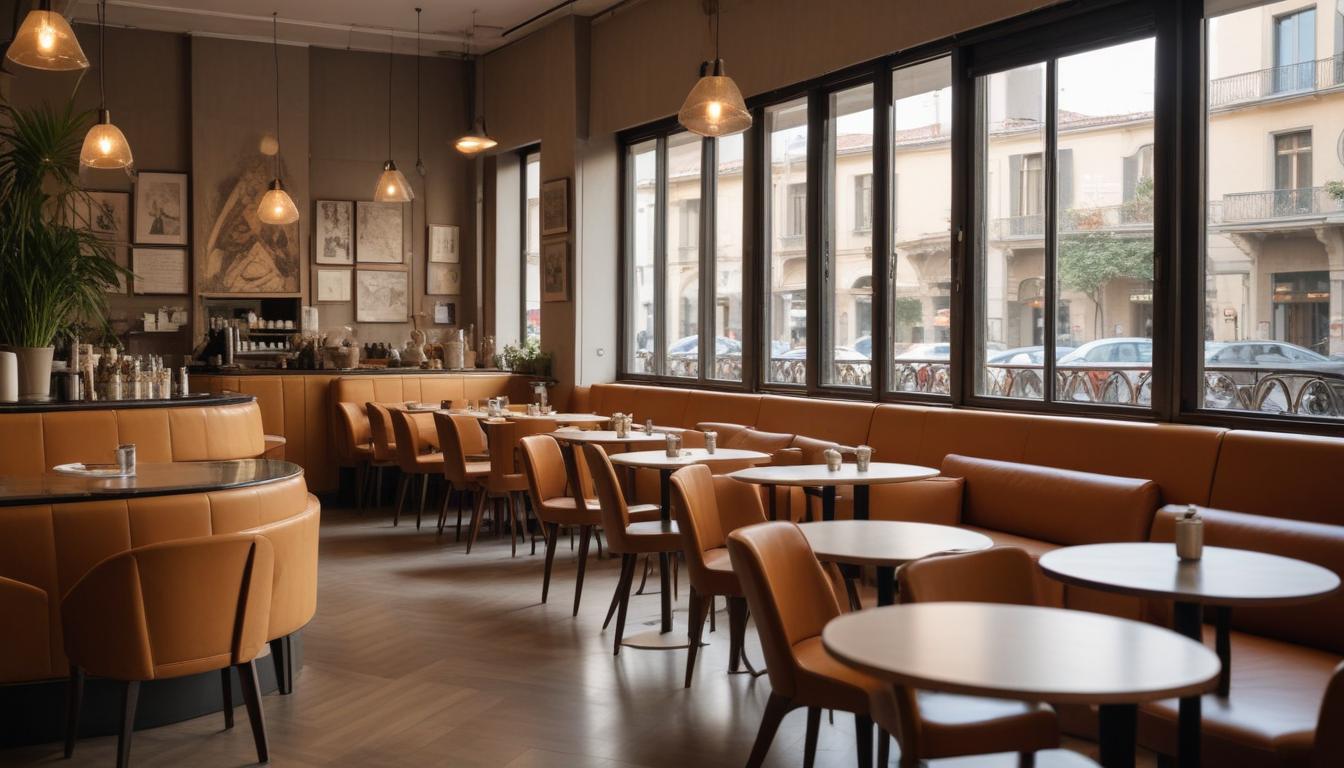
Walk along the Navigli canals on a Saturday morning and you'll witness Milan's parenting revolution in real time. Strollers line the terraces of independent cafés, children splash in the fountains near Ponte di Ferro, and clusters of parents swap school recommendations with the ease of seasoned locals. This isn't accident—it's the result of deliberate neighbourhood curation that has transformed Milan's residential quarters into genuine communities rather than mere addresses.
The shift is most visible in traditionally working-class areas now experiencing a renaissance. Isola, once dismissed as rough around the edges, has become a magnet for young families seeking authenticity over sterility. The neighbourhood's dense network of small piazzas—Piazza Gae Aulenti, with its modernist fountain, now doubles as an impromptu playground—combined with cooperative schools and family-run trattorias, creates an informal village ecosystem. Parents here speak of the "Isola effect": a sense that everyone knows everyone's children.
Education shapes neighbourhood identity profoundly. Milan's international school landscape, dominated by institutions like the American School of Milan (tuition roughly €18,000–€27,000 annually) in Novantico, creates distinct enclaves. Yet Italian-stream families increasingly gravitate toward the public and paritaria options clustering around Brera and Porta Romana. These neighbourhoods boast centuries-old primary schools embedded in their fabric—places where generations have studied beneath the same stucco ceilings. The intimacy is deliberate: parent committees here organize neighbourhood food festivals and collaborative art projects that extend learning beyond classroom walls.
Prices tell another story. Family three-bedroom apartments in coveted Brera range from €800,000 to €1.2 million, pricing out many middle-income families—a tension simmering beneath Milan's cosmopolitan veneer. Navigli offers slightly more breathing room (€500,000–€800,000 for comparable space), though gentrification accelerates yearly. Lambrate, further east, attracts families seeking affordability without sacrificing community: creative hubs, independent bookshops, and parks provide the social texture parents now demand.
What distinguishes Milan's parenting landscape isn't luxury—it's intentionality. Communities here actively cultivate identity through street-level infrastructure: the weekly farmer's market in Piazza Wagner becomes a social contract, bike lanes on Via Torino signal child-friendly urban design, and neighbourhood WhatsApp groups (sometimes numbering 200+ members) function as real-time support networks.
As Milan competes globally for talent and families, its neighbourhoods have quietly become its greatest asset—places where raising children means joining something larger than yourself.
This article was compiled by AI from the sources linked above and screened before publishing. See our editorial standards.