Master Milan's Transport: Your Practical Guide to Getting Around and Truly Enjoying the City
From the metro to e-bikes, here's how to navigate Milan efficiently and unlock the neighbourhoods that matter.
From the metro to e-bikes, here's how to navigate Milan efficiently and unlock the neighbourhoods that matter.
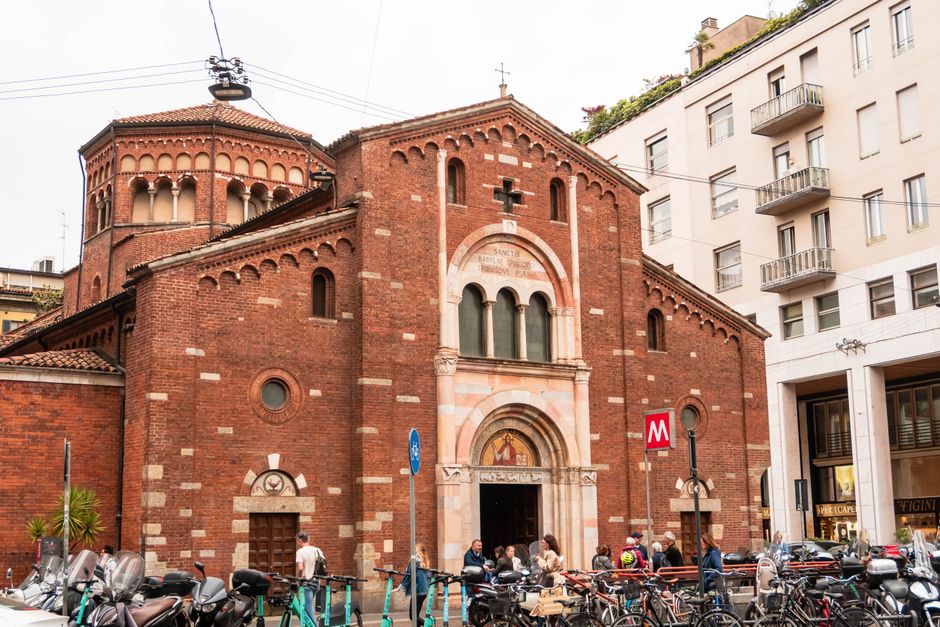
Milan's transport network is one of Europe's most efficient, yet many residents only scratch the surface. Whether you're commuting to the Porta Garibaldi business district or exploring the artisan cafés of Navigli, understanding your options transforms how you experience the city.
The ATM metro system remains your backbone. Three lines crisscross Milan: the red line (M1) connects the northwest to the southeast, the green line (M2) runs north to south, and the yellow line (M3) links Comasina to San Donato. A monthly pass costs €35, making it the most economical choice for daily commuters. For occasional users, 10-journey carnet tickets at €13.80 offer flexibility. But here's the insider tip: the network extends far beyond what tourists explore. Take M2 to Cadorna and switch to the S-lines—regional trains that reach Como in under an hour, perfect for weekend escapes.
Cycling has exploded across Milan in recent years. BikeMi, the city's bike-sharing system, operates over 4,600 bicycles at 340 stations. A monthly subscription costs €24, and Corso Magenta, Via Torino, and the Navigli canals offer dedicated lanes where cycling feels genuinely safe. E-bikes from services like eCooltra or Voi provide motorised alternatives, ideal for navigating longer distances or the city's gentle hills.
Trams deserve mention. Milan's 18 tram lines are often overlooked by newcomers, yet they're atmospheric and efficient. Tram 1 along Corso Magenta takes you past the Duomo and into Porta Ticinese; tram 28 climbs toward the Milan fairgrounds. They feel distinctly Milanese—watch locals reading newspapers in wooden-seated cars while crossing the Navigli bridge.
For those exploring on foot, Milan rewards pedestrians. The Centro Storico around the Duomo is compact and walkable, while the creative neighbourhoods of Isola and Porta Romana require purpose but reveal independent galleries, vintage boutiques, and aperitivo spots rarely crowded with tourists.
Cars? Largely unnecessary. Congestion charges apply in the inner city (€5–€7.50 depending on vehicle), and parking is scarce and expensive. Taxis and Uber operate seamlessly, but residents quickly realise they're rarely needed.
The key to enjoying Milan is recognising that distance here is psychological, not physical. A €35 monthly pass and a BikeMi subscription unlock the entire city—from the Navigli's summer aperitivos to the galleries of Brera, from the fashion district to local markets in Viale Papiniano. Master these systems, and Milan stops being a place you rush through and becomes somewhere you genuinely live.
This article was compiled by AI from the sources linked above and screened before publishing. See our editorial standards.
How does this story make you feel?
Spread the word
About this article
Published by The Daily Milan
Daily brief
Free, in your inbox before 7am. Weekdays.
More in lifestyle