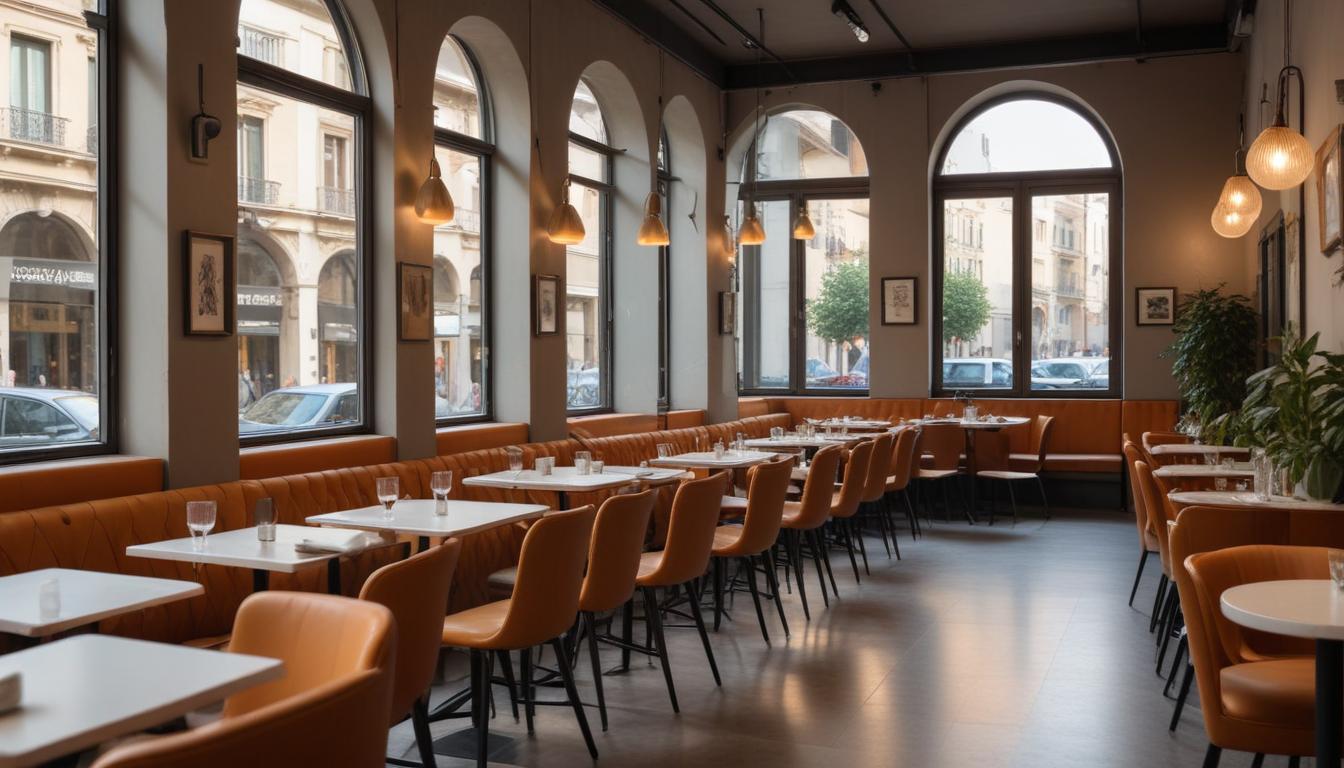
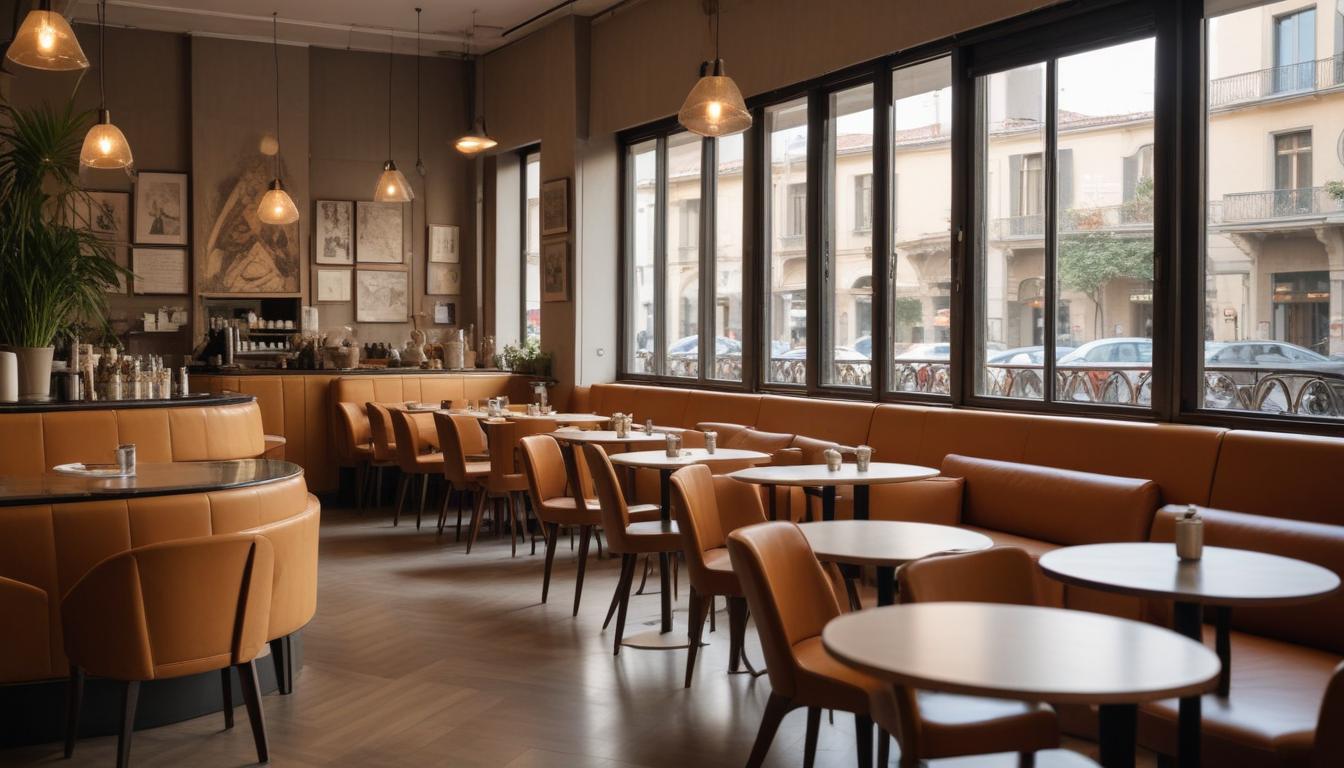
On any given Saturday morning in Navigli, you'll find Marco behind the counter at a neighbourhood espresso bar that's been family-run for thirty-seven years. He's not just serving caffeine—he's the unofficial historian of the district, directing weekend wanderers toward hidden aperitivo spots and the best vintage bookstalls along Via Ascanio Sforza. This is the Milan tourists rarely see: a city where leisure means conversation, where the people pouring your drink know your story.
The Navigli district, which draws roughly 2.3 million visitors annually according to local tourism boards, thrives because of individuals like Marco. Yet step beyond the postcard-perfect canal walks and you'll discover equally compelling characters shaping how Milanesi spend their downtime. In Brera, Giulia runs a small printmaking workshop that opens weekends by appointment—she's transformed her family's former textile studio into a creative hub where locals learn etching techniques passed down through three generations. Her students aren't tourists; they're accountants, architects, and retired teachers seeking meaningful weekend pursuits away from screens.
The economic landscape of Milan's leisure sector reflects this human-centred approach. The city's cultural institutions—including the Pinacoteca di Brera and Castello Sforzesco—attract 4.8 million visitors yearly, but it's the smaller, people-driven experiences that create lasting memories. Day trips to nearby Como or Bergamo gain their richness through local guides who've genuinely lived these stories, not merely narrated them.
In the Isola neighbourhood, Sara manages a community garden project that emerged during the pandemic. What started as three raised beds has grown into a weekend gathering spot where neighbours—from recent immigrants to multi-generational Milanese families—cultivate vegetables and relationships. Weekend admissions are free; the real currency is connection.
These aren't Instagram moments engineered for performance. They're the substance of Milan's lifestyle identity: spaces where authenticity matters more than polish, where guides are community members rather than service providers, where leisure is about deepening roots rather than collecting experiences.
This weekend, skip the main circuit. Find a neighbourhood bar, strike up a conversation, and let the people there guide you. That's where Milan's real soul emerges—not in monuments, but in the faces of those who tend them daily.
This article was compiled by AI from the sources linked above and screened before publishing. See our editorial standards.