The Real Milan Commute: What Daily Riders Actually Do to Beat the Traffic and Chaos
Forget the tourist guides—here's how the city's working professionals genuinely navigate getting from Lambrate to the Duomo.
Forget the tourist guides—here's how the city's working professionals genuinely navigate getting from Lambrate to the Duomo.
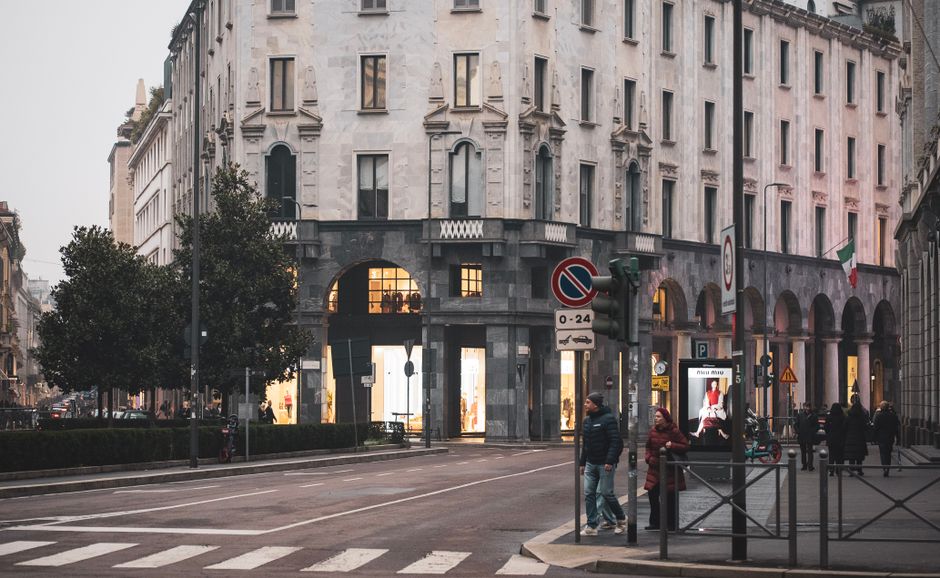
Milan's transport network is a study in contradictions. On paper, the Metropolitana is efficient, running four lines across the city with trains arriving every few minutes during peak hours. In reality, anyone commuting from the outer neighbourhoods to the centre during morning rush knows the genuine pain: overcrowding, delays, and the occasional signal failure that derails an entire day's schedule.
Locals in Porta Romana and the eastern districts have largely made peace with the system's limitations. The consensus among regular commuters is clear: the M3 line towards Duomo is predictably chaos between 7:30 and 9am, making a 20-minute journey stretch to 45 minutes on bad days. The M1 red line offers marginally better conditions but serves fewer central destinations. Monthly passes cost €39.50 for unlimited city travel—cheaper than petrol and parking—yet many professionals supplement metro travel with other strategies.
Cyclists are increasingly visible on Corso Buenos Aires and Via Torino, where dedicated lanes (though still imperfect) provide a faster alternative for those living within 4km of their workplace. E-bike rentals through services like Mobike and conventional bike-sharing remain popular, though locals joke that reclaiming a bike from the Navigli district after 6pm requires patience bordering on religious devotion.
For those with longer commutes, trams—the historic Milanese transport icon—remain underrated. Line 1, running from Como Como to Gratosoglio, bypasses much congestion. It's slower than metro but often less crowded, and there's something distinctly Milan about watching the city roll past from a tram window rather than underground fluorescent tubes.
Car commuting within Milan itself is increasingly viewed as economically irrational. Parking in central areas near Brera or Sant'Ambrogio runs €3-6 per hour, and congestion charges (Area C, the central zone) add €5 daily. Rideshare apps are used tactically rather than habitually—weekend evenings or weather-dependent days, not daily commutes.
The surprising truth among actual Milan residents? Most who can afford flexibility have adjusted work patterns. Starting after 9:30am to avoid peak hours is increasingly normalized, particularly in creative and tech sectors. Remote work eligibility remains genuinely scarce compared to other European capitals, making Milan's commute a persistent fact of life rather than an occasional inconvenience.
The city's transport infrastructure isn't broken, but it's stretched. Success requires abandoning expectations of speed and accepting that the commute is simply part of living here—which, most residents agree, remains worth it regardless.
This article was compiled by AI from the sources linked above and screened before publishing. See our editorial standards.
How does this story make you feel?
Spread the word
About this article
Published by The Daily Milan
Daily brief
Free, in your inbox before 7am. Weekdays.
More in lifestyle