Why Milan's Neighbourhoods Defy the Global City Template
From Navigli's canal-side intimacy to Isola's creative defiance, Milan refuses to follow the playbook of other world capitals.
From Navigli's canal-side intimacy to Isola's creative defiance, Milan refuses to follow the playbook of other world capitals.
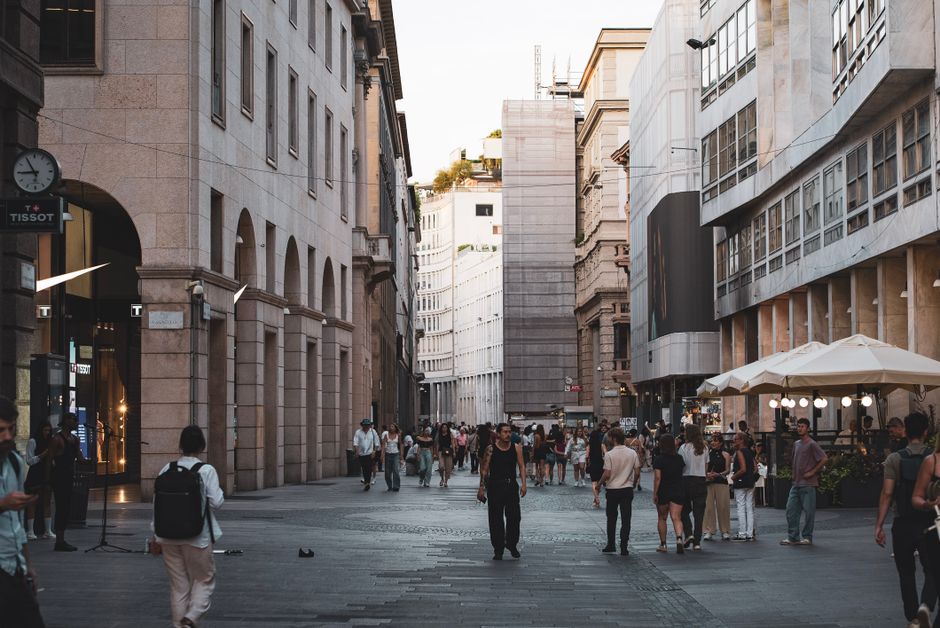
Walk into Navigli on a Saturday evening and you'll witness something increasingly rare in global cities: thousands of residents—not tourists—clustering along centuries-old canals to eat, drink and simply be. This is Milan's secret. While New York gentrifies itself into homogeneity and London becomes a property investment vehicle for the ultra-wealthy, Milan's neighbourhoods maintain fierce local identity precisely because Milanese people still actually live in them.
The numbers tell part of the story. According to the Municipality's 2025 urban report, Milan's average residential density sits at 7,200 people per square kilometre—higher than Manhattan but with significantly lower property prices than comparable European capitals. A one-bedroom apartment in Brera averages €2,100 monthly; equivalent space in Paris or London runs €2,800-3,200. This affordability paradox means young families, artists and creatives haven't been entirely priced out.
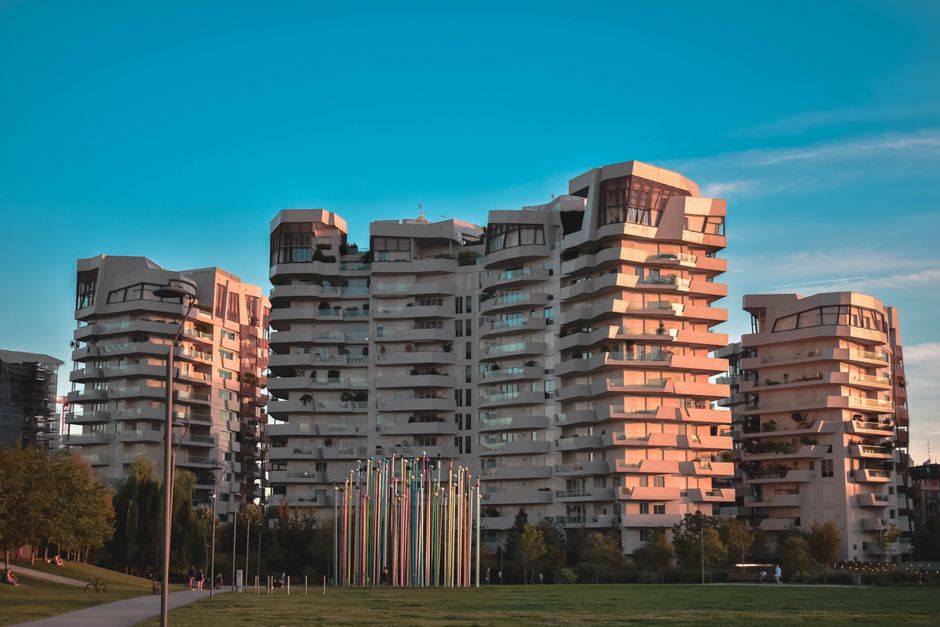
The Isola neighbourhood exemplifies what makes Milan different. Fifteen years ago, it was industrial wasteland. Today, it's become Milan's most deliberately anti-establishment district—not through top-down urban planning but through grassroots occupation. The artist collective that transformed Via Torino's defunct factories rejected corporate sponsorship, instead building creative spaces through cooperative models. Compare this to Berlin's Kreuzberg or Barcelona's El Born, both now saturated with Instagram-ready aesthetics and venture capital. Isola remains defiantly unglamorous.
What truly distinguishes Milan is its refusal to surrender its productive function. Unlike Venice or Florence, which are essentially open-air museums, or Barcelona, which struggles under over-tourism, Milan remains a working city. The Lambrate design district and surrounding manufacturing quarters still hum with actual production. This isn't heritage tourism; it's living labour. The city processes roughly €180 billion in annual GDP—more than most nations—and you feel it in the urgency and energy pulsing through neighbourhoods like Porta Romana and Navigli.
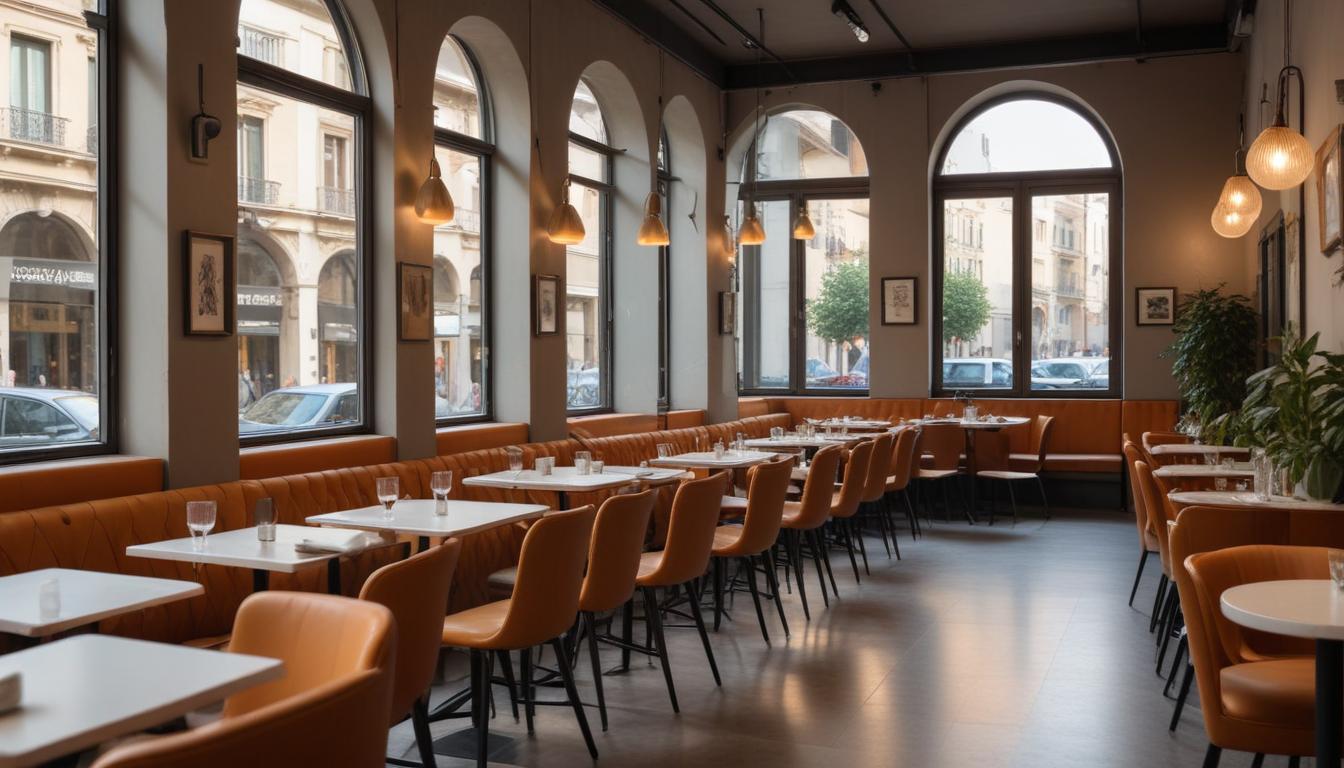
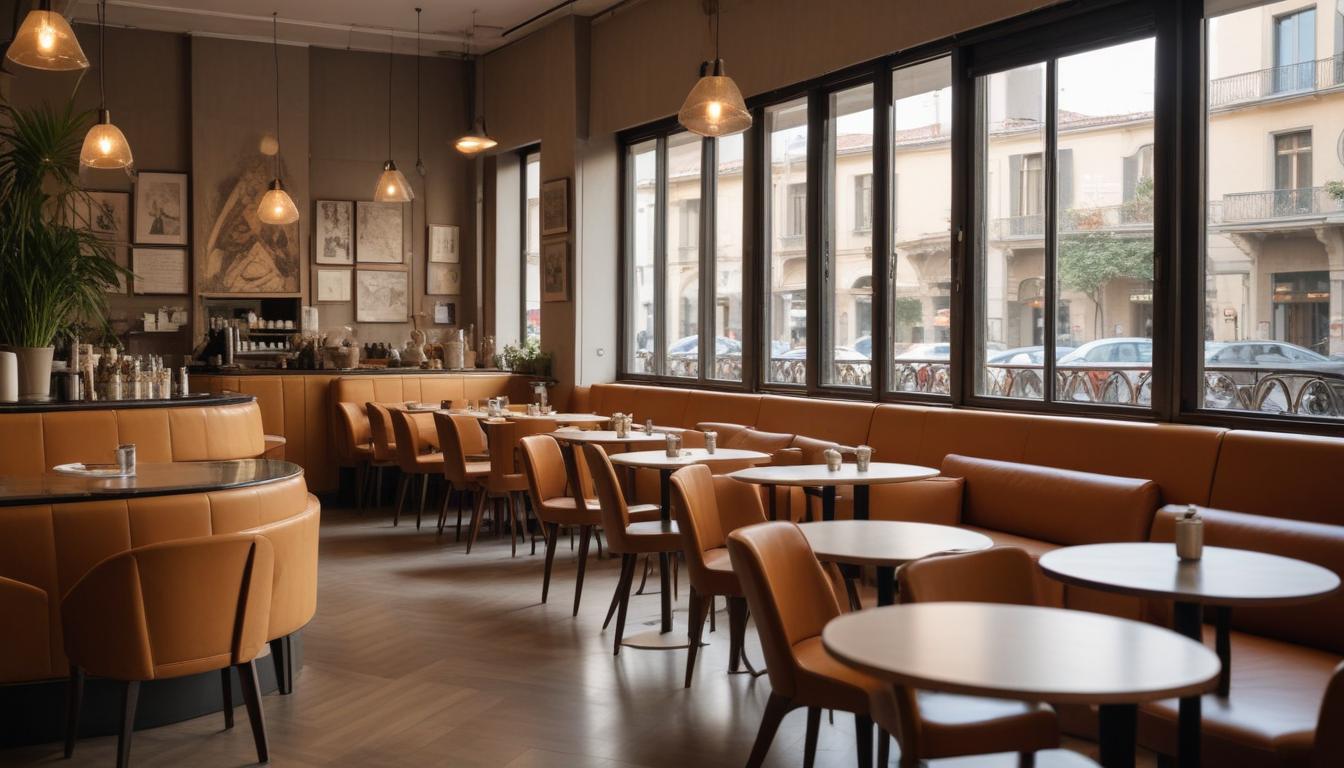
The social fabric reflects this distinction too. Milan's neighbourhood associations—from Associazione Navigli to the Brera Business Improvement District—actively resist monoculture. Local venues like Santeria in Isola or the Navigli's independent trattorie remain genuinely mixed spaces where investment bankers sit alongside students and pensioners. Contrast this with London's postcode segregation or New York's neighbourhood tribalism, and Milan's integration feels almost accidental—the byproduct of density, affordability and a shared belief that cities should remain functional for ordinary people.
This isn't to romanticize Milan. Housing insecurity exists here too; gentrification pressures mount yearly. But the city's particular alchemy—Italian pragmatism meeting design culture meeting democratic urban space—creates something increasingly vanishing elsewhere: a global city that still feels like a place where people live rather than merely invest.
This article was compiled by AI from the sources linked above and screened before publishing. See our editorial standards.
How does this story make you feel?
Spread the word
About this article
Published by The Daily Milan
Daily brief
Free, in your inbox before 7am. Weekdays.
More in lifestyle