Your Milan Neighbourhood Map: A Practical Guide for Residents Ready to Explore Beyond the Duomo
From aperitivo hotspots to hidden courtyards and neighbourhood markets, here's how to unlock the real rhythms of living in Europe's most dynamic city.
From aperitivo hotspots to hidden courtyards and neighbourhood markets, here's how to unlock the real rhythms of living in Europe's most dynamic city.
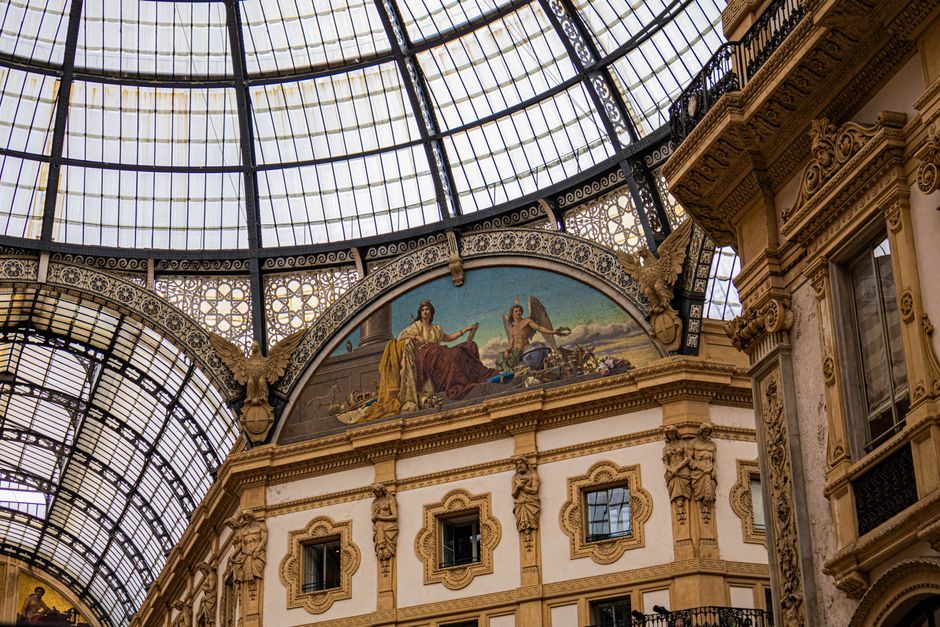
Milan's reputation as a fashion and finance hub often overshadows what many residents already know: the city's true magic lies in its distinct neighbourhoods, each with its own character, rhythm, and essential gathering spots. Whether you've just arrived or are rediscovering your adopted home, these pockets of the city reward curious exploration.
Navigli District: Where Community Breathes
The canal-lined streets around Navigli Grande and Navigli Pavese have long been Milan's heart for neighbourhood life. Thursday through Sunday evenings, residents flood the waterfront for aperitivo—budget €8-12 for a Negroni or spritz and generous snacks at establishments like Bar Basso or newer spots clustering around Ripa di Porta Ticinese. The district hosts the Navigli Market every third Sunday, where locals source vintage finds and artisan goods. For weekday integration, join the morning coffee crowd at corner bars; it's where neighbourhood gossip and genuine friendships form.
Brera: Culture Meets Domesticity
This historically artistic quarter balances bohemian credibility with residential authenticity. The Pinacoteca di Brera (€10 admission) anchors the area, but the real neighbourhood experience happens in the narrow streets off Via Brera itself. Browse independent bookshops, vintage clothing boutiques, and artist studios tucked into 18th-century buildings. Eat at family-run trattorias where €14-18 secures a proper lunch—places frequented by locals, not tourist guides.
Isola: Milan's Emerging Heartbeat
Once isolated (hence the name), this neighbourhood north of the Garibaldi station has transformed into where younger residents and young families now gravitate. Corso Como and the surrounding blocks offer contemporary galleries, concept stores, and an expanding food scene. The weekly Friday aperitivo culture here skews younger and more experimental than Navigli's established rhythm. Local cooperative spaces and design studios dot Via Torino extensions, creating pockets of creative energy.
Getting Around and In
Milan's integrated transport system—metro, tram, and bus—costs €2.20 per journey or €10 for a 10-ride carnet. Most neighbourhoods require 15-25 minutes by public transport from the Duomo. Rent a Bikemi bicycle (€36 monthly pass) to move like residents do, navigating the city's expanding cycle lanes and quiet residential streets.
The Real Integration
Milan rewards residents who slow down. Establish routines: a neighbourhood bar for morning espresso, a weekly market visit, a favourite trattoria by name. These small anchors transform Milan from a postcard backdrop into genuine home.
This article was compiled by AI from the sources linked above and screened before publishing. See our editorial standards.
How does this story make you feel?
Spread the word
About this article
Published by The Daily Milan
Daily brief
Free, in your inbox before 7am. Weekdays.
More in lifestyle