The Faces Behind Milan's After-Dark Renaissance: Meet the Bartenders and Hosts Shaping the City's Soul
From Navigli's canal-side haunts to Brera's intimate corners, it's the people—not just the prosecco—that make Milan's nightlife legendary.
From Navigli's canal-side haunts to Brera's intimate corners, it's the people—not just the prosecco—that make Milan's nightlife legendary.
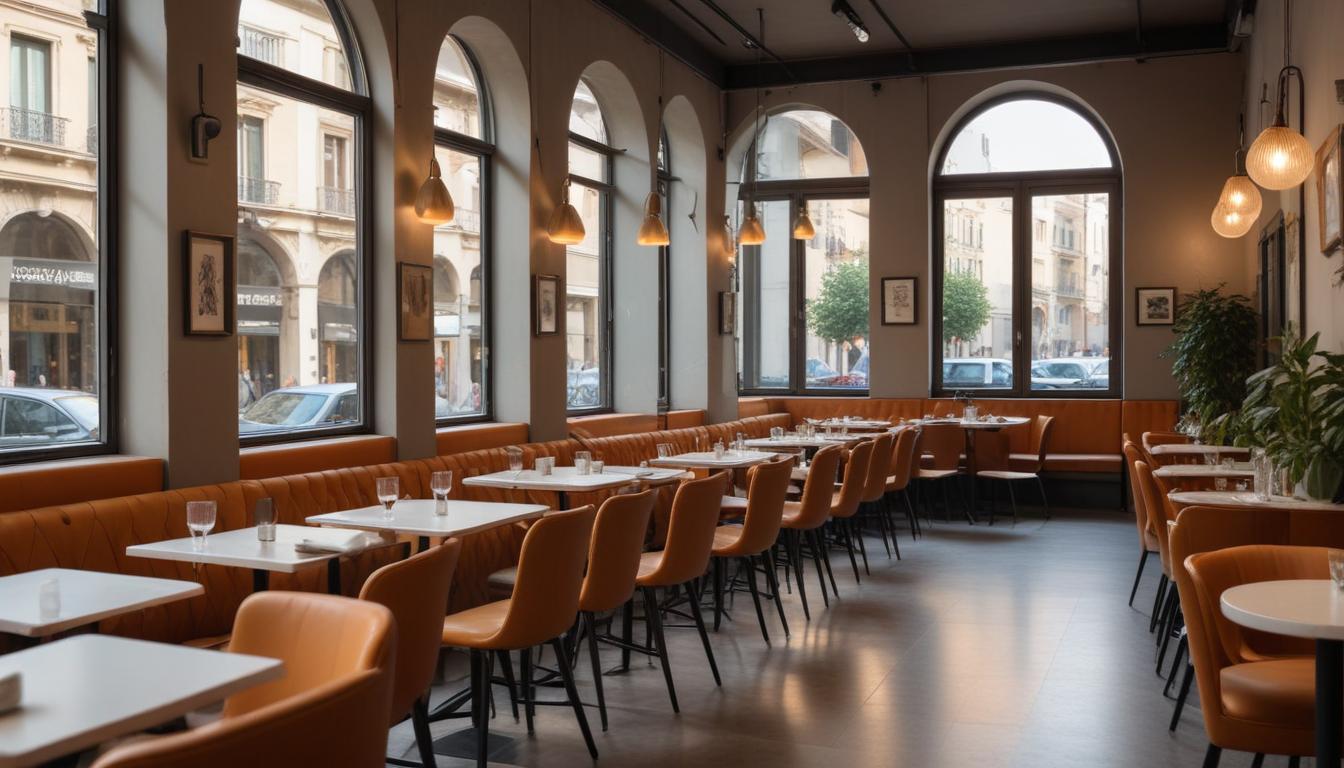
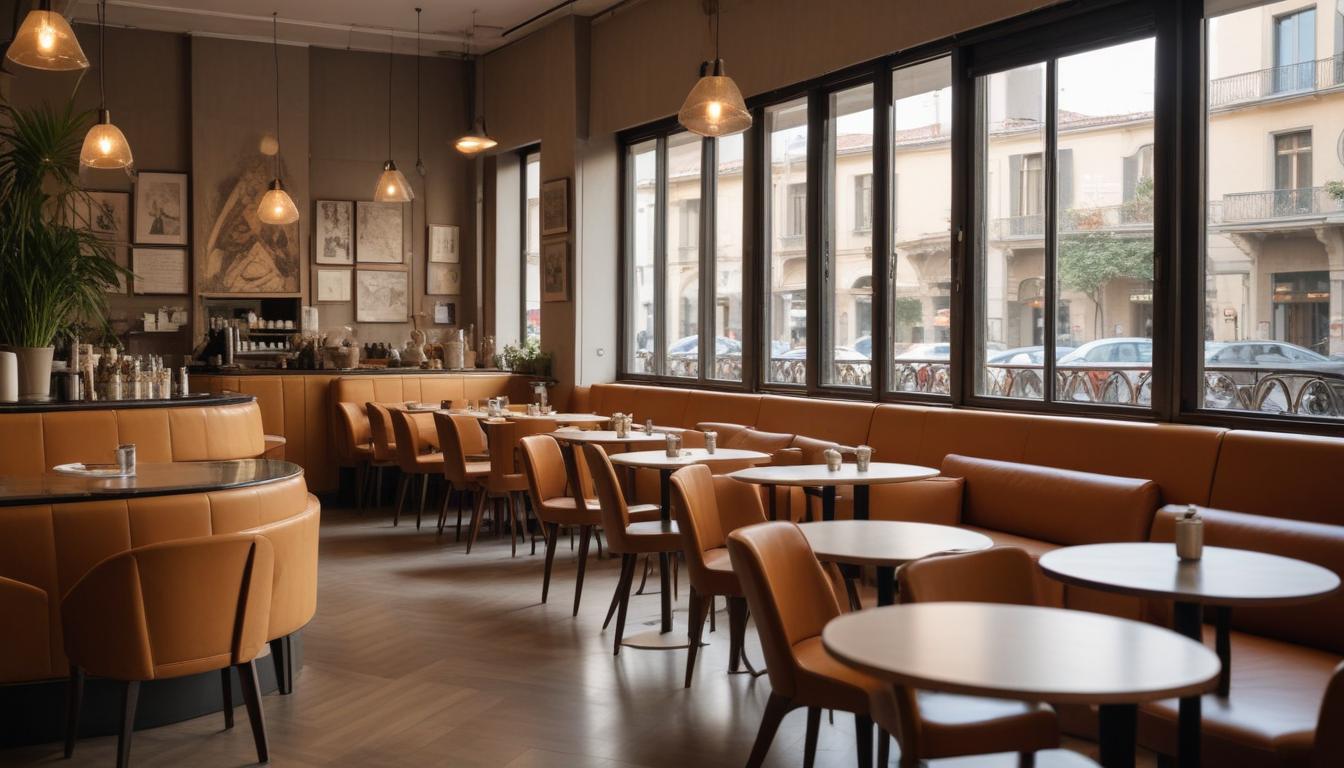
Walk into any bar in Milan's Navigli district on a Friday evening and you'll notice something beyond the Instagram-perfect backlit bottles and craft cocktails. There's an intentionality in how conversations flow, a warmth in how regulars are greeted, a sense that you've entered someone's carefully curated space rather than a corporate machine designed to separate you from €14 per drink.
This is the real Milan nightlife story—one written not by venues themselves, but by the individuals who've chosen to build careers and communities within them. According to Milano Bartender Association data, the city's cocktail bar sector has grown by 31% since 2020, but most bartenders here will tell you numbers miss the point entirely. What matters is the handshake, the remembered order, the conversation that begins at 11 p.m. and somehow transforms into genuine friendship by midnight.
In Brera, where narrow streets feed into intimate aperitivo scenes, independent bar owners have become unofficial neighbourhood historians. They know which regular is celebrating a promotion, which couple just met last month, which group of creatives from the nearby Accademia di Belle Arti needs a corner table for brainstorming. The average aperitivo costs €8-12 with complimentary snacks—standards that haven't inflated dramatically because these aren't venue owners chasing maximum extraction. They're stakeholders in their community's fabric.
The nightlife renaissance along Corso Como and in the Porta Venezia quarter reflects something distinctly Milanese: sophistication without pretension, quality without gatekeeping. Professional mixologists train extensively—Milan has become a serious hub for bartending education—yet the best ones treat their craft as hospitality first, performance second. They remember if you prefer your Negroni slightly warmer. They notice when someone seems to need conversation more than alcohol.
What's often overlooked in Milan's nightlife conversation is how multigenerational and economically diverse these spaces remain. You'll find construction workers sharing tables with fashion executives, students debating philosophy alongside retirees who've inhabited the same barstool for thirty years. This democratization doesn't happen by accident—it's maintained by staff who actively welcome rather than filter.
As economic uncertainty and global instability make headlines worldwide, Milan's bars have become something more essential: third spaces where people from different worlds intersect, where the ritual of gathering matters as much as what's being consumed. The city's nightlife isn't thriving because of trendy playlists or designer interiors. It's thriving because someone decided their job was about creating belonging.
That's the real Milan story. And it's worth every euro you spend.
This article was compiled by AI from the sources linked above and screened before publishing. See our editorial standards.
How does this story make you feel?
Spread the word
About this article
Published by The Daily Milan
Daily brief
Free, in your inbox before 7am. Weekdays.
More in lifestyle