Beyond the Duomo: What Makes Milan's Neighbourhoods the City's Real Soul
A weekend guide to discovering the distinct character and tight-knit communities that define life in Milan's most vibrant quarters.
A weekend guide to discovering the distinct character and tight-knit communities that define life in Milan's most vibrant quarters.
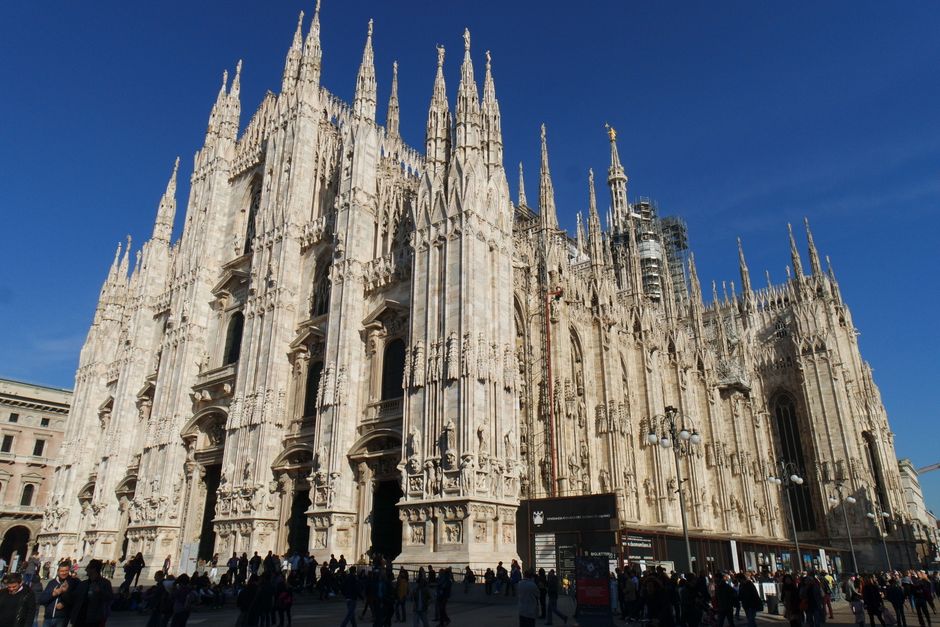
Milan's global reputation rests on fashion weeks and architectural grandeur, yet the city's true character emerges in its neighbourhoods—places where locals spend their weekends and where community rhythms pulse beneath the tourist-heavy centre.
Take Navigli, the canal district south of the city centre, where Saturday mornings see families browsing the antique markets along Via Alzaia Naviglio Grande. The neighbourhood's identity centres on its restored Lombard waterways; residents have cultivated a bohemian atmosphere that attracts creative professionals and young families alike. A coffee at one of the independent cafés costs around €1.80, while weekend brunch spots charge €12–18 per person. The vibe here is decidedly anti-chain: small galleries, vintage bookshops, and family-run trattorie dominate rather than international brands.
Meanwhile, Brera—Milan's artistic heart since the 18th century—offers a different community texture. The Accademia di Brera anchors cultural life here, and on weekend afternoons, the neighbourhood's narrow streets fill with art students, established painters, and collectors browsing galleries concentrated around Via Brera and Via Formentini. The Brera Art Museum draws 400,000 visitors annually, yet locals treat weekend visits as meditative experiences rather than tourist activities. The neighbourhood's café culture reflects this: quiet corners where regulars read for hours, and where a spritz costs €4–5.
Northeast, the Isola neighbourhood represents Milan's most recent transformation. Once industrial, it's now home to young professionals and families drawn by lower rents and emerging community spaces. The street art scene here—particularly around Via Torino and surrounding laneways—reflects genuine neighbourhood expression rather than commissioned installations. Weekend foot traffic centres on independent shops, co-working spaces doubling as social hubs, and the neighbourhood's growing roster of ethical fashion boutiques.
Sant'Ambrogio, home to Milan's ancient basilica, carries deep historical resonance. Weekend visits here feel contemplative; locals frequent the neighbourhood's small museums and religious sites with quiet reverence, then gather at trattorias where €15–20 buys authentic Milanese cuisine. The neighbourhood's character remains fundamentally tied to its religious and historical significance—something that shapes how residents and visitors experience weekends here.
What unites these distinct neighbourhoods is their resistance to homogenisation. Each maintains distinct identity markers—architectural styles, commercial makeup, demographic composition—that shape how weekends feel. This fragmentation is precisely what makes Milan fascinating: not one city centre, but multiple communities with their own leisure rhythms, price points, and unwritten social codes that weekend explorers gradually discover.
This article was compiled by AI from the sources linked above and screened before publishing. See our editorial standards.
How does this story make you feel?
Spread the word
About this article
Published by The Daily Milan
Daily brief
Free, in your inbox before 7am. Weekdays.
More in lifestyle