Raising Kids in Milan: What Parents Actually Do (And Honestly Wish They'd Known)
We asked real Milanese families about schools, neighbourhoods, and the daily juggle—here's what works and what doesn't.
We asked real Milanese families about schools, neighbourhoods, and the daily juggle—here's what works and what doesn't.
Milan's reputation as a high-octane fashion and finance hub can intimidate parents considering a move here—or those already navigating the city with children. But talk to families actually raising kids in Navigli, Brera, or further out in Città Studi, and a more nuanced picture emerges: one of excellent schools, surprising affordability pockets, and a city learning to slow down for families.
The school choice debate dominates Milan parent circles. Public schools in neighbourhoods like Porta Vittoria and Quadronno maintain strong academic records, though the sistema integrato—a mixed public-private funding model—varies considerably by district. Many locals recommend researching specific primary schools rather than relying on neighbourhood reputation alone. Private institutions cluster around Corso Magenta and the Zona 9 area, with fees ranging from €4,000 to €15,000 annually, but parents consistently note that public options often rival them academically at a fraction of the cost.
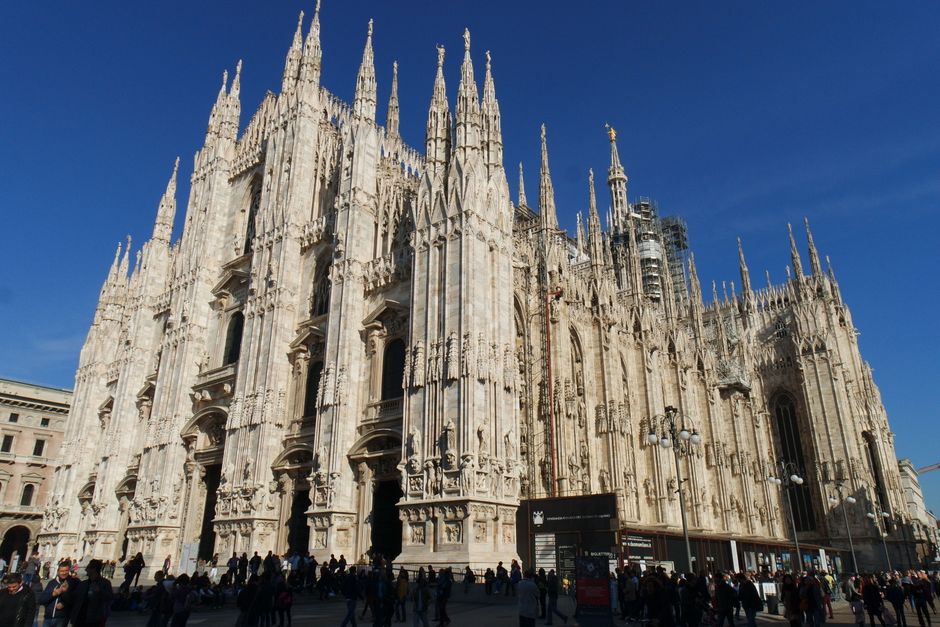
Commute management shapes daily life more than most newcomers anticipate. Families in Zona 5 (San Siro area) praise the neighbourhood's green spaces and relatively affordable rents—often €200-300 less monthly than central zones—but acknowledge the metro dependency. The MM5 lilac line has improved connectivity considerably since its 2023 expansion. Smart parents factor in school location before choosing neighbourhoods, rather than romanticizing proximity to the Duomo.
Navigli remains a magnet for young families, despite rising costs. The canal-side parks offer genuine respite, and the Saturday morning markets on Ripa di Porta Ticinese provide affordable fresh produce and community connection. But rents here have climbed 18-22% in five years, according to recent local data.
Childcare logistics require early planning. Milan's asili nidi (nurseries) accept applications through a municipal lottery system; waitlists frequently extend six months. Private alternatives run €600-900 monthly. Summer care is particularly competitive—booking holiday programmes at venues like the Civico Acquario or Monumental Cemetery educational programmes happens by April.
One consistent recommendation from experienced local parents: embrace the city's rhythm rather than fight it. Long lunches do happen. Afternoon passeggiata (evening stroll) culture still thrives, especially in neighbourhoods like Porta Romana and around Parco Sempione. Schools close for two weeks at Easter and throughout August, which aligns with broader city rhythms—not a bug for families willing to adjust their expectations.
The honest consensus? Milan works brilliantly for families who value education, cultural access, and efficient public infrastructure, but only if you pick your neighbourhood strategically and resist comparing your experience to Instagram-filtered versions of parenting elsewhere.
This article was compiled by AI from the sources linked above and screened before publishing. See our editorial standards.
How does this story make you feel?
Spread the word
About this article
Published by The Daily Milan
Daily brief
Free, in your inbox before 7am. Weekdays.
More in lifestyle