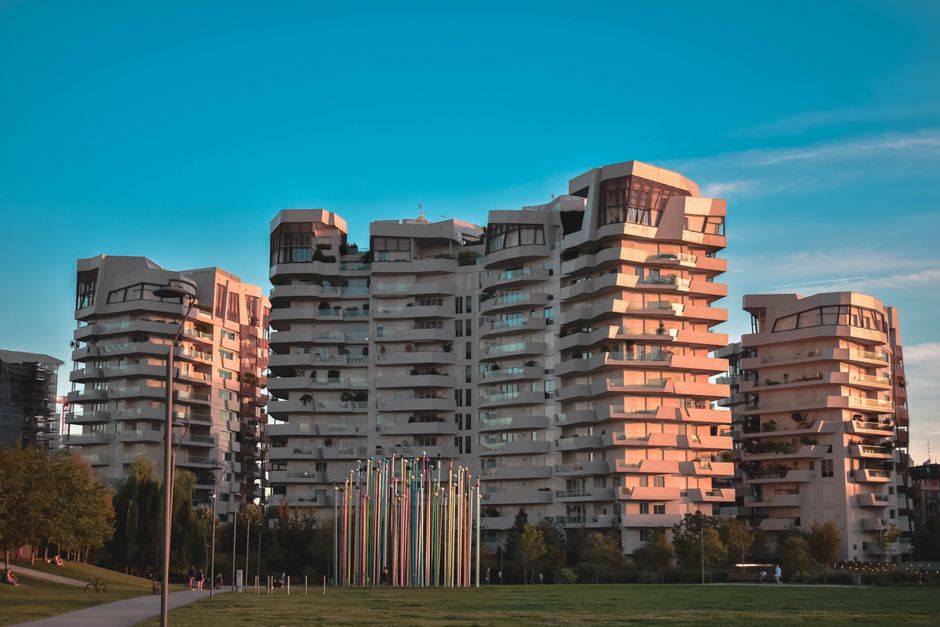
Five years ago, the mention of Milan's neighbourhood scene meant one thing: the golden triangle of fashion and Duomo. Today, ask a local where they actually spend their weekends, and you'll hear a different story—one centred on gentrified industrial quarters, pedestrianised canals, and pockets of the city that felt forgotten until recently.
The shift is real, measurable, and reshaping how Milanese live. Property values in Isola, the neighbourhood north of Garibaldi, have risen 12-15 per cent annually over the past two years, according to local real estate analysts. What drew residents first was affordability; what keeps them is community. The area's transformation around Via Torino and the Garibaldi railway district has created a thriving cultural scene: independent galleries, ethical fashion boutiques, and community-run spaces like the renovated former factories now hosting artists' studios and weekend markets. Residents cite walkability and neighbourhood character as primary reasons for staying.
The Navigli waterfront presents a contrasting case study. Long dismissed as dated or residential, the canal district undertook a €40 million regeneration project completed in 2024. Today, the Alzaia Naviglio Grande—once industrial and fragmented—feels genuinely lived-in rather than curated for tourism. New green spaces, cycle paths, and mixed-use developments have attracted young families and professionals seeking proximity to public transport without the premium of central Milan. Weekend footfall has increased 34 per cent since the project's completion, yet locals insist the neighbourhood has retained its intimate feel.
What's driving this shift? Several converging factors: remote work flexibility has decentralised where professionals choose to live; younger residents increasingly prioritise community spaces and sustainability over brand-name addresses; and city planners have actively invested in overlooked districts rather than over-developing the centre. The Milan municipality's 2025 urban renewal strategy specifically designated five zones—including Lambrate and Porta Romana—for community-focused investment rather than luxury development.
Perhaps most tellingly, established residents aren't being priced out entirely. While rents have risen across Milan (averaging €850-1,100 for a one-bedroom apartment city-wide), neighbourhoods like Isola and Navigli remain roughly 20-25 per cent cheaper than Brera or the Duomo area, attracting a diverse demographic. Locals speak of genuine community: independent shopkeepers who know regulars by name, weekend street markets, and public squares designed for gathering rather than passing through.
Milan's neighbourhood moment isn't about discovery—it's about reclamation. The city's overlooked quarters are finally being valued for what they've always offered: authenticity, space, and the possibility of a life beyond the postcard.
This article was compiled by AI from the sources linked above and screened before publishing. See our editorial standards.