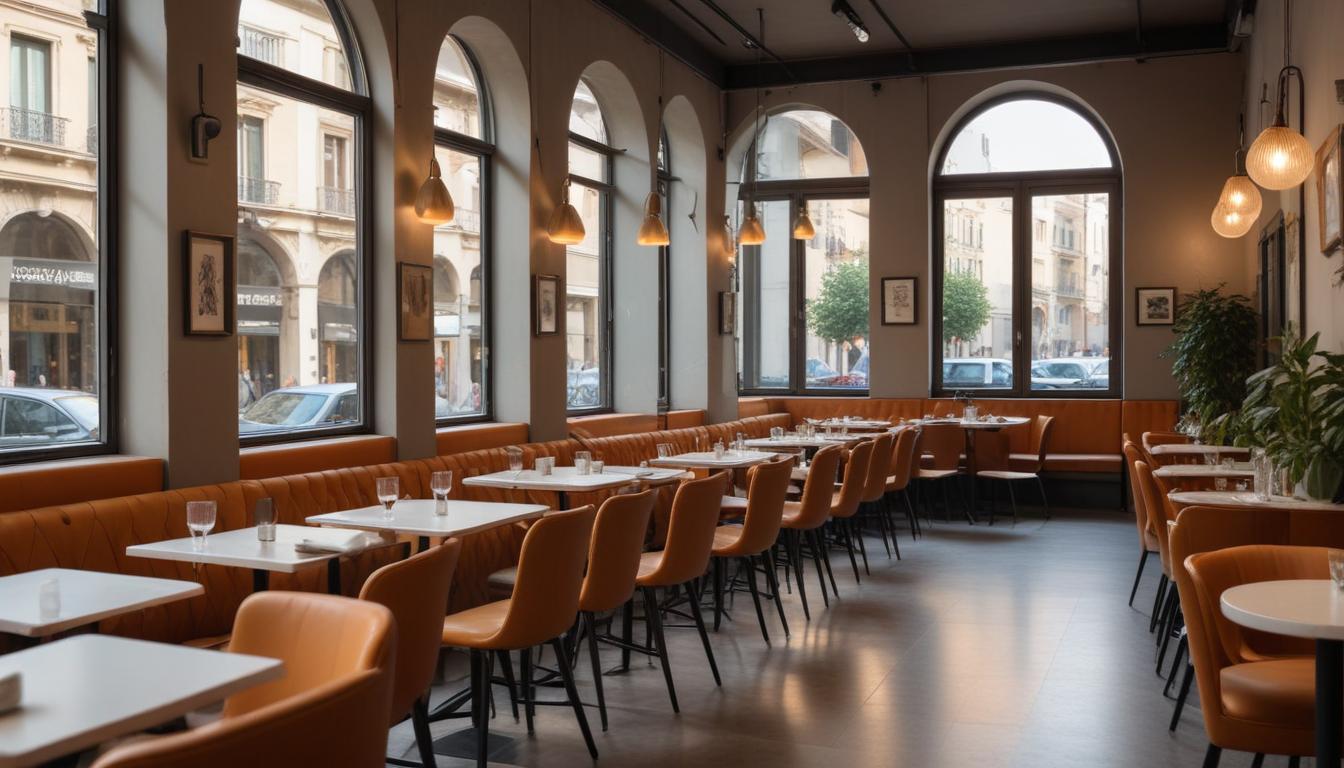
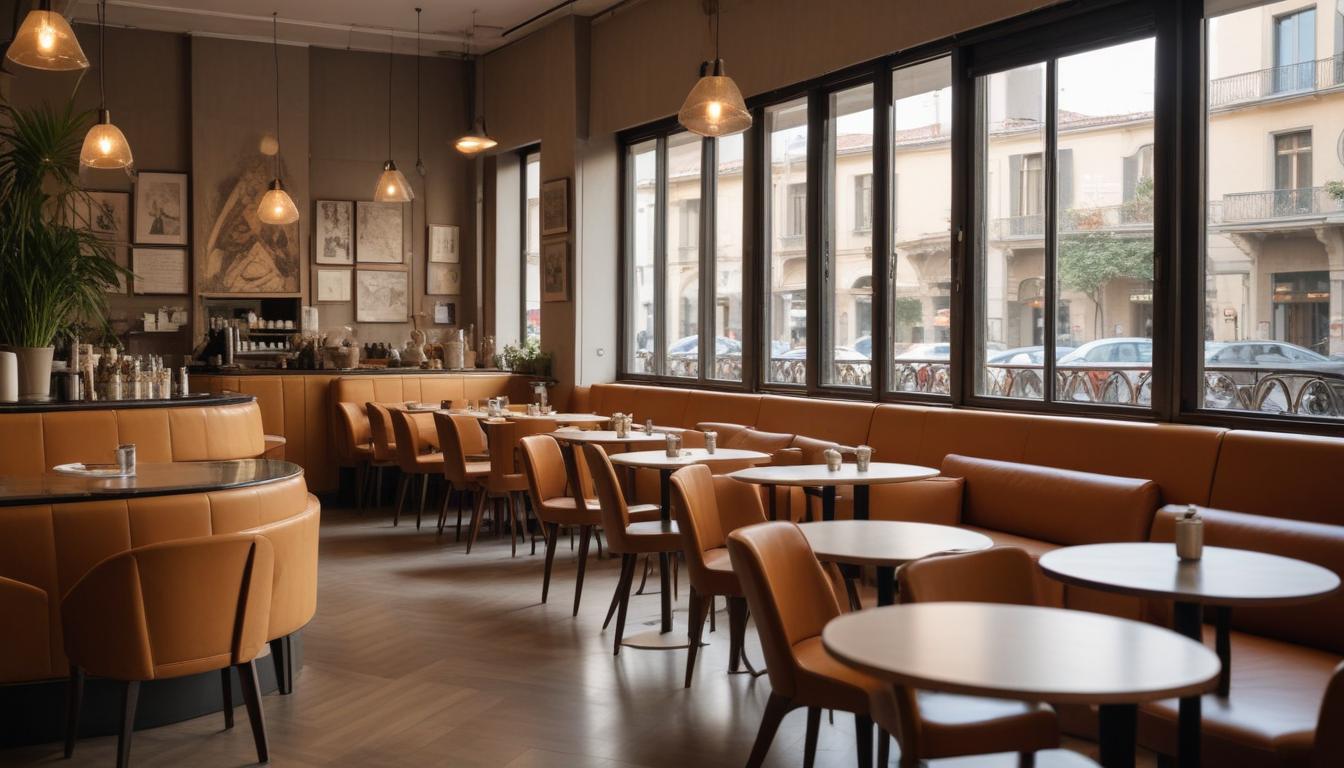
Walk along the Naviglio Grande on a Saturday morning in 2026, and you'll notice something markedly different from five years ago: families outnumber twenty-somethings at the outdoor tables. Children pedal balance bikes along the towpath. Parents gather in clusters outside newly opened family-focused venues, comparing school options with the intensity Milanese once reserved for fashion weeks.
The transformation of Navigli reflects a broader shift in how Milan's parents—particularly affluent professionals in their thirties and forties—are reimagining urban family life. The neighbourhood, long celebrated for its nightlife and artistic cachet, is experiencing a parallel evolution driven by rising rents in traditionally family-friendly zones like Brera and demand for something different: walkability combined with sophistication.
"We've seen a 40 percent increase in family-oriented bookings at our venues since 2024," says Marco Rizzi, who oversees several establishments along Vicolo dei Lavandai. This shift correlates with school enrollment patterns; applications to Navigli's international and bilingual schools have grown substantially, with waiting lists now extending into the following academic year.
Much of this change reflects Milan's broader educational landscape evolution. Families increasingly seek alternatives to traditional Italian schooling, with English-language immersion programmes at schools like those near Porta Ticinese attracting expatriates and ambitious Italian parents alike. Monthly fees typically range from €8,000 to €15,000 annually, a significant investment that signals how seriously Milan's professional class takes childhood education.
The infrastructure supporting this demographic has grown accordingly. Supplementary learning centres—offering everything from Mandarin classes to coding workshops—have proliferated along Via Casale and surrounding streets. Weekend markets have been redesigned with dedicated play areas. Playground renovations near the Darsena now include age-segregated zones, reflecting contemporary parenting anxieties.
Yet this evolution raises questions about authenticity. Long-time residents express concern that Navigli's gritty artistic identity—the neighbourhood that attracted writers, painters, and musicians throughout the twentieth century—risks being sanitized into another affluent enclave. Several independent galleries have closed; rents for commercial spaces have doubled.
The reality, however, is more nuanced. Navigli isn't abandoning its creative roots so much as integrating them into family life. Contemporary art galleries increasingly host child-friendly hours. Music venues now offer afternoon performances. The neighbourhood is becoming a place where sophisticated parents don't sacrifice their lifestyle; they simply expand it to accommodate their children.
For now, Navigli represents Milan's attempt to answer a persistent question: can a historic neighbourhood remain culturally vital while becoming genuinely family-friendly? The answer, emerging from these canal-side streets, appears to be yes—provided the change happens thoughtfully enough to preserve what made it worth moving to in the first place.
This article was compiled by AI from the sources linked above and screened before publishing. See our editorial standards.