Where Milan Breathes: How the City's Neighbourhood Parks Define Community Soul
From Sempione to Monumental, Milan's green spaces reveal the distinct character and social fabric of the neighbourhoods that surround them.
From Sempione to Monumental, Milan's green spaces reveal the distinct character and social fabric of the neighbourhoods that surround them.
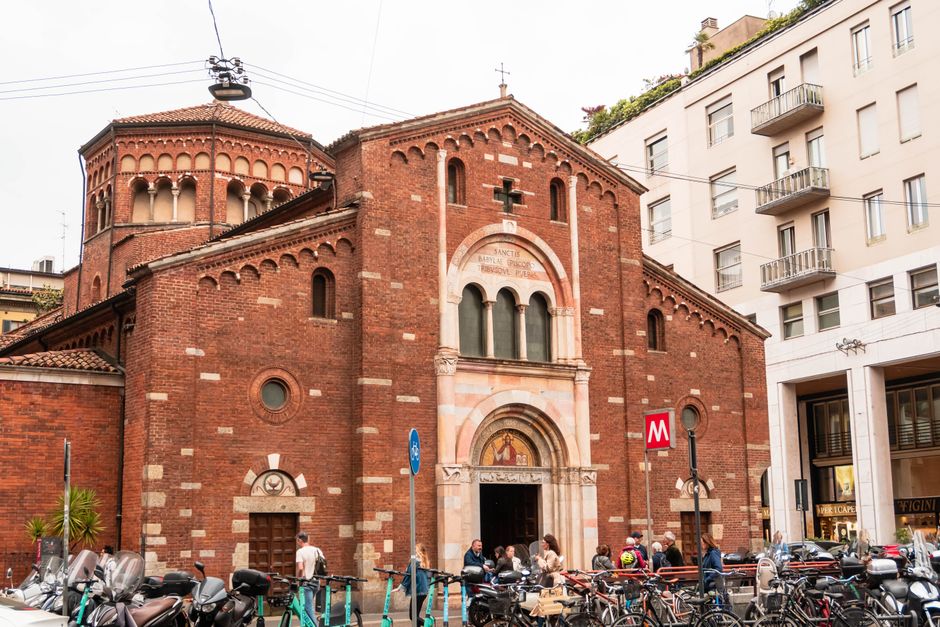
On a June afternoon in Parco Sempione, the city's lungs expand visibly. Families sprawl across manicured lawns near the Arco della Pace, while joggers circuit the perimeter and clusters of university students claim benches in the dappled shade. This 86-hectare expanse isn't merely green space—it's a mirror reflecting the cosmopolitan, aspirational character of the surrounding Brera and Castello districts.
"Parks in Milan aren't afterthoughts," explains the ethos embedded in how residents inhabit these spaces. Each neighbourhood green has developed its own unmistakable personality, shaped by the communities that claim them daily.
Head southeast to Porta Venezia, where Giardini Pubblici Indro Montanelli offers a distinctly more intimate vibe. Here, the professional crowd—design industry workers, architects, media professionals—mingles with pensioners and young families. The €12 entrance fee for non-residents underscores Milan's evolved approach to park maintenance, with the revenue funding recent renovations that have drawn young professionals seeking respite between office hours in the nearby Quadrilatero d'Oro. The botanical gardens within its boundaries attract serious plant enthusiasts; on weekends, conversations turn horticultural, dense with Italian plant nomenclature.
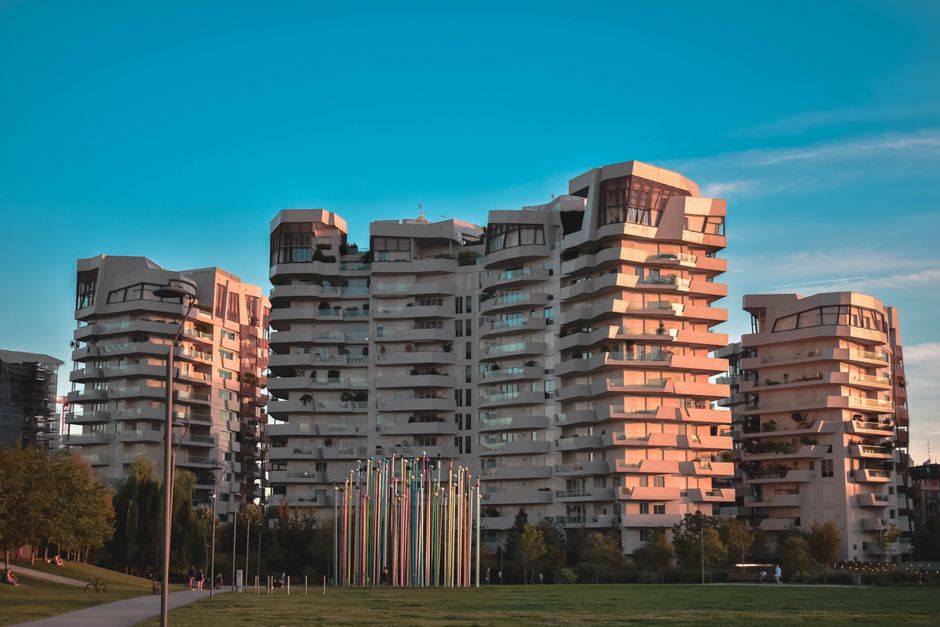
Meanwhile, Parco Monumental in the northwest tells a different story. Opened in phases since 2014 and now sprawling across 47 hectares, it's become the neighbourhood equaliser—where Milan's working-class consciousness still breathes. Families from the surrounding residential areas treat it as an extension of home, with barbecue zones (€15 reservation) filled with multigenerational gatherings. The Bosco Verticale, Milan's symbol of vertical greening, looms nearby, yet the park maintains working-class authenticity.
What's striking is how these spaces facilitate genuine community. At Parco Lambro, which winds through Lambrate, the creative class has established roots—young artists and designers occupy studios in nearby converting warehouses, and the park has become their informal meeting ground. Summer concerts draw crowds of 3,000-plus, creating something essential: shared cultural moments in an expensive city where €1,800 monthly rents push many to the periphery.
Milan's public administration has invested significantly—€2.3 million in park improvements across 2024-2025—yet the real value isn't quantifiable. These green spaces compress Milan's contradictions into tangible form: global ambition meeting neighbourhood belonging, expensive real estate adjacent to democratic gathering spots, professional hustle tempered by communal slowness.
The parks don't soften Milan's edges so much as reveal them honestly. They're where the city's actual character—not its fashion-week persona—comes into focus.
This article was compiled by AI from the sources linked above and screened before publishing. See our editorial standards.
How does this story make you feel?
Spread the word
About this article
Published by The Daily Milan
Daily brief
Free, in your inbox before 7am. Weekdays.
More in lifestyle