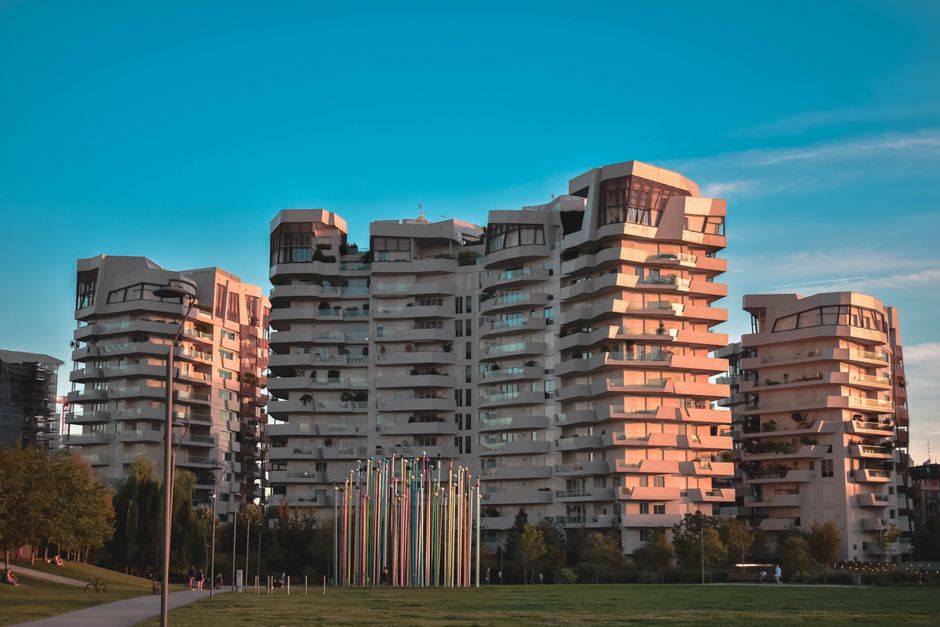
Walk through Isola these days and you'll struggle to recognise the neighbourhood that, just three years ago, felt caught between gentrification and abandonment. The completion of the Bosco Verticale extension and the opening of the new Fondazione Prada annexe in 2024 fundamentally shifted the district's energy. But what locals appreciate most isn't the glossy architecture—it's how the neighbourhood has managed to stay authentically Milan. Independent bookshops like Libreria Covcovaria still thrive alongside new concept galleries, rents have stabilised at around €1,800 for a two-bedroom (down from the speculative peaks of 2023), and the community has actually had a say in what happens here.
"The real change is that people chose to stay," explains the philosophy behind the district's recent community charter, which prioritised local business retention alongside development. Family-run restaurants on Via Torino continue to operate, while younger creatives have genuinely integrated rather than replaced existing residents. This balance is precisely what eluded Milan in previous cycles.
Over in Navigli, the transformation feels equally genuine but different in character. The canal-side district has undergone a quiet sustainability revolution. Six months ago, the municipality completed a sweeping upgrade of waterfront infrastructure, introducing permeable paving, native plant corridors, and reducing vehicular traffic by 40 percent during summer months. The number of independent cafés and wine bars has actually grown—not shrunk—because the slower pace of life makes small business economics work again. Aperitivo hour now feels less like performance and more like neighbourhood ritual.
What's changed most profoundly is how Milan's neighbourhoods are being shaped. For the first time in a decade, resident associations have genuine consultation power on new projects. The Ortica community cooperative, once fighting for survival, now co-manages three public spaces and runs the neighbourhood's most popular farmers market every Saturday. Participation in these collective initiatives has grown 35 percent year-on-year since the city reformed its community engagement model in 2024.
The financial reality matters too. While Milan remains expensive—median apartment prices around €7,500 per square metre—growth has flattened. This stability has allowed actual communities to form rather than constant speculation-driven churn. Young families who left five years ago are returning, drawn by schools, affordable restaurants, and the novel idea that their neighbourhood might actually feel like home rather than an investment portfolio.
Milan isn't becoming cheaper. But it's becoming liveable again, on local terms.
This article was compiled by AI from the sources linked above and screened before publishing. See our editorial standards.