Your Essential Map to Milan's Evolving Bar Scene: A Resident's Guide to Summer Nights Done Right
From Navigli's waterside terraces to Corso Como's cocktail dens, here's how to navigate the city's social hotspots like a local.
From Navigli's waterside terraces to Corso Como's cocktail dens, here's how to navigate the city's social hotspots like a local.
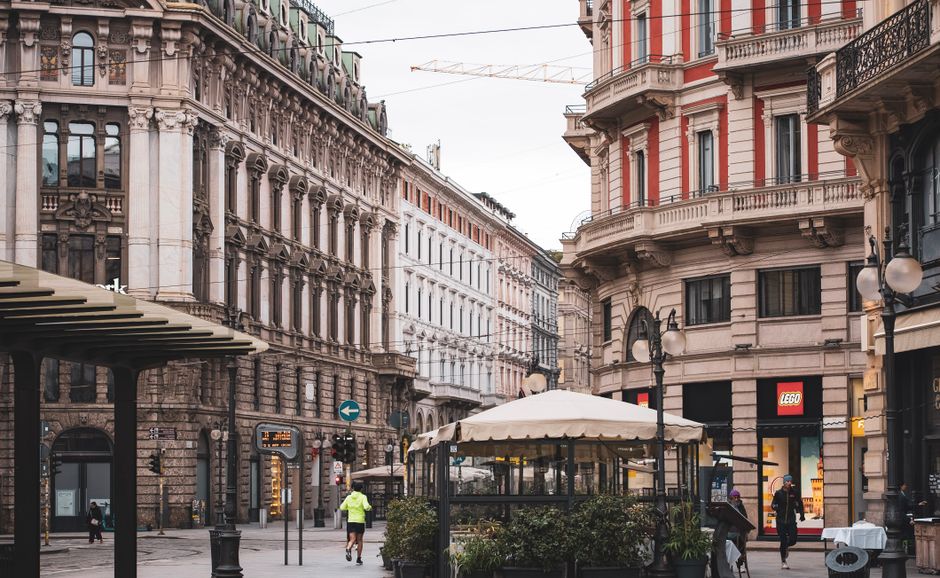
Milan's nightlife landscape has shifted noticeably over the past eighteen months. The post-pandemic appetite for social gathering remains strong, but residents increasingly seek venues that balance vibrant atmosphere with genuine neighbourhood character. Whether you're new to the city or rediscovering its social fabric, understanding the geography of Milan's bar scene is essential.
Start with the Navigli district, where the Darsena area continues its transformation into a focal point for evening leisure. The canal-side promenades from Via Ascanio Sforza through to Ripa di Porta Ticinese host dozens of bars ranging from casual aperitivo spots (expect €8-12 for a Negroni or spritz) to more refined cocktail venues. Weekends draw crowds by 9pm, so arrive earlier for breathing room. The neighbourhood's strength lies in its walkability—you can hop between venues without exhausting yourself, and the water views provide a natural rhythm to an evening.
For a different energy, head north to Corso Como and the surrounding streets. This corridor has solidified itself as Milan's premium cocktail destination. Venues here typically charge €12-16 for mixed drinks, reflecting both ingredient quality and positioning. The area's architecture—sleek modern spaces alongside early-20th-century buildings—creates an aspirational but accessible atmosphere. Parking is challenging; use public transport or a scooter-sharing service.
Brera remains essential for residents seeking integrated bar-and-culture experiences. Smaller venues tucked along Via Brera and surrounding piazzas often host live music or DJ sets, particularly Thursday through Saturday. These spots maintain stronger community identity than larger commercial bars, and prices remain moderate (€7-10 for drinks). The neighbourhood's gallery density means bar culture here connects to broader cultural engagement.
Don't overlook Porta Nuova and the Garibaldi area, increasingly popular with younger professionals. This zone offers emerging venues prioritizing sustainability—many now feature lower-impact spirits selections and organic mixers. It's where Milan's bar culture is actively experimenting.
Practical advice: Download the Citymaps2Go or similar app to navigate Milan's grid; the city's logical street structure makes exploration manageable. Most bars operate until 2-3am on weekends. Credit cards are standard, though some smaller establishments prefer cash. Dress codes remain more formal than in northern European cities—avoid beachwear even in summer.
The social rhythm typically begins around 7-8pm with aperitivo culture, transitions to dinner around 9pm, and bar-focused activity peaks after 11pm. This staggered timing reflects Milan's lived experience, not tourist expectations. Lean into this rhythm, and you'll discover a nightlife scene that rewards patience with authenticity.
This article was compiled by AI from the sources linked above and screened before publishing. See our editorial standards.
How does this story make you feel?
Spread the word
About this article
Published by The Daily Milan
Daily brief
Free, in your inbox before 7am. Weekdays.
More in lifestyle