Where Milan Breathes: How the City's Parks Reveal the Soul of Each Neighbourhood
From Sempione's grand boulevards to Navigli's intimate gathering spots, green spaces are where Milan's diverse communities reveal their true character.
From Sempione's grand boulevards to Navigli's intimate gathering spots, green spaces are where Milan's diverse communities reveal their true character.
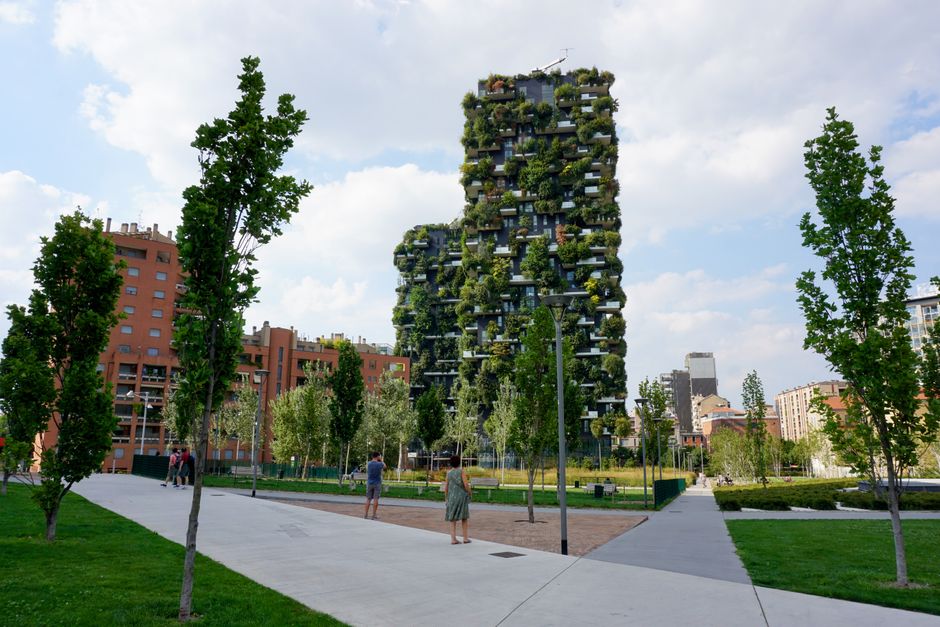
Milan's parks are not merely lungs for the city—they are mirrors reflecting the distinct personality of each neighbourhood. Walk through Parco Sempione on a summer evening, and you'll witness the refined elegance of a district where families in designer athleisure stroll alongside joggers in high-end trainers, while the Castello Sforzesco looms as a constant reminder of the area's historical grandeur. The park's 386 acres serve as the playground for Milano's Central and Nord communities, where €2,500-per-month apartments overlook manicured lawns.
Venture instead to the Navigli district, and the entire energy shifts. Here, the Darsena and surrounding waterfront parks pulse with a bohemian energy that feels worlds away from Sempione's polished formality. On weekend afternoons, picnicking students from Bocconi University mingle with local artists, vintage dealers, and young professionals sipping aperitivos at the water's edge. The neighbourhood's character—creative, accessible, unpretentious—is unmistakably encoded in how its green spaces function as social anchors rather than status symbols.
Then there's Parco Lambro in the Lambrate neighbourhood, where Milan's post-industrial reinvention becomes tangible. What was once a polluted riverbank has been transformed into a 7-kilometre corridor of mixed woodland and meadow, attracting a neighbourhood demographic defined by entrepreneurial energy and cultural diversity. Weekend cycling groups and international families have claimed this space, turning it into the city's most demographically mixed green refuge.
In Brera, the compact Orto Botanico serves barely 4.5 hectares, yet functions as the intellectual heart of a neighbourhood where art galleries, design studios, and literary cafés cluster nearby. The park's tight, curated botanical collections reflect the area's refined, knowledge-obsessed character—everything here is intentional, nothing is accidental.
What emerges across Milan's neighbourhoods is a consistent pattern: parks don't simply exist within communities; they crystallise and amplify their essence. Investment patterns tell the story too. Neighbourhoods like Cologno Monzese and Segrate, with developing park infrastructure and €1,200-1,600 monthly rents, are attracting young families seeking emerging character. Meanwhile, established parks in Navigli and Lambrate have become anchors for neighbourhood identity, with property values reflecting their cultural magnetism.
As Milan continues its post-pandemic reimagining, these green spaces have become something more than recreational amenities. They're the stages where neighbourhood identity performs itself daily—where you can read a community's values, aspirations, and character simply by observing who gathers, how they gather, and what they choose to do.
This article was compiled by AI from the sources linked above and screened before publishing. See our editorial standards.
How does this story make you feel?
Spread the word
About this article
Published by The Daily Milan
Daily brief
Free, in your inbox before 7am. Weekdays.
More in lifestyle