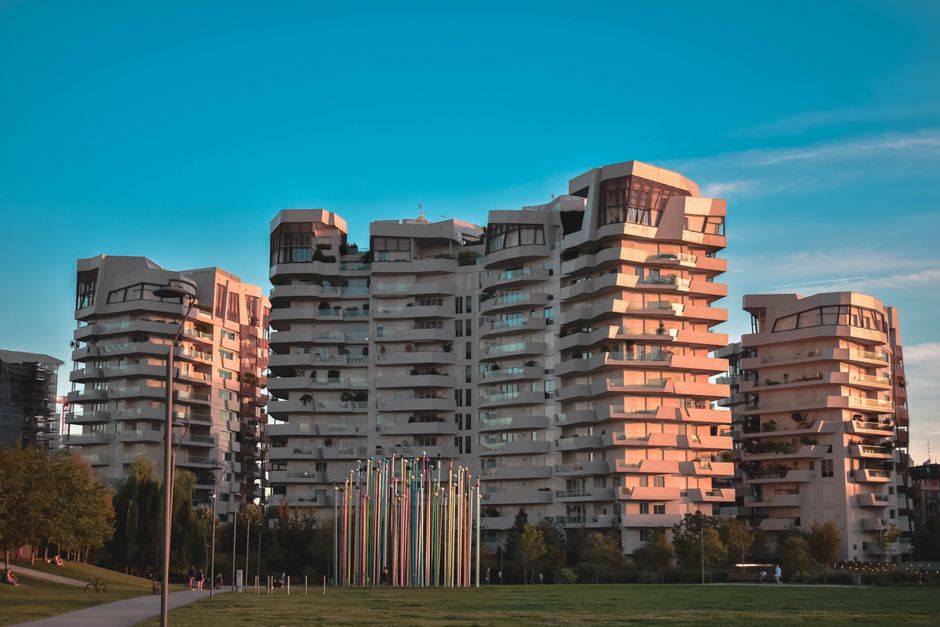
When expats land at Malpensa airport, many expect another glossy European capital. They quickly discover Milan operates by its own unwritten rules—a city that prioritises substance over spectacle, yet somehow achieves both.
Unlike London's sprawling diversity or Paris's museum-like preservation, Milan pulses with reinvention. The Navigli district embodies this perfectly: 15th-century canals restored not as heritage attractions but as living neighbourhoods where young professionals gather for €5 aperitivos. Walk from Via Torino's affordable fashion boutiques to Brera's gallery-lined streets, and you'll understand that Milan doesn't separate 'work' from 'lifestyle'—they're interwoven.
The numbers tell part of the story. Milan hosts over 1,400 multinational companies and generates roughly 10% of Italy's GDP despite representing just 1.6% of its population. International residents now comprise approximately 14% of the city's 1.3 million inhabitants—highest in Italy. Yet unlike other global hubs where expat communities cluster in designated zones, Milan's internationals integrate across neighbourhoods: Lambrate's creative studios blend with Isola's design ateliers, San Babila's corporate offices coexist with Navigli's student bars.
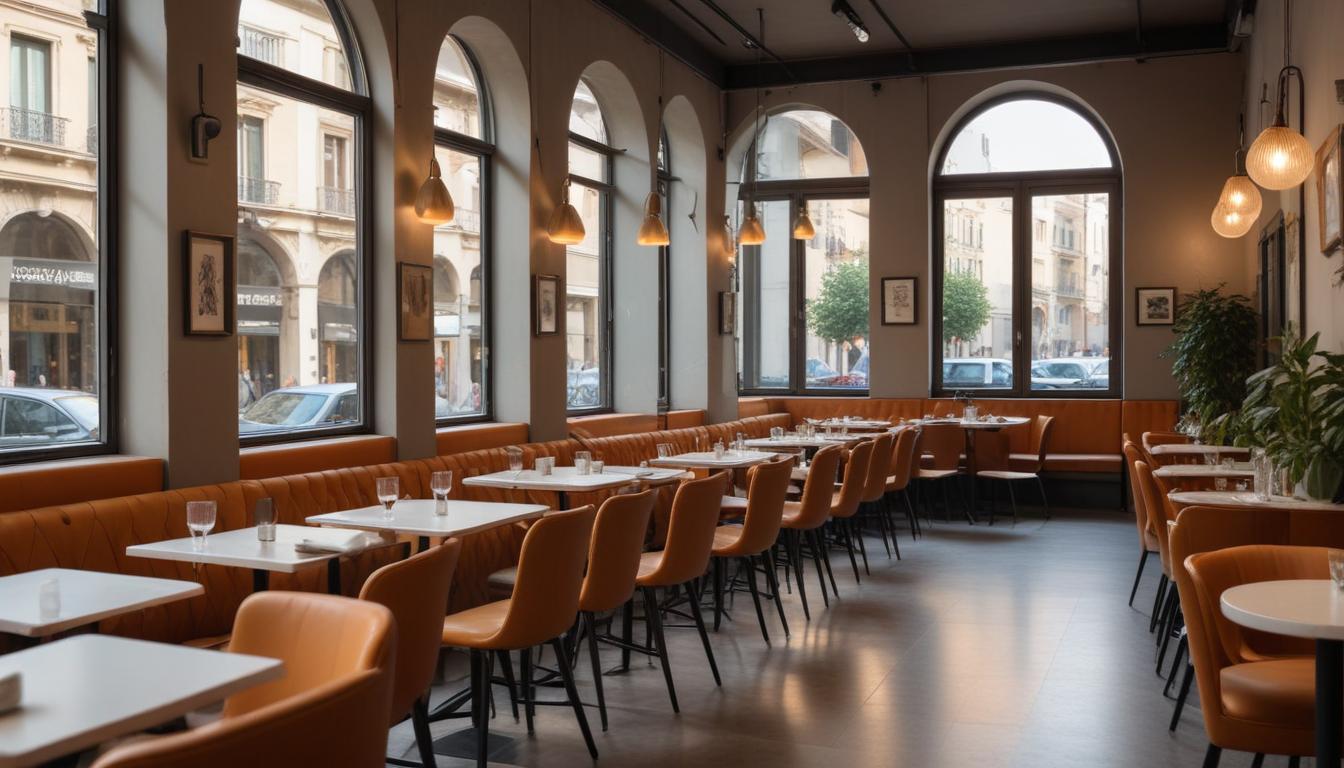
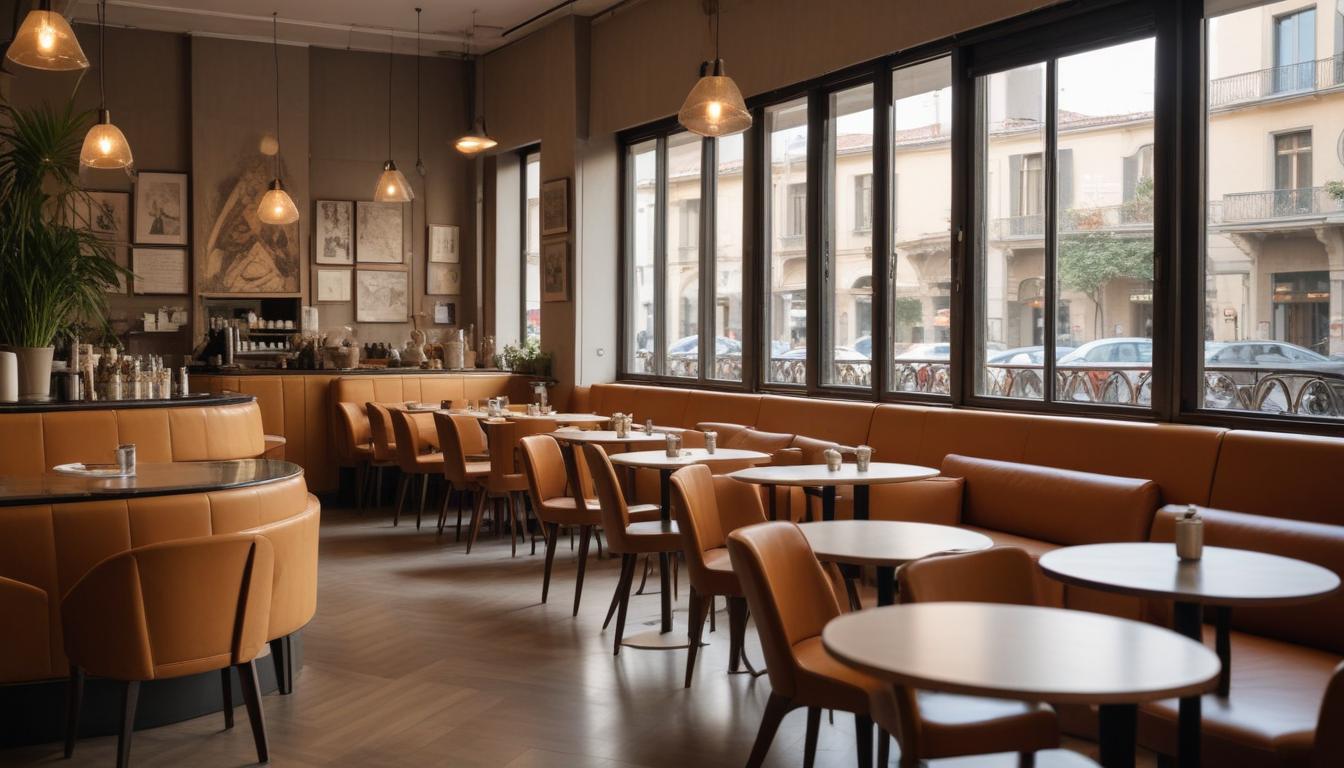
The cost-of-living distinction matters significantly. While London rents average £1,800 monthly for a one-bedroom apartment in central areas, Milan's similar neighbourhood costs €1,200-1,500. A cappuccino runs €1.10 at the counter, and dinner at a mid-range restaurant rarely exceeds €25. This affordability doesn't sacrifice quality—it reflects Milan's pragmatism.
What genuinely sets Milan apart is the cultural expectation around work-life integration. The famous 'aperitivo hour' (typically 6-8pm) isn't tourism—it's sacrosanct. Professional hierarchies flatten considerably during these moments. The city's fashion, design and finance sectors operate on relationship-first principles, meaning networking happens organically through genuine social engagement rather than formal events.
Transport efficiency matters too. The ATM metro system covers 101 kilometres across four lines, reaching most neighbourhoods within 15 minutes. Milan to Como takes 45 minutes by train—the Alps are accessible weekends. This proximity to both Alpine and Mediterranean regions means work-life boundaries feel less confined.
For newcomers, this uniqueness requires adjustment. Milan rewards those who embrace Italian directness, respect lunch-hour closures, and understand that 'efficiency' means cutting unnecessary formality, not accelerating pace artificially. It's a city where ambition meets simplicity, where €1 espresso sits across from €3,000 handbags, and where being international isn't exotic—it's simply part of the fabric.
That paradox—cosmopolitan yet distinctly itself—is what distinguishes Milan from every other city calling for global talent.
This article was compiled by AI from the sources linked above and screened before publishing. See our editorial standards.