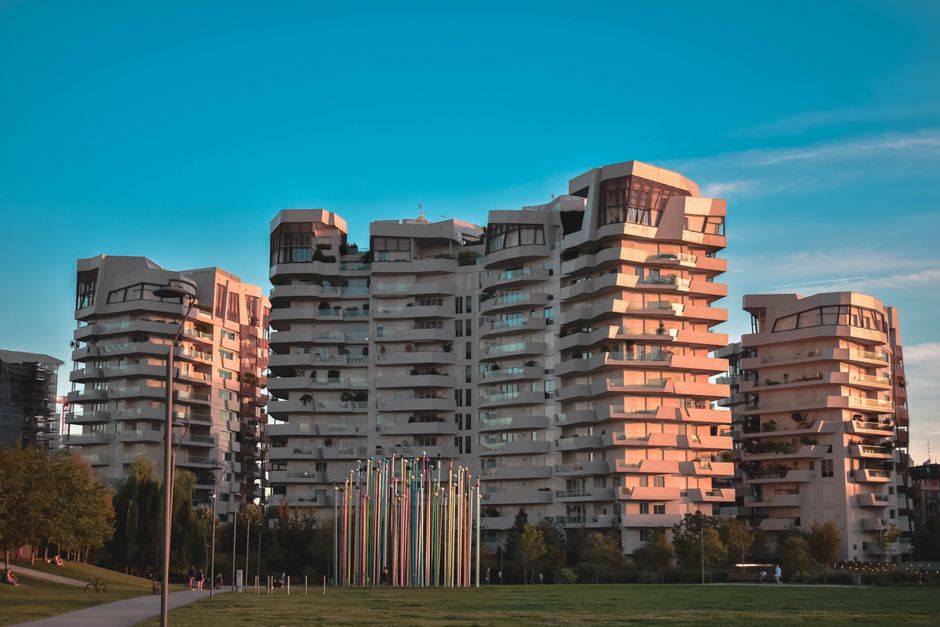
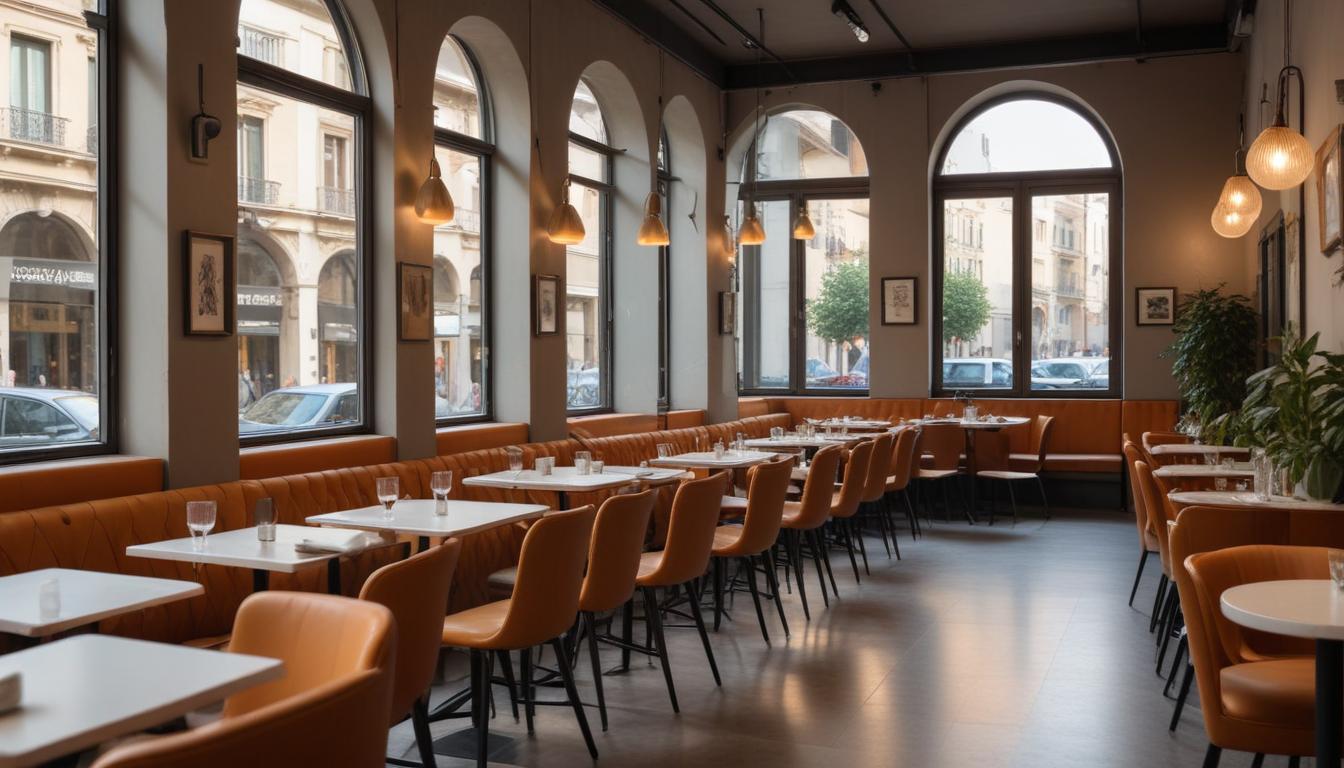
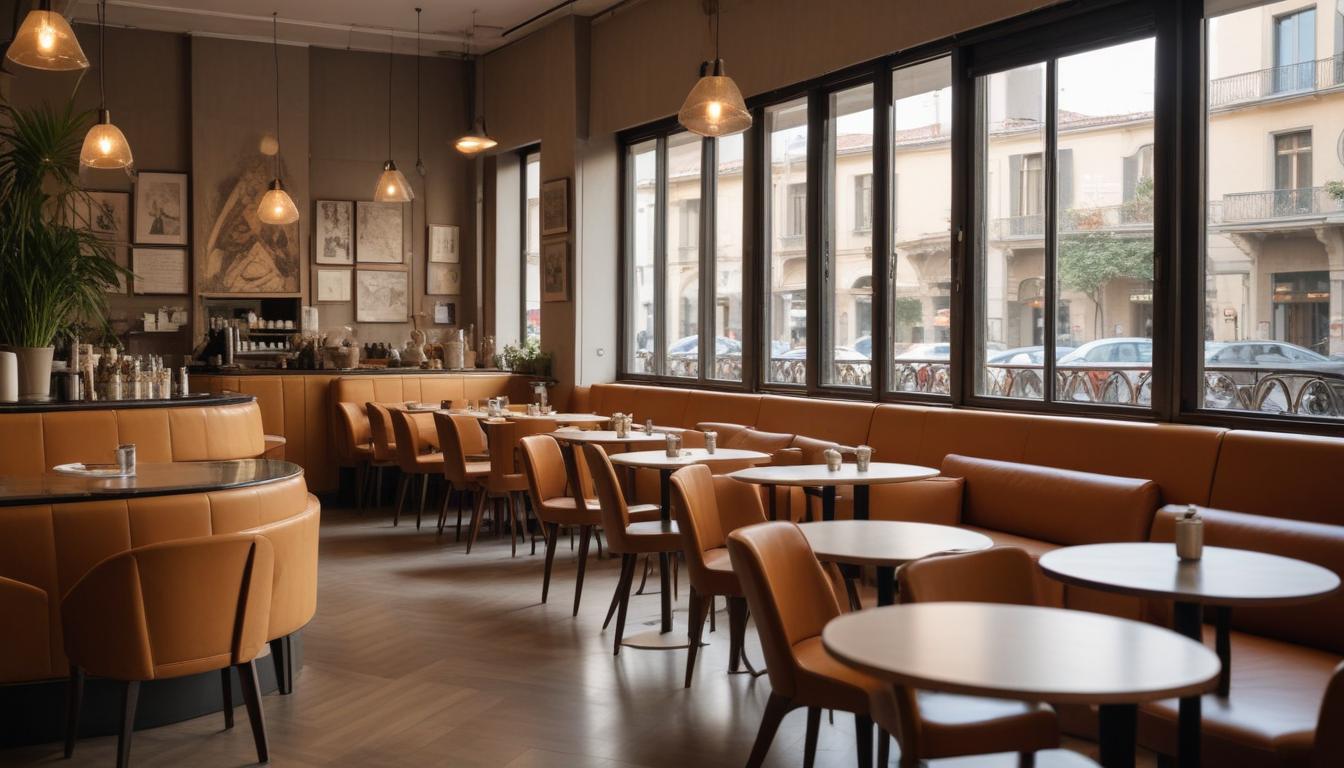
Milan Neighborhoods to Visit: Navigli, Brera & Beyond
Discover Milan's best local neighborhoods. From Navigli canal bars to Brera galleries, find affordable eats, weekend markets, and where real Milanese gather.
Discover Milan's best local neighborhoods. From Navigli canal bars to Brera galleries, find affordable eats, weekend markets, and where real Milanese gather.
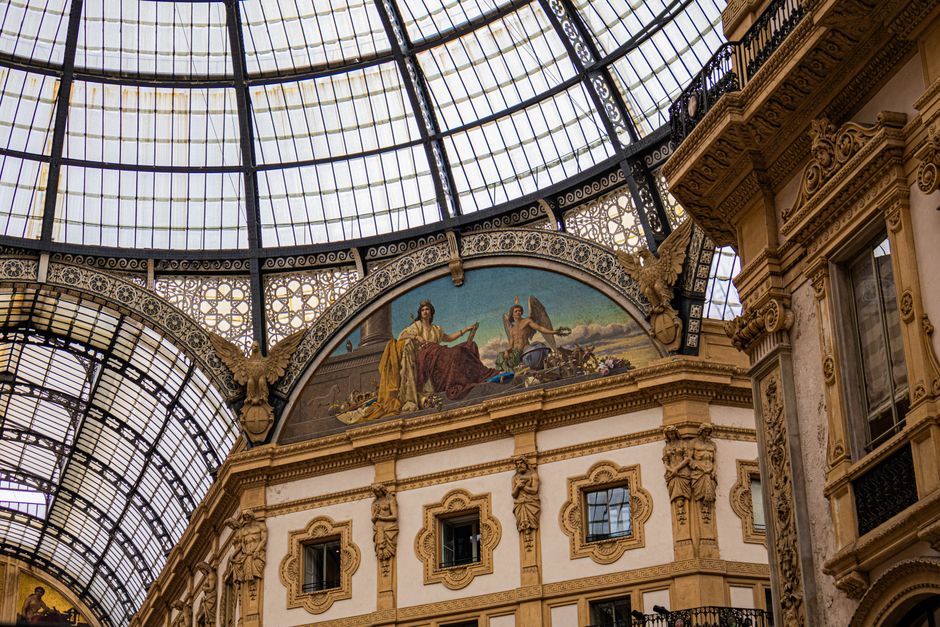
Milan's reputation as a fashion and business capital often overshadows what makes daily life here genuinely rewarding: accessible neighbourhoods where residents actually gather, eat well without breaking the bank, and build genuine community ties.
Start in Navigli, the canal district south of the city centre where locals converge at dusk. The Naviglio Grande and Naviglio Pavese run parallel to each other, lined with independent bars, bookshops, and vintage boutiques. A spritz and charcuterie board costs around €12-15 at most establishments here—significantly less than the Duomo area. Weekends see the district transform into an open-air market; Saturdays are best for vintage finds, Sundays for artisan goods.
Brera attracts a creative crowd without feeling contrived. Via Brera itself hosts the Pinacoteca di Brera (€12 entry), but the real neighbourhood magic unfolds in the surrounding backstreets. Osteria del Trmedallion serves excellent risotto milanese for €14, while the independent galleries around Via Fiori Chiari showcase emerging artists. The area's resident population—artists, students, young professionals—creates an authentically bohemian atmosphere that persists despite gentrification creeping in from nearby upscale streets.
Isola, just north of Brera, represents Milan's newer wave of neighbourhood revitalisation. Once industrial, it's now home to independent coffee roasters, concept stores, and affordable eateries. The Colonne di San Lorenzo nearby offer evening gathering space, while Via Torino's weekend street life provides genuine people-watching opportunities without performative tourism.
For practical integration, join local organisations. Milano Città Stato hosts monthly neighbourhood forums discussing everything from traffic management to cultural programming—genuine civic engagement, not tourist activities. Community gardens in Parco Sempione welcome volunteers; it's how locals meet locals.
Supermarkets matter too. Carrefour Express branches pepper residential zones, but neighbourhood ortofrutta (produce shops) on streets like Via Torino offer better quality fruit and genuinely lower prices—€2 for quality tomatoes versus €4 at chain stores.
The key to neighbourhood life here is timing and regularity. Italians build community through repetition: the same bar for morning espresso, the same market stall for vegetables, nodding recognition with shopkeepers. It sounds simple, but this rhythm—visiting Navigli on Tuesday evenings when it's quiet, knowing which Brera trattoria serves the best osso buco, recognising the flower vendor outside Isola's metro—transforms Milan from an intimidating metropolis into your actual home. That's where the real city reveals itself.
This article was compiled by AI from the sources linked above and screened before publishing. See our editorial standards.
How does this story make you feel?
Spread the word
About this article
Published by The Daily Milan
Daily brief
Free, in your inbox before 7am. Weekdays.
More in lifestyle