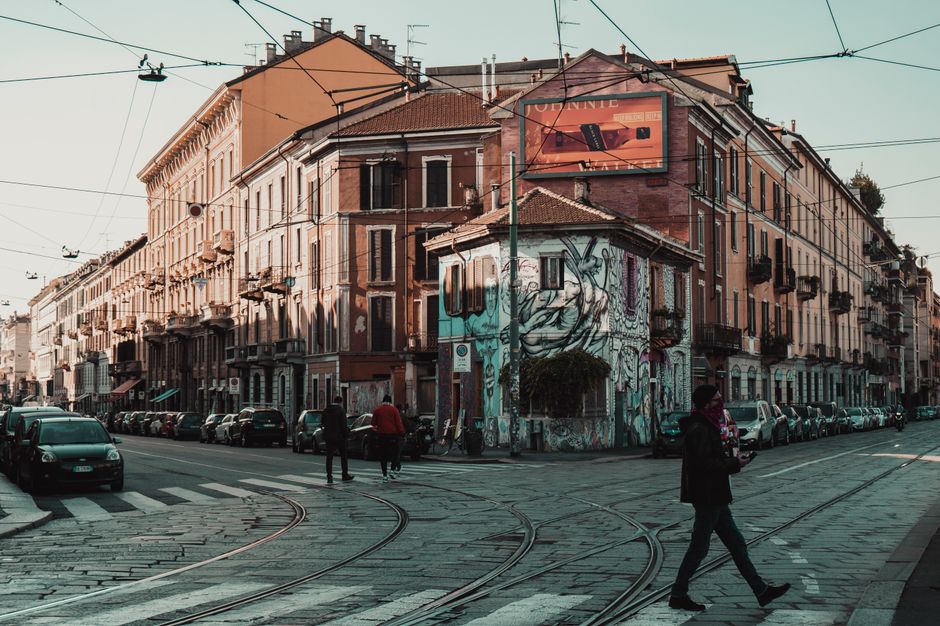
Walk along the Naviglio Grande on a Tuesday morning—not Saturday evening—and you'll glimpse what truly animates Milan's most celebrated neighbourhood. It's 10 a.m., and Maria's vegetable stall at the corner of Via Casale has already served a dozen regulars who greet her by name. The produce arrives daily from Lombardy farms within a 40-kilometre radius. This is Navigli's beating heart: hyperlocal, generational, stubbornly resistant to homogenisation.
The neighbourhood's 8,000 permanent residents—a figure that swells to treble during evening aperitivo hours—exist in two distinct rhythms. By day, it belongs to families, artisans, and longtime shopkeepers who've occupied these nineteenth-century palazzos for decades. Studio rents here average €650 monthly, making it more accessible than nearby Brera or the Quadrilatero, though gentrification pressures are undeniable. By night, it transforms into Milan's bohemian playground, yet something essential persists beneath the surface tourism.
The Associazione Navigli, founded in 1987, remains the neighbourhood's organisational backbone. They orchestrate everything from the June Canal Festival to monthly community clean-ups, maintaining a newsletter that feels genuinely indispensable to residents. Their office on Ripa di Porta Ticinese functions as an unofficial town square—a place where apartment disputes get mediated and neighbourhood initiatives germinate.
Cross into the quieter Via Magolfa spine, and you'll discover galleries and design studios sharing addresses with family-run trattorias that have served the same ribollita recipe since 1974. The Museo del Navigli, modest but meticulous, documents how these waterways literally built Renaissance Milan. Many residents visit once, then forget; locals visit repeatedly, discovering new details in the historical photographs.
What distinguishes Navigli isn't its aesthetic charm—many Milan neighbourhoods possess that. It's the stubborn persistence of genuine community infrastructure. The elderly accordion player who performs Friday evenings isn't a staged attraction; he's lived three blocks away for forty years. The experimental theatre space Teatro del Verme operates on volunteer energy. Residents still shop at independent fishmongers and butchers, not because it's fashionable, but because they've always done so.
This is neighbourhood character in its most authentic form: unglamorous, occasionally messy, resistant to neat narratives. Navigli works not because it's been curated for lifestyle consumption, but because its residents have collectively resisted the complete commodification of their streets. That tension—between preservation and progress—remains beautifully, frustratingly unresolved.
This article was compiled by AI from the sources linked above and screened before publishing. See our editorial standards.