Your Essential Guide to Milan's Best Markets: Where Residents Actually Shop
From vintage treasures in Navigli to fresh produce on Viale Papiniano, here's how to navigate Milan's retail landscape like a true local.
From vintage treasures in Navigli to fresh produce on Viale Papiniano, here's how to navigate Milan's retail landscape like a true local.
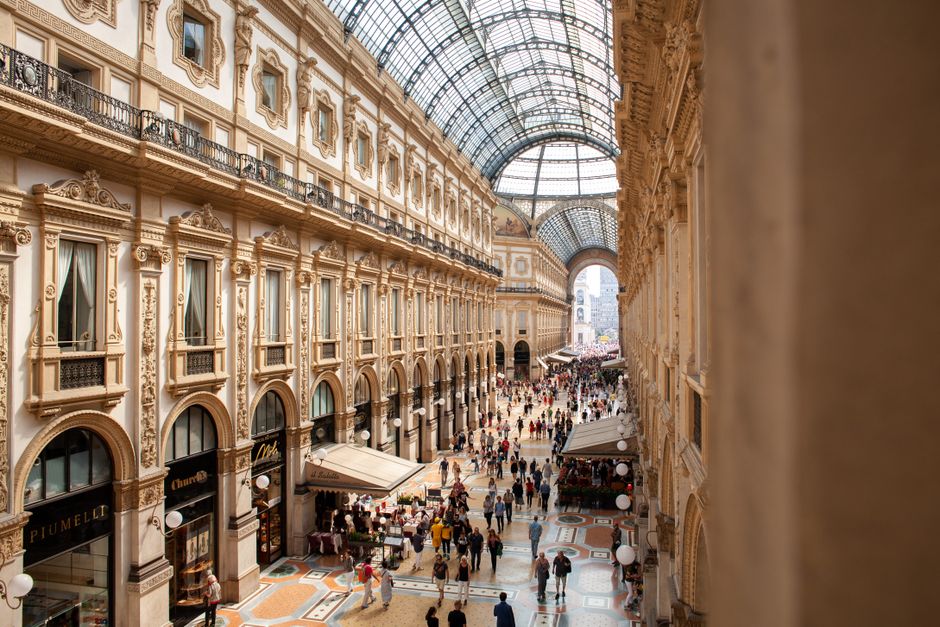
Milan's reputation for fashion and design often overshadows what locals know best: the city's thriving network of neighbourhood markets and independent retailers that define daily life here. Whether you're seeking affordable basics, artisanal finds, or seasonal produce, understanding where to shop—and when—transforms both your budget and your relationship with the city.
Start with the essentials. Viale Papiniano in Sant'Ambrogio remains Milan's largest open-air market for fresh produce, operating Tuesday through Saturday mornings. Expect competitive pricing on seasonal vegetables and fruits, typically 20–30% lower than supermarket chains. The market attracts everyone from home cooks to professional chefs, creating an energetic atmosphere that captures authentic Milanese commerce. Arrive early—by 10am, the best selections disappear.
For clothing and household goods at reasonable prices, head to Via San Marco or the sprawling market in Piazzale Lotto near the northern suburbs. These neighbourhood bazaars cater to residents rather than tourists, offering practical everyday items without the centro storico markup. Piazzale Lotto operates weekends and draws crowds seeking affordable fashion basics and home textiles.
The Navigli district has undergone significant transformation recently, but vintage and second-hand retailers along Via Ascanio Sforza still offer curated collections for those seeking sustainable fashion alternatives. Prices range from €15 for vintage basics to €80+ for designer pieces, with quality varying by shop. The weekend antique market (last Sunday of each month) remains a genuine treasure hunt for collectors.
Don't overlook Milan's covered markets—mercati coprti—which operate year-round with regulated stalls and consistent quality. Viale Abruzzi hosts one of the city's busiest covered markets, where fishmongers, butchers, and greengrocers maintain long-standing reputations. Prices here reflect quality rather than convenience premiums.
Strategic timing matters. Tuesday and Thursday mornings offer fresher stock before weekend crowds. Summer brings reduced hours as vendors take August breaks—plan accordingly. Many neighbourhood markets operate strictly morning-only, closing by noon.
Milan's retail evolution reflects broader trends: established markets adapting to online competition while residents increasingly value direct producer relationships and sustainable shopping. Local cooperatives like those operating around Zona Tortona now combine market stalls with educational workshops on seasonal eating and waste reduction.
The practical resident understands that Milan's true retail culture exists beyond flagship stores. These markets represent both economic necessity and cultural continuity—spaces where neighbourhoods maintain identity despite rapid urban change. Shopping here isn't merely transactional; it's how you become genuinely local.
This article was compiled by AI from the sources linked above and screened before publishing. See our editorial standards.
How does this story make you feel?
Spread the word
About this article
Published by The Daily Milan
Daily brief
Free, in your inbox before 7am. Weekdays.
More in lifestyle