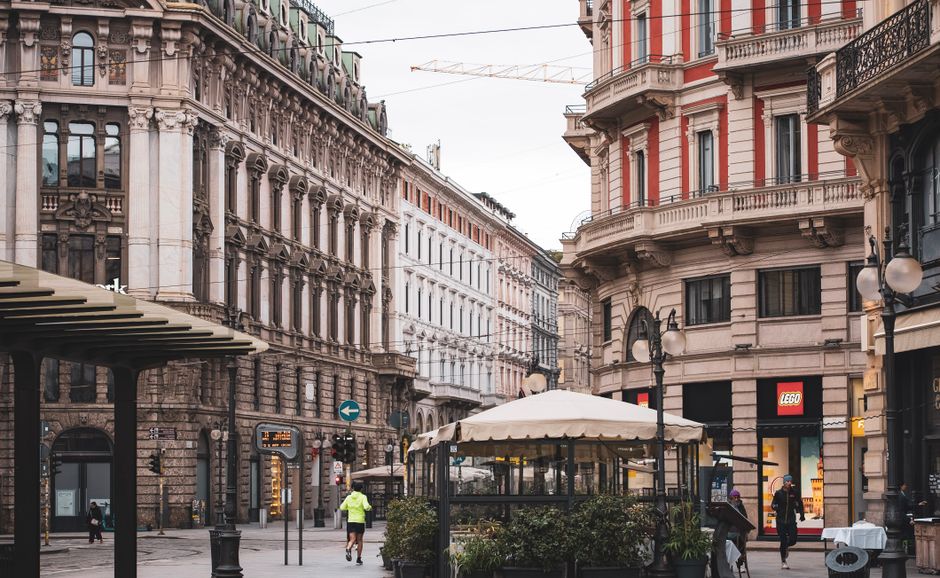
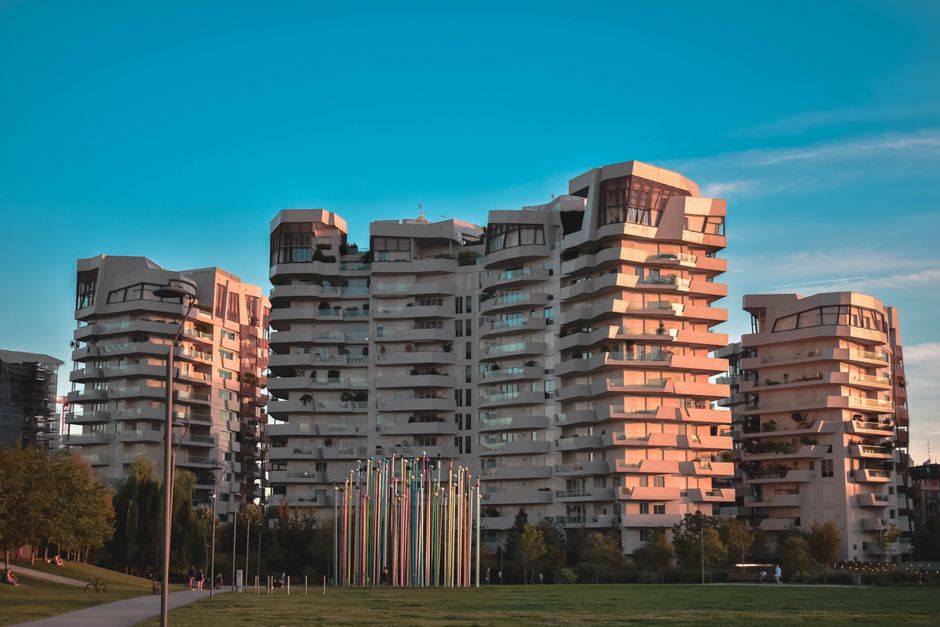
Five years ago, Porta Nuova was little more than a transit zone: commuters rushing between Milano Centrale and the northern suburbs, budget hotels catering to overnight visitors, and a reputation for feeling vaguely incomplete. Today, the neighbourhood wedged between the station and Garibaldi—bounded roughly by Via Vitruvio to the east and Via Pirelli to the west—has become something entirely different: Milan's emerging expat hub, complete with climbing gyms, coworking spaces, and a demographic that's reshaping how newcomers experience the city.
The transformation accelerated post-pandemic. International relocation specialists report that enquiries for Porta Nuova properties jumped 34% between 2023 and 2024, according to data from the Milan Chamber of Commerce. Rental prices reflect the shift: a one-bedroom apartment in the core neighbourhood now averages €800–950 monthly, compared to €650 three years ago. By Milan standards, it remains affordable—significantly cheaper than Brera or Navigli—yet commanding a premium that reflects genuine neighbourhood investment.
What's driving newcomers? Proximity matters. Porta Nuova's location means a 12-minute metro ride to fashion district hotspots and walking distance to the Monumental Cemetery and Garibalda Park. But infrastructure is the real draw. The opening of three major coworking facilities since 2023—including spaces within converted 1920s warehouses on Via Vitruvio—has created an ecosystem where international remote workers can establish routines immediately. Community platforms like InterMilano and Expat Milano now host monthly meetups specifically anchored to the neighbourhood.
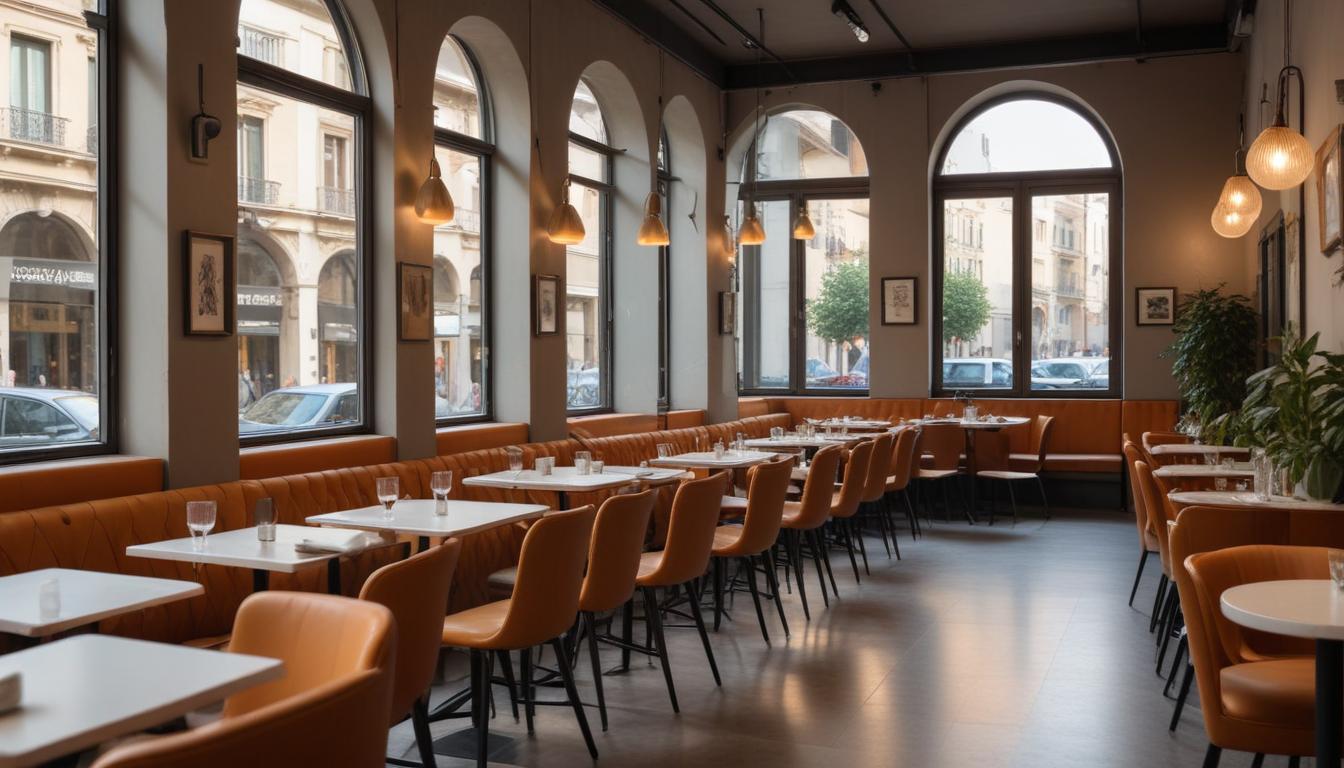
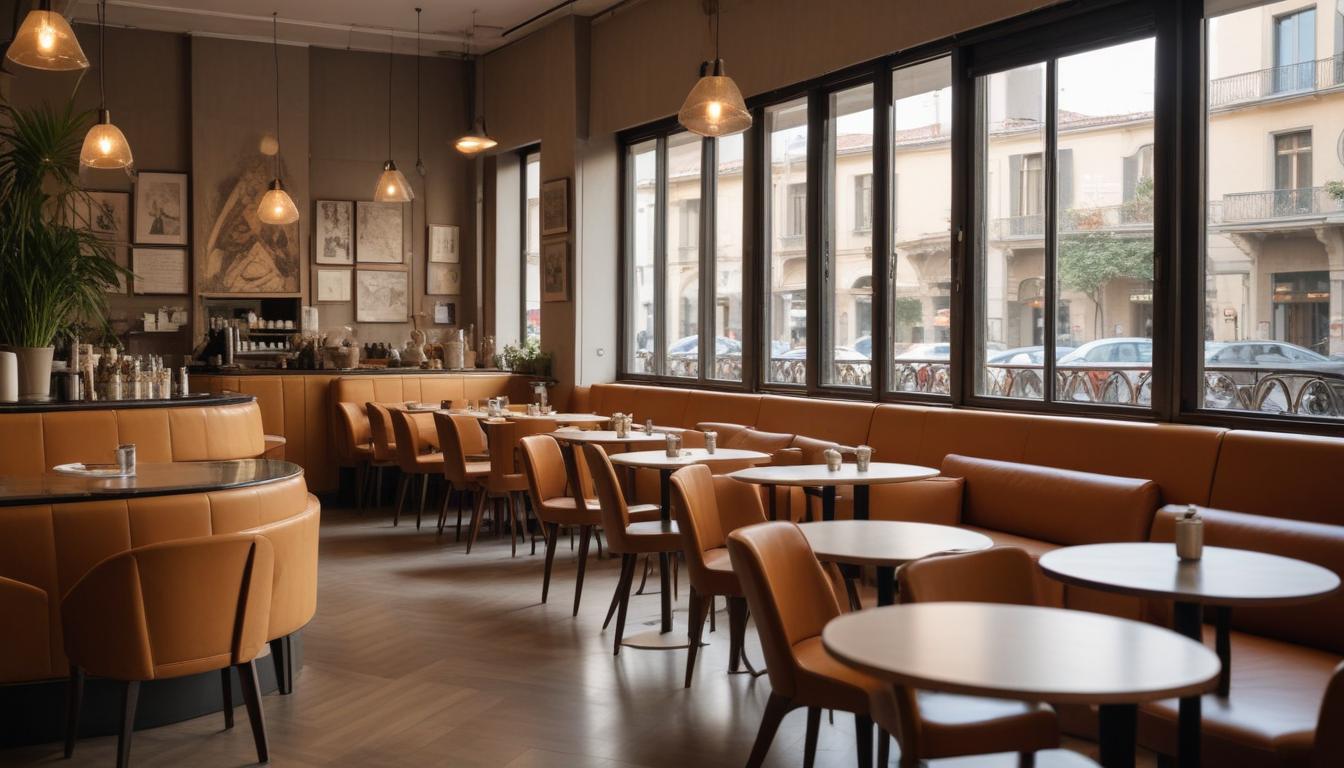
The dining scene has evolved accordingly. Where Irish pubs once dominated, restaurants now emphasise international cuisines and English-friendly menus. Via Melchiorre Gioia has emerged as a secondary restaurant row, with Vietnamese, Japanese, and contemporary Italian venues attracting both residents and curious locals from adjacent areas.
Yet changes are creating tension. Long-term residents express concern about rising rents and loss of character. The neighbourhood's gritty authenticity—its appeal to artists and younger Milanesi—competes visibly with the shiny international homogenisation creeping in. Local activist groups have begun advocating for rent controls on residential properties, a conversation Milan's municipal administration is monitoring closely.
For expats arriving in 2026, Porta Nuova offers undeniable convenience: established community networks, reasonable costs, and proximity to everything Milan promises. But they're inheriting a neighbourhood in flux—still authentic, but decidedly less rough around the edges than the Milan of five years prior.
This article was compiled by AI from the sources linked above and screened before publishing. See our editorial standards.