Milan's Last-Mile Revolution: How the Navigli District Is Redefining Urban Commuting
Electric scooters, cargo bikes and hyperlocal micro-mobility hubs are transforming how residents move through one of Europe's most congested neighbourhoods.
Electric scooters, cargo bikes and hyperlocal micro-mobility hubs are transforming how residents move through one of Europe's most congested neighbourhoods.
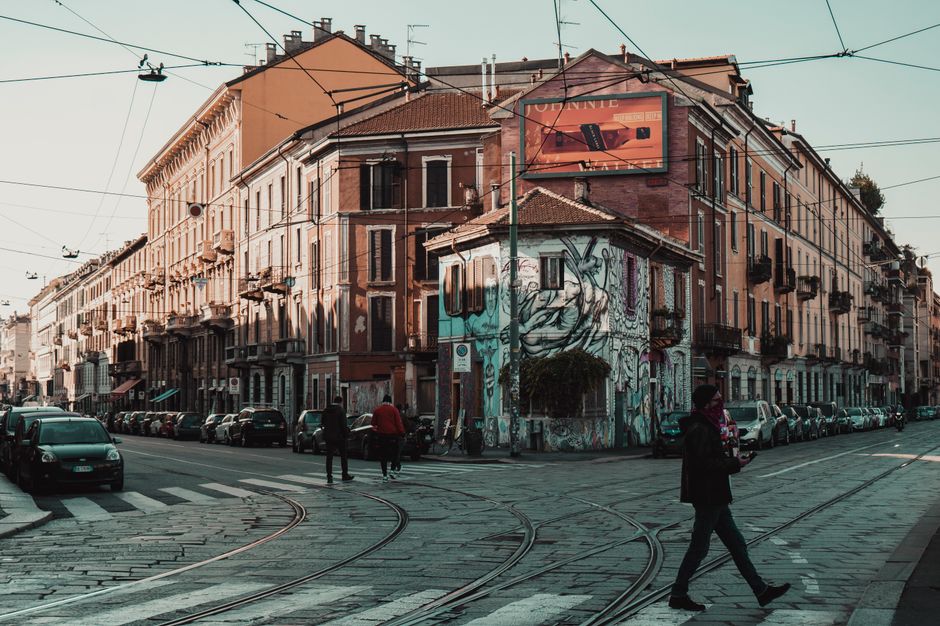
Walk along the Navigli Grande on any weekday morning, and you'll witness Milan's commuting landscape in flux. Where sleek businesspeople once clutched espressos on crowded trams, a kaleidoscope of micromobility now dominates: lime-green e-scooters lean against centuries-old brick walls, cargo bikes laden with children navigate the cobblestones, and electric kick-bikes zip past delivery couriers on foot. The Navigli—that romantic canal-side neighbourhood beloved by tourists and locals alike—has become an unlikely laboratory for how Milan moves.
The shift accelerated over the past eighteen months. Milan's congestion charges and expanding low-emission zones have made traditional car commuting prohibitively expensive. Last year, the municipality reported that 34% of Navigli residents had abandoned personal vehicles entirely, up from 19% in 2022. The void has been filled by a dizzying array of alternatives. The new mobility hub near Porta Ticinese, opened in March, combines secure bike parking, e-scooter charging stations, and connections to the MM2 metro line—a model being replicated across the city's inner rings.
Yet evolution brings friction. Local business owners on Via Casale and Ripa di Porta Ticinese grumble about scooters clogging pedestrian zones. The Navigli's historic character—its narrow medieval passages, its weekend aperitivo culture—is increasingly incompatible with swarms of micro-mobility users. The municipality implemented new parking zones last month, designating specific areas for e-scooters and cargo bikes, though compliance remains patchy.
What's genuinely shifting, though, is the demographic of commuters. Young professionals, parents dropping children at nearby nurseries, delivery workers—they're no longer beholden to tram schedules or car payments. A monthly unlimited tram pass costs €35; an average e-bike costs €900-1,200 to own outright, but rental networks charge roughly €0.25 per minute. The maths favour flexibility.
ATM, Milan's transport authority, hasn't ignored the trend. Their latest strategic plan acknowledges that 40% of Milanese commutes under two kilometres—precisely Navigli's catchment—now involve non-traditional mobility. They're integrating data from scooter-sharing apps into their journey-planning platform, creating a genuinely multimodal experience.
The Navigli's transformation reflects a broader truth about Milan in 2026: the city that built its reputation on design, speed and efficiency is finally designing its streets to match. Whether that's progress or merely replacing one traffic headache with another depends largely on where you stand.
This article was compiled by AI from the sources linked above and screened before publishing. See our editorial standards.
How does this story make you feel?
Spread the word
About this article
Published by The Daily Milan
Daily brief
Free, in your inbox before 7am. Weekdays.
More in lifestyle