Milan's School Revolution: How the City Just Became a Parent's Dream
New green spaces, extended childcare hours, and innovative curricula are transforming family life across the Lombard capital.
New green spaces, extended childcare hours, and innovative curricula are transforming family life across the Lombard capital.
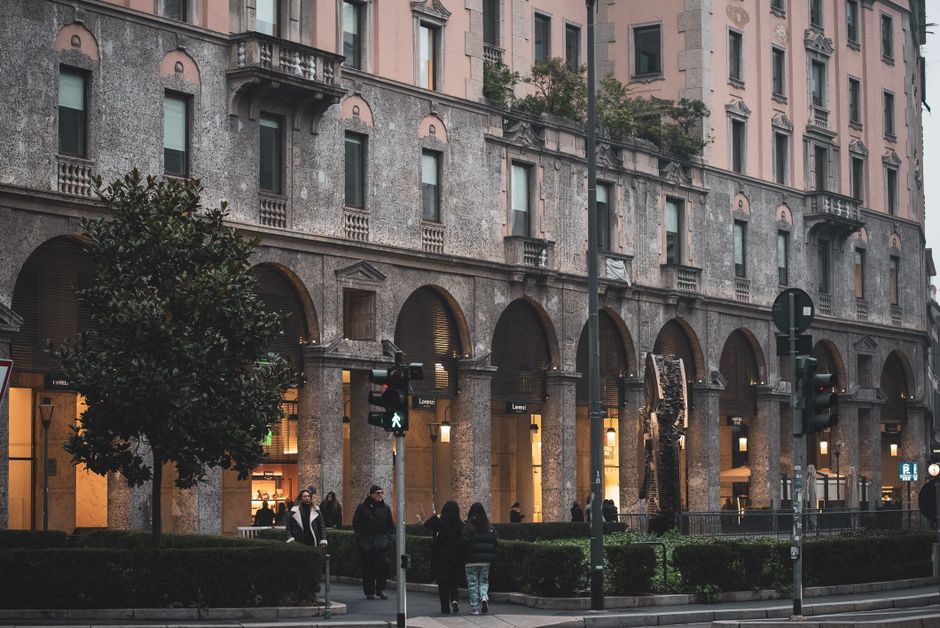
Walk through Porta Venezia on a Tuesday morning and you'll notice something that would have seemed impossible five years ago: parents actually lingering at school gates, chatting without urgency. The shift is palpable, and it's driven by a quiet revolution in how Milan approaches education and child-rearing.
The catalyst arrived in late 2024 when the Comune completed its overhaul of school infrastructure across all nine zones. Most notably, the expansion of pre-school capacity in Brera and Navigli—historically the city's most congested areas for families—has slashed waiting lists from eighteen months to just three. "We finally got our daughter into Scuola dell'Infanzia Garibaldi without moving to the suburbs," says the refrain heard repeatedly in coffee shops from Via Brera to Corso Como.
But infrastructure alone doesn't explain the enthusiasm. The real game-changer has been the introduction of extended childcare hours. Public schools now offer supervised activities until 7 p.m., four days weekly, addressing what parents call the "school-to-work gap"—that impossible window when lessons end at 4 p.m. but offices don't close until 6. Costs hover around €180 monthly per child, significantly undercutting private alternatives that charge €400-plus.
Then there's the curricular innovation. Milan's schools have embraced a revised national framework emphasizing environmental literacy and digital skills alongside traditional academics. Schools like IC Calvino in Lambrate now operate vertical gardens where children grow vegetables, connecting learning to sustainability—increasingly important to Milan's eco-conscious demographic.
The restoration of Parco Formentano in the Isola district has also reshaped family weekends. Once neglected, the 8-hectare green space now hosts weekend educational activities run by local nonprofits, drawing families from across the city.
Naturally, challenges persist. Private school fees remain steep—elite institutions charge €15,000-20,000 annually—and disparities exist between well-resourced zones like San Babila and outer neighborhoods. Yet the baseline improvement is undeniable. Young families are staying in Milan rather than decamping to Como or Bergamo.
"Milan had always felt like a city for working professionals, not families," notes one Navigli resident, a tech executive who returned from Dubai specifically because her children could now attend quality public schools without sacrifice. "That's genuinely changed."
As school holidays approach, expect Milan's playgrounds to feel busier than ever. The city has finally caught up to what parents have long demanded: a place where ambitious careers and rich family life coexist.
This article was compiled by AI from the sources linked above and screened before publishing. See our editorial standards.
How does this story make you feel?
Spread the word
About this article
Published by The Daily Milan
Daily brief
Free, in your inbox before 7am. Weekdays.
More in lifestyle