Raising Children in Milan: What Parents Really Need to Know About Costs and Access
From nursery fees to international schools, here's the complete financial and practical guide to family life in Italy's most expensive city.
From nursery fees to international schools, here's the complete financial and practical guide to family life in Italy's most expensive city.
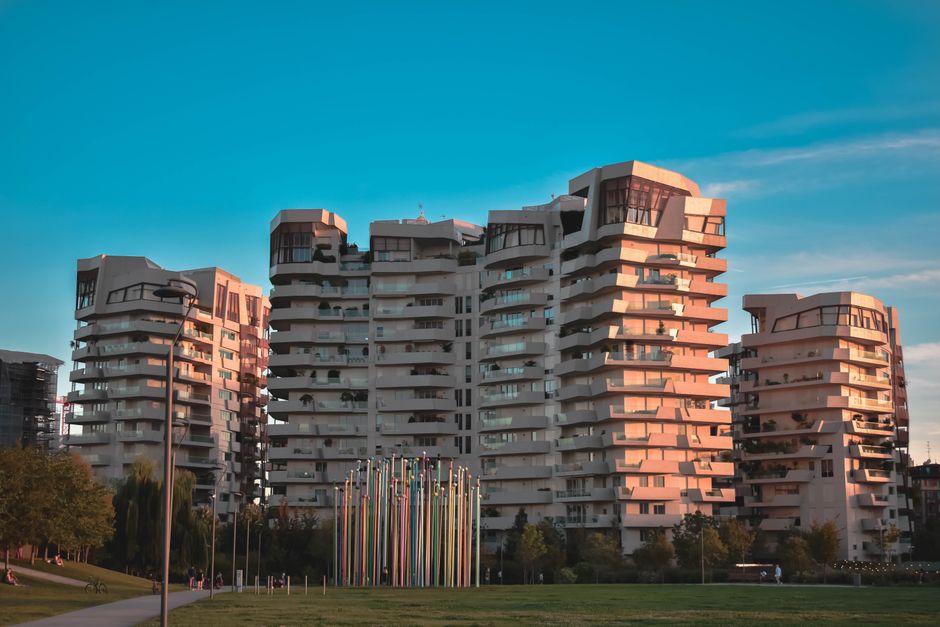
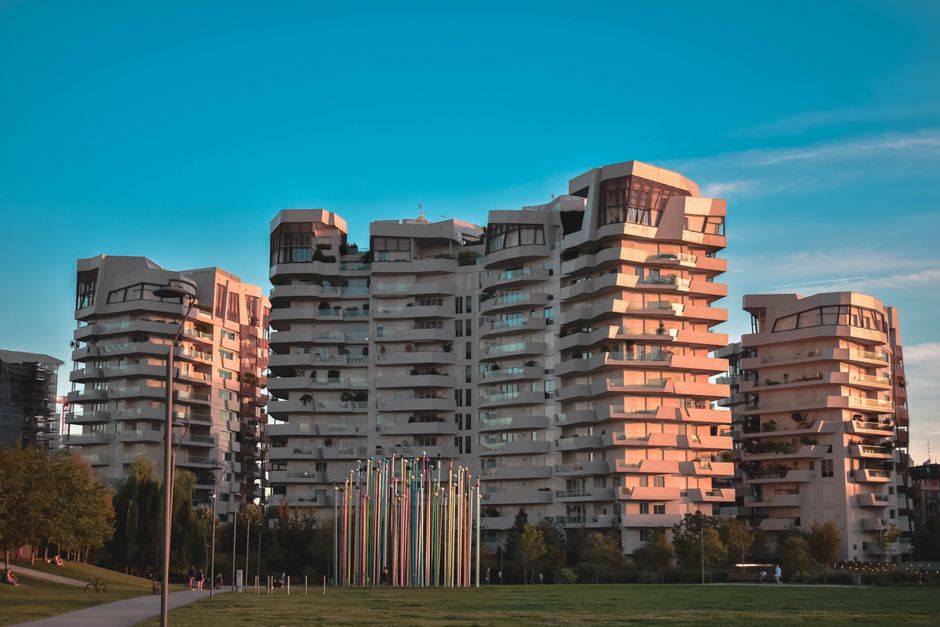
Milan's reputation as Italy's fashion and business capital extends to its approach to childhood. But for families considering a move to the Navigli district or beyond, understanding the real costs and accessibility of schools and childcare is essential before deciding to plant roots here.
The financial reality starts early. Municipal nurseries (asili nido) in Milan are heavily subsidised but remain pricey—expect €400–600 monthly for full-time care, with waiting lists stretching months. Private alternatives around Brera or Porta Romana range from €800–1,200 monthly. Many expat families opt for international nurseries like the British School of Milan's Early Years programme in the Citylife complex, where fees approach €15,000 annually.
Primary and secondary education options are equally diverse and costly. State schools remain affordable (€100–200 annually) but competitive entry requires understanding Milan's district-based allocation system. International alternatives dominate expat conversations: the International School of Milan in Noverchirondo charges approximately €18,000–25,000 yearly, while the American School of Milan in Lombardy runs €22,000–30,000. Swiss School Milano offers a middle ground at around €12,000–18,000.
Location matters significantly. Families with school-age children gravitate toward neighbourhoods like Brera, Porta Romana, and areas near Parco Sempione, where independent schools cluster. The San Siro and Magenta quarters attract those prioritising proximity to state schools and parks. Transport infrastructure—Milan's extensive tram and metro network—helps offset central city pricing, though family-friendly flats rarely dip below €1,200 monthly rent even in outer zones.
Beyond tuition, Milan's lifestyle costs accumulate quickly. After-school activities and weekend clubs expect €150–250 monthly. English-language support programmes, tutoring for entrance exams, and extracurricular enrichment add another layer of expense. Summer camps through organisations like Associazione Piccoli Principi range €400–700 weekly.
The practical side: Milan's bureaucracy demands patience. School registration requires residency documentation, Italian tax numbers, and health certifications. Non-EU families should engage relocation specialists familiar with permesso di soggiorno requirements. Healthcare through public paediatric services is efficient; private paediatrics through centres like Centro Medico Santagostino offer quicker appointments for €80–150 per visit.
Family-friendly infrastructure is sophisticated. Parco Lambro and Parco Indro Montanelli provide green spaces; the Biblioteca Comunale branches offer children's programmes. Friday evening passeggiata culture means family-oriented restaurant scenes thrive throughout neighbourhoods like Navigli.
Bottom line: raising a family in Milan requires €2,500–4,000 monthly beyond housing if choosing international education, less if navigating state systems. Success depends on early research, community networks, and realistic expectations about Italian bureaucracy mixed with European convenience.
This article was compiled by AI from the sources linked above and screened before publishing. See our editorial standards.
How does this story make you feel?
Spread the word
About this article
Published by The Daily Milan
Daily brief
Free, in your inbox before 7am. Weekdays.
More in lifestyle