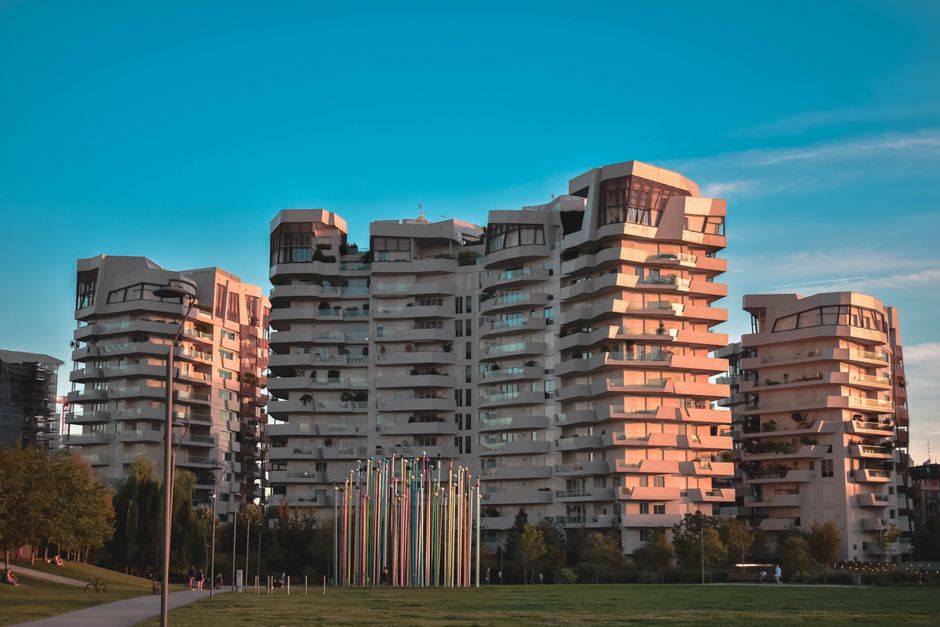
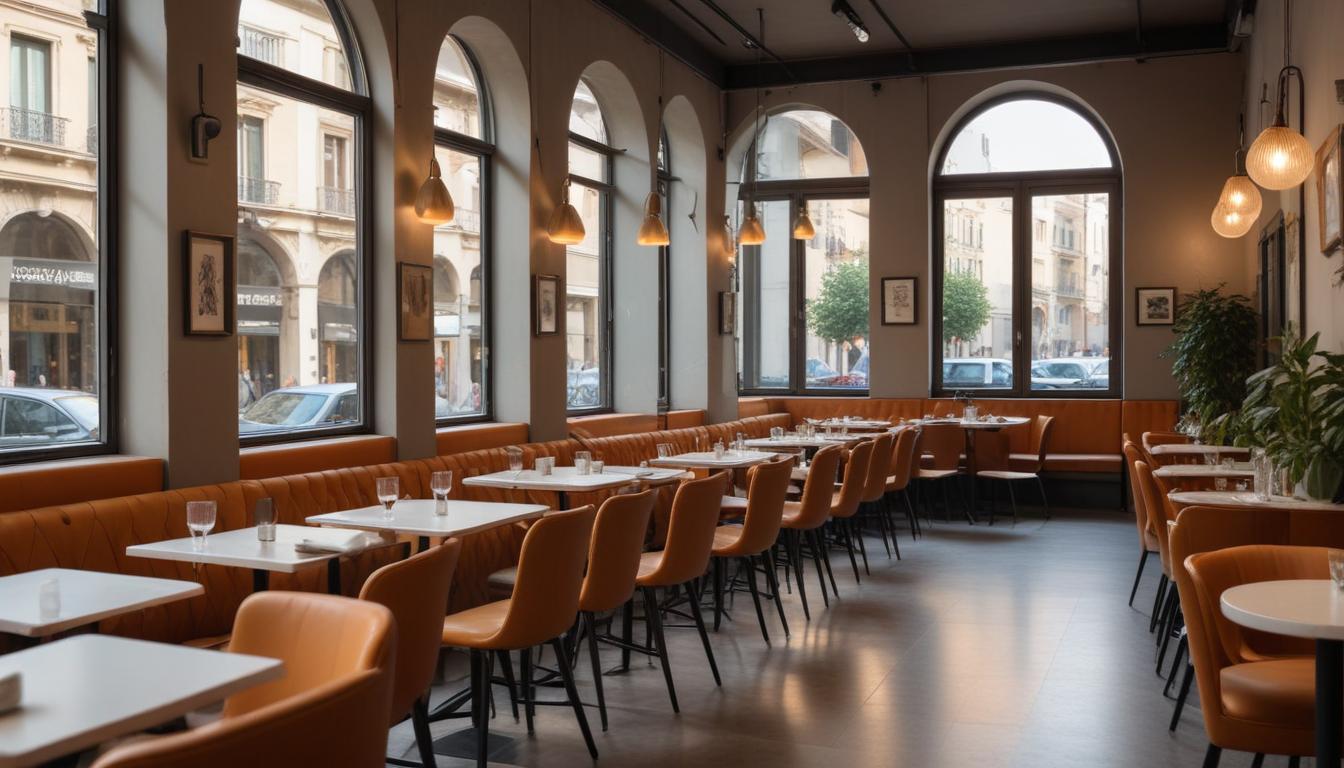
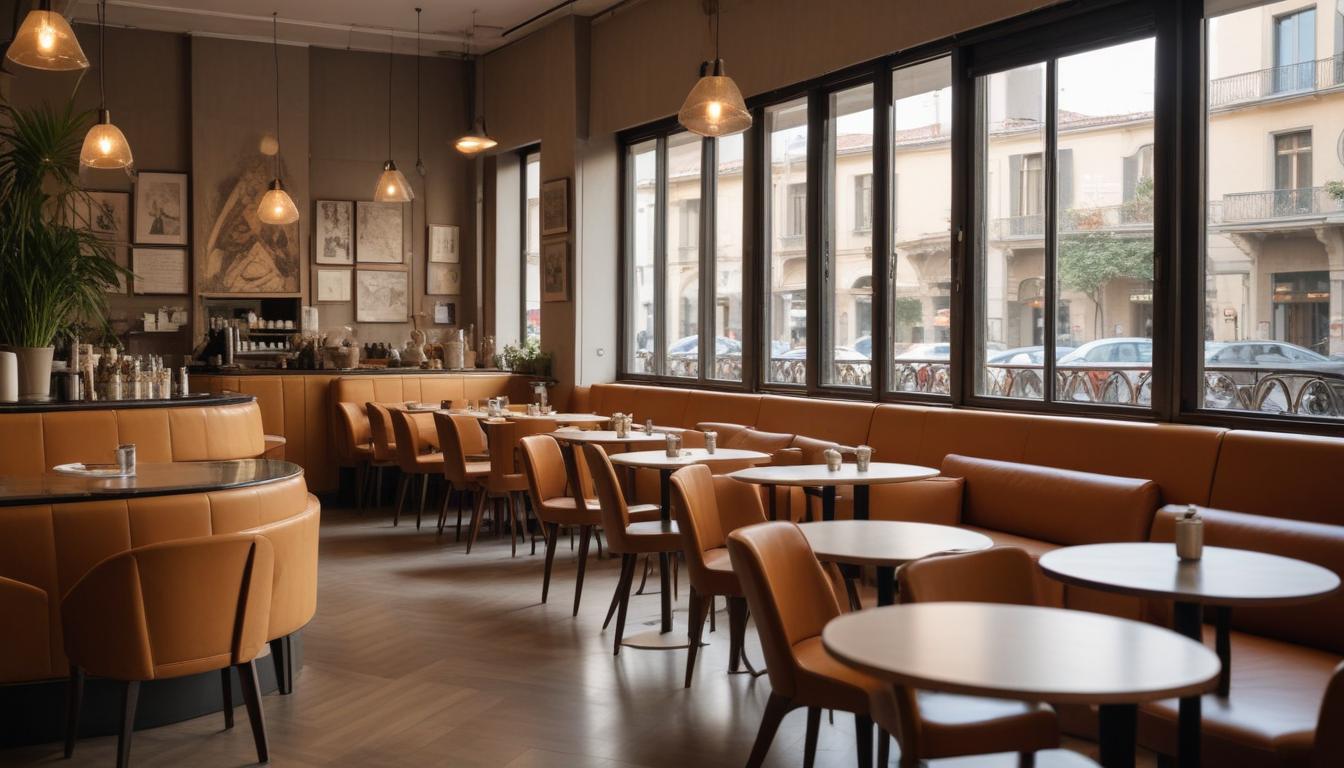
Moving to Milan? Here's What Locals Actually Want You to Know
Forget the glossy relocation guides—we asked expats and long-term residents what really matters when starting life in Italy's fashion capital.
Forget the glossy relocation guides—we asked expats and long-term residents what really matters when starting life in Italy's fashion capital.
Milan attracts roughly 50,000 new residents annually, many arriving with romantic notions of aperitivo culture and Duomo views. The reality, say those who've made the transition stick, is far more textured—and decidedly less Instagram-filtered.
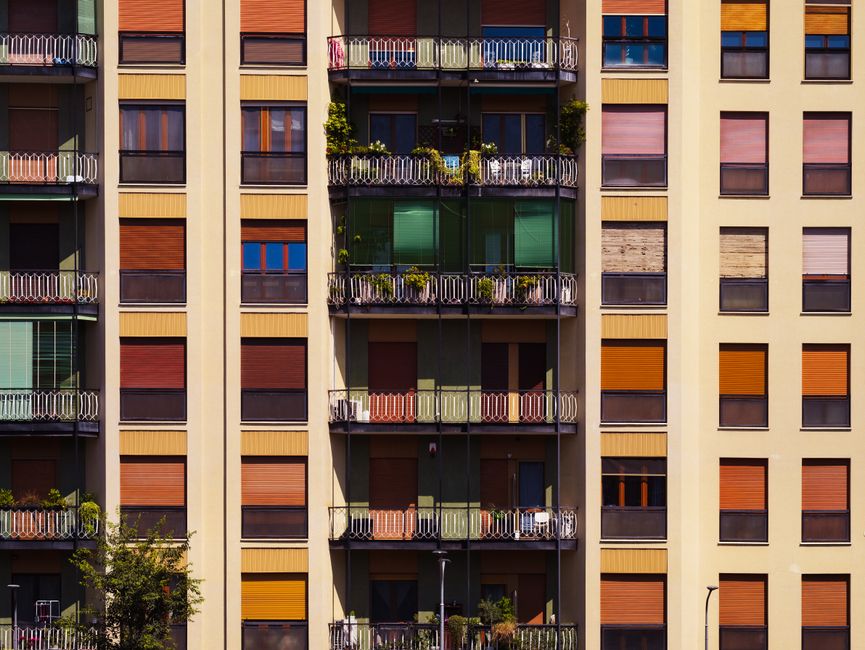
"Housing is the first shock," explains the expat community consistently. Rent in central neighbourhoods like Brera and Navigli averages €1,400–€1,800 monthly for a one-bedroom, though many newcomers find better value in Isola or Lambrate, where creative communities have driven prices up but neighbourhoods retain authentic character. The trick: don't sign a lease sight unseen. Immobiliare.it and Subito remain the go-to platforms, but locals recommend engaging a real estate agent familiar with your budget—the €500–€800 upfront investment pays dividends.
Public transport is genuinely excellent. The ATM metro, tram, and bus network requires an initial registration (take your passport to any station), and a monthly pass costs €39. Cyclists swear by MilanoByBike infrastructure, though locals warn that bus lanes shift seasonally and road rules favour neither the timid nor the foolish.
Integration hinges on intentionality. Language classes at Società Dante Alighieri (near the Brera district) cost around €400 for ten weeks—essential not for survival, but for dignity. Expat forums like InterNations Milan are useful for logistics but won't replace genuine neighbourhood connections. Regular presence at neighbourhood spots—the markets on Viale Papiniano on Saturdays, cafés along the Navigli, or smaller galleries in Porta Genova—builds familiarity faster than any app.
Food costs more than outsiders expect. Supermarket staples run 20–30% above UK or US prices. The Carrefour Express model dominates, but quality grocers like Naturasì (multiple locations) attract savvy shoppers. Weekly markets—especially Corso Porta Ticinese—offer better produce and authentic interaction.
Healthcare requires registration with your nearest ASL office; EU citizens and others should clarify residency documentation before arrival. Private clinics like Istituto Clinico Italiano offer faster appointments but cost substantially more.
Finally, Milan's summer exodus is real. July and August see the city partially shut down—shops close, restaurants shutter, locals depart. Plan holidays accordingly or expect isolation.
The honest consensus from those who've stayed: Milan rewards effort. It's not beginner-friendly, rarely cheap, and demands active participation. But for those willing to navigate its complexities, the payoff—genuine community, professional opportunity, and undeniable style—justifies the friction.
This article was compiled by AI from the sources linked above and screened before publishing. See our editorial standards.
How does this story make you feel?
Spread the word
About this article
Published by The Daily Milan
Daily brief
Free, in your inbox before 7am. Weekdays.
More in lifestyle