The Faces Behind Milan's Markets: How Vendors Shape the Soul of the City
From Viale Papiniano to the Navigli, the people who stock our favourite stalls tell the real story of Milan's retail heartbeat.
From Viale Papiniano to the Navigli, the people who stock our favourite stalls tell the real story of Milan's retail heartbeat.
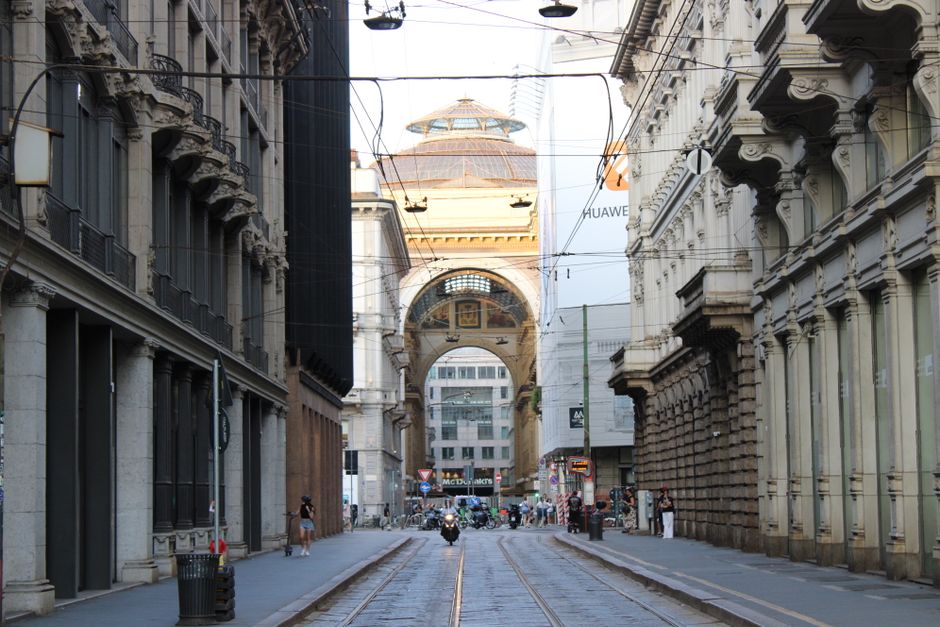
Walk through Viale Papiniano on a Saturday morning, and you're not just shopping—you're witnessing a living archive of Milan's multicultural identity. The market stretches for nearly a kilometre, hosting roughly 350 vendor stalls, many run by families who've claimed their spots for decades. It's here, amid the organised chaos of fruit pyramids and fabric bolts, that the city's character truly reveals itself.
Teresa Rossi has managed her textile stand since 1987. "People come back because they know me," she explains, her fingers expertly measuring metres of cotton for a regular customer. Her stall attracts tourists and locals alike, drawn by competitive pricing—premium fabrics at €8-15 per metre, roughly 30 per cent below high street boutiques. But the transaction is secondary to the relationship. She remembers fabric preferences, offers honest advice on quality, and knows three generations of some families by name.
The diversity of Milan's markets tells another story entirely. In the Navigli district, Moroccan spice merchant Karim Ben established his business eight years ago, capitalising on Milan's growing interest in authentic international ingredients. His stand stocks saffron, za'atar, and preserved lemons at prices undercut by 40 per cent compared to specialty grocers. "Milan is open," he says simply. "People want to explore."
Recent data from the Chamber of Commerce Milano Monza Brianza Lodi reveals that approximately 1,200 market vendors operate across the city's 60-plus street markets. These aren't relics of a disappearing retail model—they're adaptable, resilient businesses. Instagram-era consumers increasingly seek authenticity and direct human connection; markets provide exactly that.
The Vercelli market, nestled between Corso Buenos Aires and Via Torino, attracts 15,000 visitors weekly, according to municipal estimates. Vendors here operate with razor-thin margins—often 5-8 per cent on clothing, 10-15 per cent on produce—yet they survive because they've cultivated loyalty that algorithms cannot replicate.
What unites these merchants isn't merely commerce. It's the understanding that a market stall represents something Milan's luxury flagship stores simply cannot: accessibility paired with personality, tradition intertwined with evolution. When you buy vegetables from Giuseppe at Sant'Agostino market, or leather goods from the Moroccan craftsman near the Darsena, you're not just acquiring products. You're participating in the city's most democratic, most authentic retail space.
That human dimension—the vendor who remembers your preferences, the stallholder who negotiates fairly, the family business that's weathered three recessions—remains Milan's most undervalued luxury.
This article was compiled by AI from the sources linked above and screened before publishing. See our editorial standards.
How does this story make you feel?
Spread the word
About this article
Published by The Daily Milan
Daily brief
Free, in your inbox before 7am. Weekdays.
More in lifestyle