Milan's Bar Scene is Getting a Second Life—and Locals Can't Get Enough
A wave of neighbourhood-focused venues and sustainable practices is reshaping how Milanese unwind after dark.
A wave of neighbourhood-focused venues and sustainable practices is reshaping how Milanese unwind after dark.
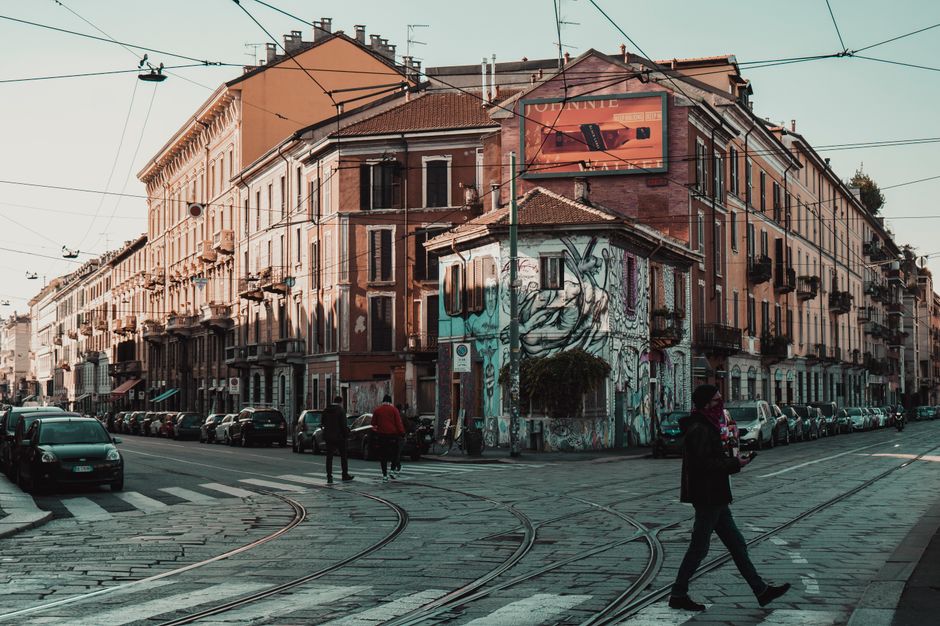
Walk down Via Torino on a Friday evening and you'll notice something different from even two years ago. The bar scene in Milan isn't just recovering from pandemic disruptions—it's fundamentally transforming, with locals increasingly drawn to intimate, locally-rooted spaces over the flashy Navigli canal district haunts that once dominated the city's nightlife conversation.
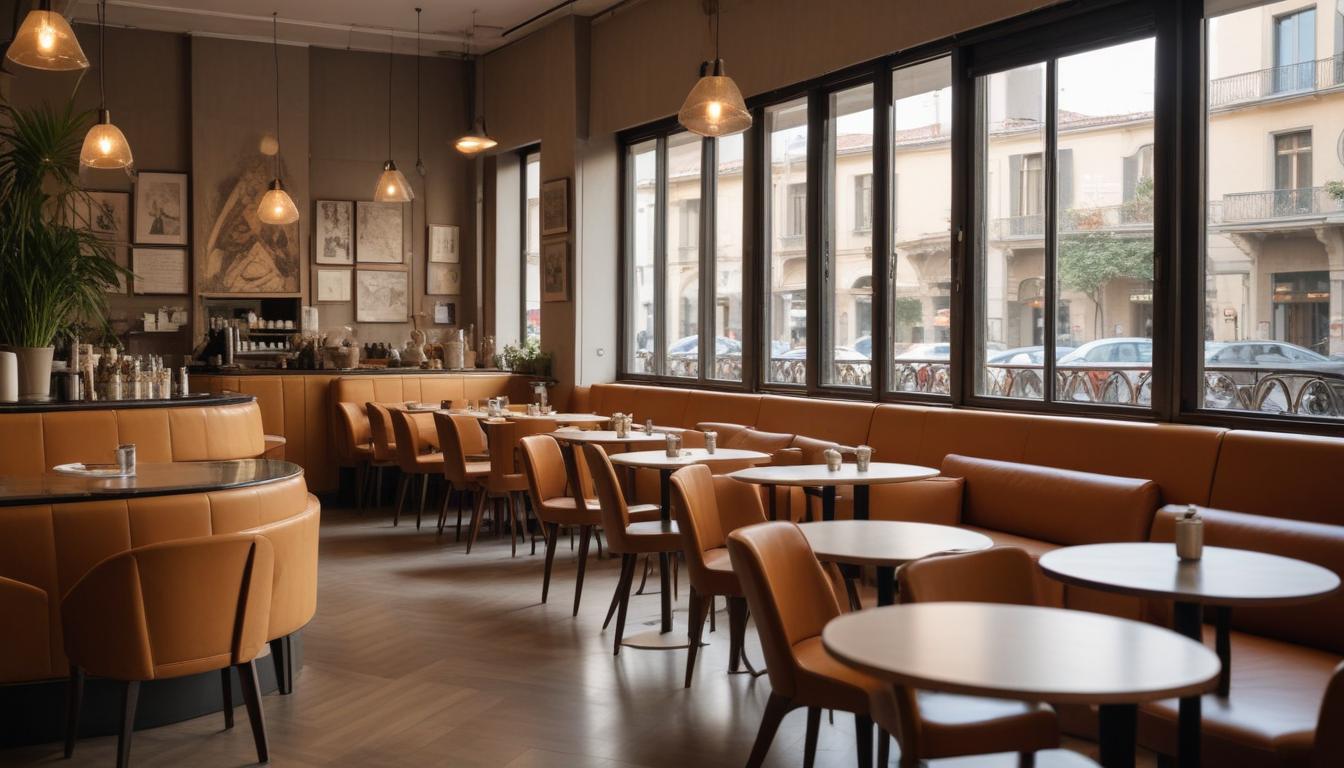
The shift reflects broader changes in how Milanesi socialise. Rather than gravitating toward the same three tourist-heavy zones, younger professionals and longtime residents are discovering venues tucked into Zona Tortona, Isola, and the Lambrate design quarter. These neighbourhoods have seen a 34% increase in bar openings since 2024, according to data from the Milan Chamber of Commerce, with many establishments emphasising natural wines, craft spirits sourced within 200 kilometres, and locally-roasted coffee that doubles as evening aperitivo culture.
"There's been a real rejection of the homogenised experience," explains the independent bar scene in these districts, where venues like those clustered around Via Lecco have pioneered low-alcohol, ingredient-focused menus. A spritz now costs €5-7 at most neighbourhood bars—down from €10-12 in central tourist zones—making regular nights out more sustainable for locals earning Milan's average salary.
Technology has quietly reshaped the experience too. Most new establishments use reservation apps and real-time capacity tracking, meaning the chaotic 45-minute waits that plagued pre-pandemic Friday nights are largely gone. Social media has shifted from Instagram-driven aesthetics toward neighbourhood community accounts, where locals share recommendations and host themed evenings.
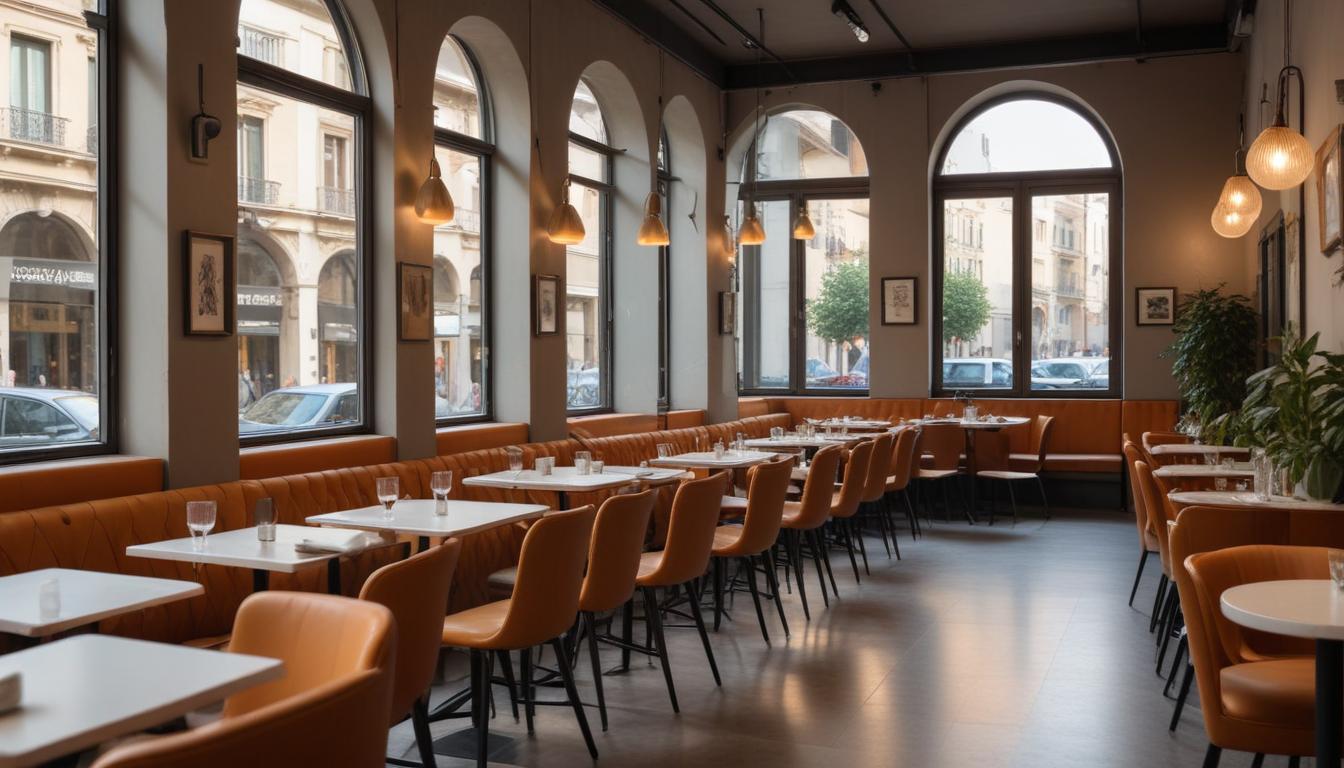
The Isola neighbourhood exemplifies this trend most clearly. Once overlooked, it's now home to a thriving cluster of bars operating within walking distance of each other, creating informal "bar hopping" districts that require no advance planning. Many venues have extended terraces—a response to post-pandemic preferences for outdoor socialising—with several featuring quiet garden spaces rather than the thumping bass that characterised earlier decades.
What resonates most with Milanesi is authenticity paired with accessibility. The city's bar culture has moved away from exclusivity and toward inclusivity; venues actively cultivate regular clientele and host neighbourhood events, live music sessions, and cultural conversations. This represents a philosophical shift in how locals view their nightlife—not as escape from Milan, but as deepening connection to their actual communities.
For a city long defined by work-first pragmatism, the emerging bar scene finally offers what many residents have sought: places to unwind that feel genuinely theirs.
This article was compiled by AI from the sources linked above and screened before publishing. See our editorial standards.
How does this story make you feel?
Spread the word
About this article
Published by The Daily Milan
Daily brief
Free, in your inbox before 7am. Weekdays.
More in lifestyle