The Faces That Shape Milan: How Real People Are Redefining What It Means to Live Here
From Navigli artisans to Isola community gardeners, we meet the residents breathing life into Europe's most ambitious city.
From Navigli artisans to Isola community gardeners, we meet the residents breathing life into Europe's most ambitious city.
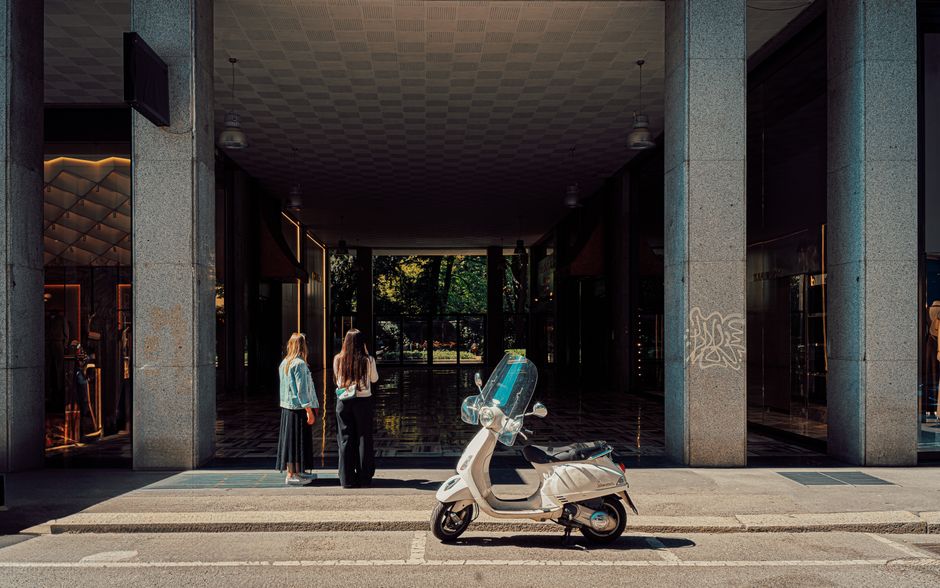
Milan moves fast. Between the fashion weeks, the financial markets, and the constant construction cranes reshaping skylines, it's easy to forget that this city of 1.3 million people is built on something far more intimate: the stories of those who choose to call it home.
Walk through Navigli on a Saturday morning, and you'll find florists who've tended the same corner of Via Ascanio Sforza for thirty years, their window displays changing with the seasons like clockwork. These aren't Instagram moments manufactured for consumption—they're the rhythms of people who've decided to stay, to invest, to build something rooted. The neighbourhood's residential population has actually grown 15% since 2020, bucking the trend of city centre depopulation that plagued Milan for decades.
Head northeast to Isola, and you'll discover something equally vital: the community gardens tucked between industrial buildings and new residential projects. What started as informal vegetable patches has evolved into organized initiatives where neighbours—Italian, Chinese, North African, Eastern European—share seeds, knowledge, and meals. These spaces represent something Milan desperately needed: organic community building amid rapid gentrification.
The Brera district tells another story entirely. Here, gallery owners, restorers, and multi-generational family businesses coexist in a neighbourhood that somehow escaped becoming a theme park version of itself. Average rents hover around €18 per square metre monthly—steep by Italian standards, but artists and cultural workers continue choosing Brera, suggesting they see something worth the sacrifice.
What makes these stories compelling isn't nostalgia or resistance to change. It's adaptation. The retired industrial worker in Porta Romana who now runs a podcast about local history. The Lebanese family who opened a bakery in Lambrate that's become a gathering point for the entire creative district. The young professionals choosing to raise children in Città Studi, banking on the neighbourhood's transformation from student ghetto to vibrant mixed-use community.
Milan's challenge has always been balancing ambition with livability. The city ranks among Europe's most expensive, with property prices climbing steadily. Yet people stay. They invest emotionally and financially. They plant gardens in unexpected places. They open businesses with no guarantee of return. They choose to be neighbours.
That's the real Milan story—not the one written in quarterly earnings reports or fashion magazine spreads, but in the quiet decisions of ordinary people to make extraordinary neighbourhoods worth living in.
This article was compiled by AI from the sources linked above and screened before publishing. See our editorial standards.
How does this story make you feel?
Spread the word
About this article
Published by The Daily Milan
Daily brief
Free, in your inbox before 7am. Weekdays.
More in lifestyle