For decades, Milan's reputation as a world-class fashion and design hub was shadowed by a commuting reality that left locals perpetually frazzled. The Linea Rossa, perpetually packed during peak hours, and the seemingly endless construction on Corso Buenos Aires made the daily journey across the city feel like an endurance test rather than a civic experience.
But something shifted dramatically over the past eighteen months. The completion of the M4 metro line extension to San Cristoforo, combined with the dramatic expansion of Milan's bike-sharing network and a bold new congestion pricing scheme in the city centre, has fundamentally rewritten how Milanese navigate their city.
"The change is tangible," notes the city's transport authority, which reported a 23 per cent increase in metro ridership since January 2025 and a corresponding 18 per cent reduction in private vehicle journeys within the congestion charge zone—the Cerchia dei Navigli area and central districts. The M4 extension alone now serves an additional 150,000 daily commuters, many of whom previously relied on overcrowded tram lines or cars.
The financial incentive has proven equally compelling. A monthly metro pass costs €35, down from €40 three years ago, while the congestion charge—€5 per day for non-residents driving into zones 1 and 2—has nudged even reluctant car owners toward public transport. Young professionals cycling from Isola to their offices in Porta Nuova report that the newly protected bike lanes on Via Torino and along the Navigli canal system have made two-wheeling a genuinely appealing option rather than a death-defying dare.
Perhaps most crucially, the integration between systems has finally matured. The ATM's unified app now seamlessly combines metro, tram, bus, and bike-sharing information, allowing commuters to plan multimodal journeys with precision. A journey from Lambrate to the Duomo that once consumed 45 minutes of stress can now be accomplished in 32 minutes of relative calm.
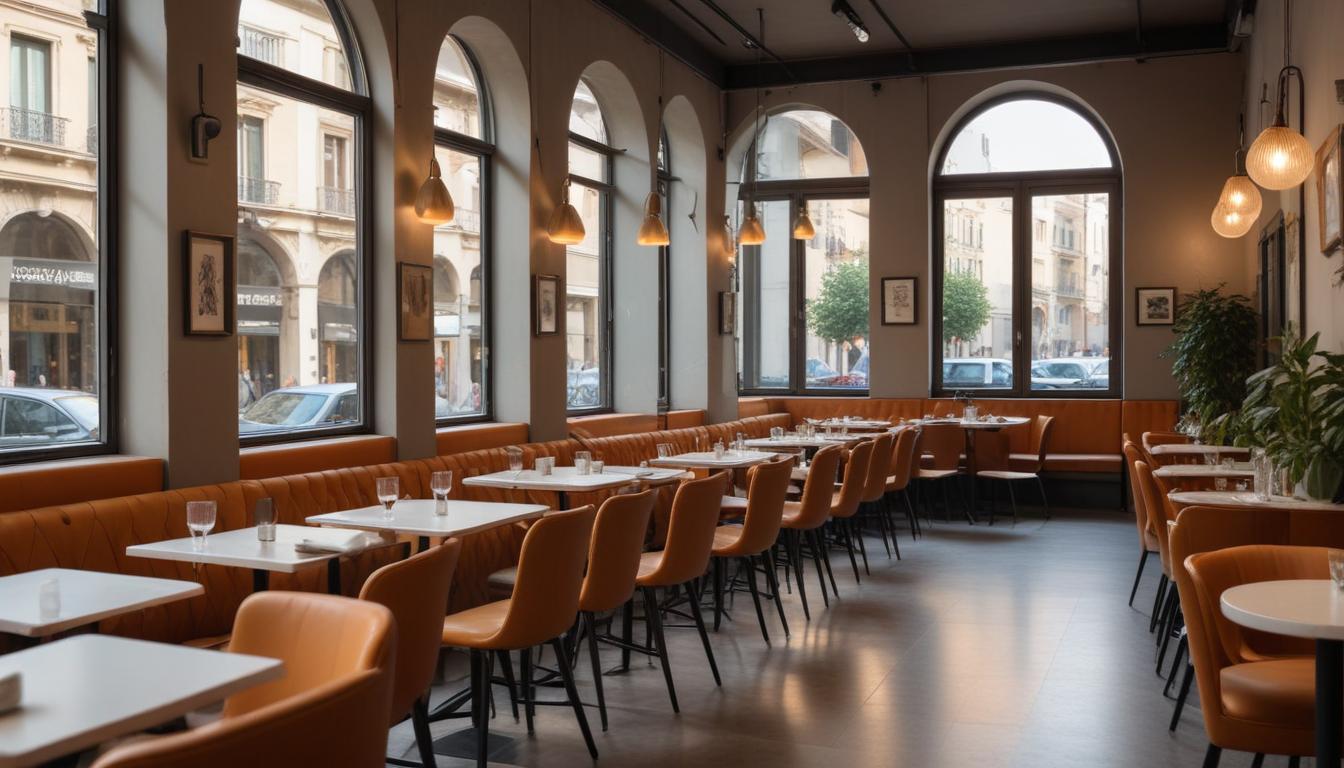
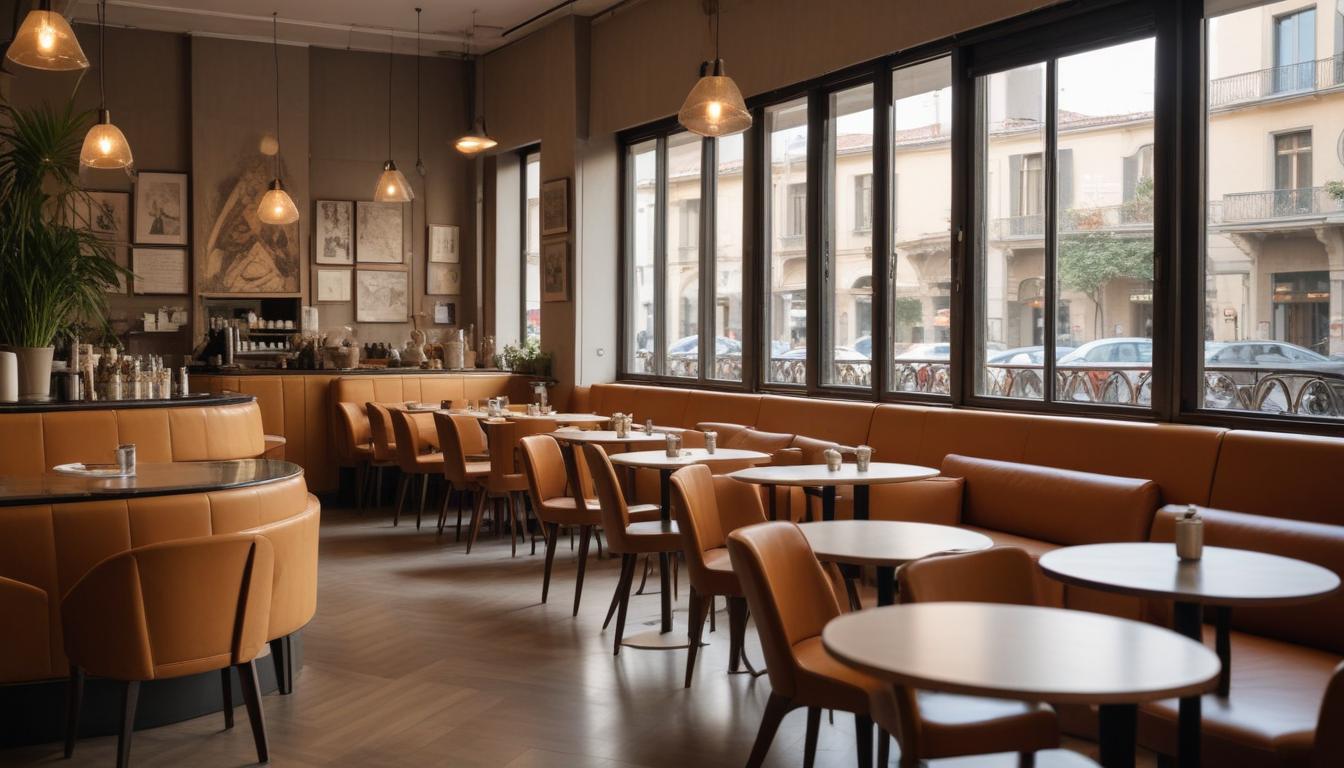
The social effects ripple outward. Neighbourhood bars around newly bustling metro stops—think Navigli-adjacent venues and the emerging café scene around the San Cristoforo terminus—have experienced unexpected footfall surges. The psychological relief of a functioning transport network has proven as valuable as the time it saves.
Milan's obsession with efficiency and style finally extends to how its people move through the city. For residents who remember the chaos of 2024, it feels revolutionary.
This article was compiled by AI from the sources linked above and screened before publishing. See our editorial standards.