Walk through Brera on a Tuesday afternoon and you'll witness a particular kind of Milan parenting: designer pushchairs lined up outside Pasticceria Marchesi, children in pristine uniforms streaming from the prestigious schools clustered around Via Brera, families claiming tables at family-friendly trattorias where menus cater to both generations. This neighbourhood, home to the prestigious Liceo Classico Beccaria and numerous international schools, attracts affluent families willing to pay premium prices—average rent for a three-bedroom apartment hovers around €2,200 monthly—for proximity to culture and education.
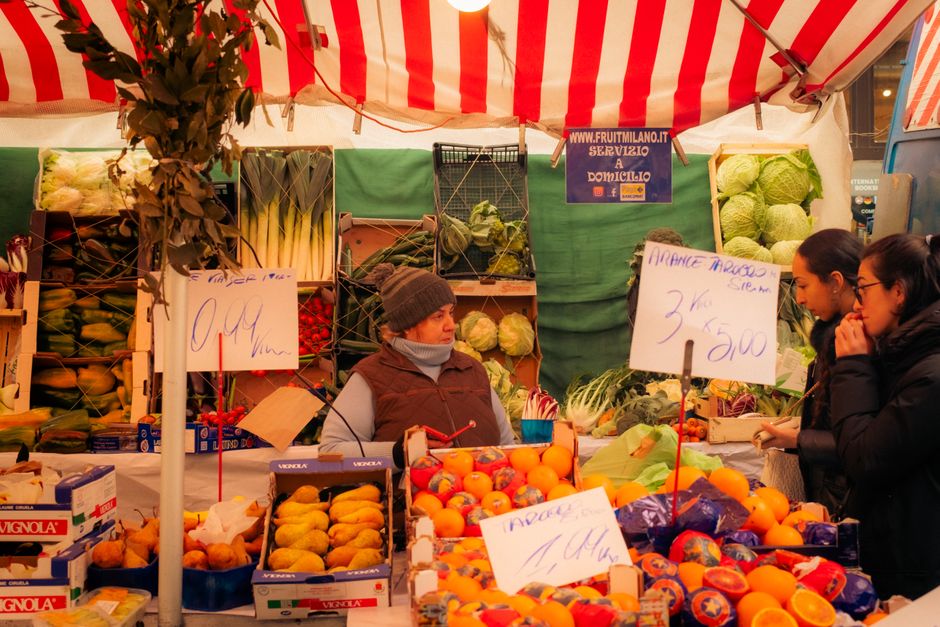
Cross the Navigli canals, however, and the atmosphere shifts entirely. Here, young families navigate a different Milan: more bohemian, more affordable (roughly 30% cheaper than Brera), and increasingly populated by young professionals raising children in converted lofts. Weekend mornings see parents cycling with kids toward the canal paths, weekend markets brimming with organic produce vendors, and an emerging ecosystem of cooperative play spaces and independent bookshops. The district's character centres on community-driven initiatives—neighbourhood associations organising group outings to local parks, informal networks connecting parents through social media groups that rival official channels in usefulness.
Sant'Ambrogio presents yet another profile. Near the Università Cattolica and home to Milan's most historic schools, this zone appeals to families prioritising academic tradition and religious values. The neighbourhood maintains a quieter, almost small-town quality despite its central location, with multi-generational families occupying the same apartment buildings for decades. Local schools often have waiting lists; community bonds run deep through parish activities and established family networks.
Data from Milan's municipal education office shows approximately 67,000 children attend primary schools across the city, with significant variation in class sizes and resources depending on neighbourhood. International schools cluster around Porta Venezia and Quadrilatero, serving expat families and wealthy Italian households seeking non-traditional education models.
What unites these distinct neighbourhoods isn't geography but philosophy: Milan's family communities thrive on curating childhood within urban constraints. Whether parents choose Brera's cultural abundance, Navigli's creative independence, or Sant'Ambrogio's institutional stability, each neighbourhood offers coherent identity and supporting infrastructure. The city's challenge remains balancing its economic dynamism with the slower rhythms these communities require.
This article was compiled by AI and screened before publishing. See our editorial standards.