Why Milan's Green Spaces Define a Different Kind of Urban Paradise
While other global cities compete for park size, Milan has perfected the art of intimate gardens woven seamlessly into its fashion-forward neighbourhoods.
While other global cities compete for park size, Milan has perfected the art of intimate gardens woven seamlessly into its fashion-forward neighbourhoods.
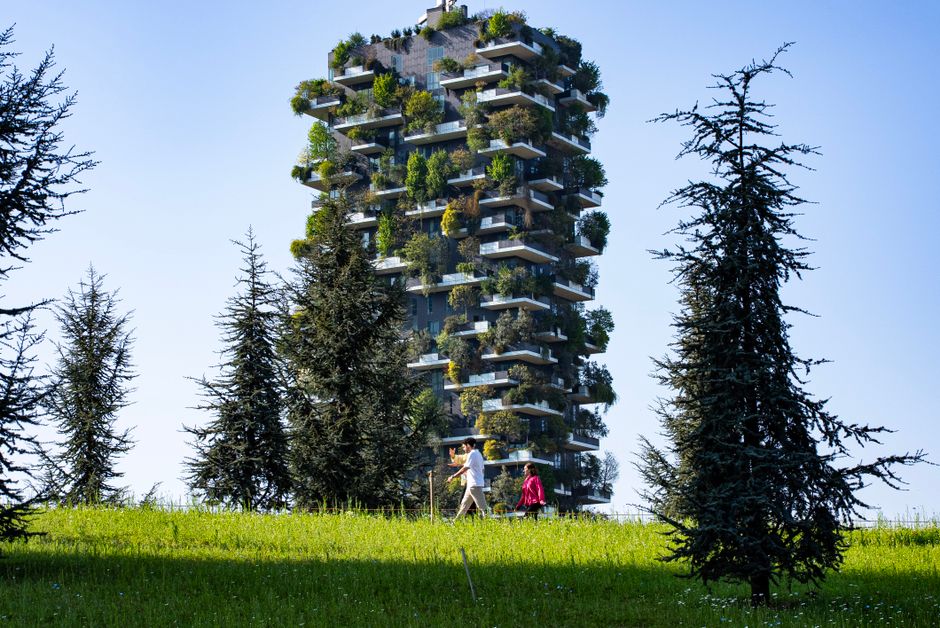
When New Yorkers flock to Central Park and Londoners sprawl across Hyde Park's 350 acres, Milanese slip into a quiet revolution happening at ground level. The city's 1,800 parks and gardens—covering roughly 15% of its metropolitan area—operate on a fundamentally different philosophy than their international counterparts. Here, green spaces aren't grand escapes from urban life; they're integrated pulses within it.
Consider Parco Sempione, the city's 47-hectare jewel behind the Castello Sforzesco. Unlike monumental parks designed to overwhelm visitors with scale, it whispers rather than shouts. Tree-lined pathways in the Zona Tortona neighbourhood connect seamlessly to neighbouring residential streets, creating what urban planners call the "third place"—neither home nor work, but essential to daily rhythm. You'll find Milanese professionals taking calls beneath mature oaks at lunchtime, their designer bags resting on park benches, not spectacularly posed for Instagram, but genuinely integrated into their working lives.
The city's real innovation lies in what might be called "neighbourhood-scale green thinking." Giardini Pubblici Indro Montanelli, spanning 17 hectares near Porta Venezia, maintains this intimacy despite its size. The adjacent Brera district's winding streets open unexpectedly onto small botanical clusters, each neighbourhood maintaining its character while breathing green. Compare this to Barcelona's grid-planned parks or Singapore's landscape engineering, and Milan's approach feels almost accidental—though it's anything but.
Economically, this matters. Real estate premiums in neighbourhoods with integrated green access—particularly around Navigli and the Quadrilatero d'Oro—reflect something deeper than mere aesthetics. A 2024 Milan Urban Institute study found that proximity to green space within walking distance increased property values by 8-12%, versus 4-6% in comparable global cities. Younger professionals aren't choosing Milan for one spectacular park; they're choosing it for ten neighbourhood gardens within a 15-minute walk.
The city's public spending on maintenance—€18 million annually across its park system—has created a model of continuous care rather than periodic renovation. Paths are kept unobstructively pristine. Plantings evolve seasonally with design intention. Local associations like Italia Nostra actively shape these spaces through civic engagement.
As global cities increasingly compete on park acreage and architectural spectacle, Milan's quiet achievement deserves recognition: a city where green living isn't a destination you travel to, but a quality woven into everyday existence. That's not just different. That's transformative.
This article was compiled by AI from the sources linked above and screened before publishing. See our editorial standards.
How does this story make you feel?
Spread the word
About this article
Published by The Daily Milan
Daily brief
Free, in your inbox before 7am. Weekdays.
More in lifestyle