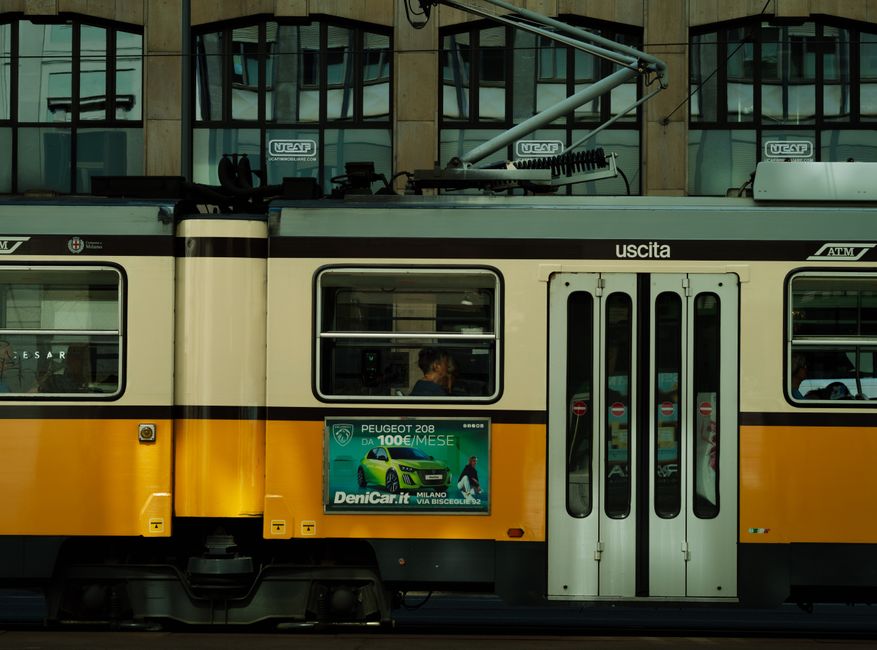
For years, Milanese weekend culture meant either staying put in Navigli's crowded bars or enduring sluggish train journeys to Lake Como. But 2026 has rewritten the rulebook. The completion of the expanded S-Bahn regional rail network has cut travel times to nearby destinations by up to 40 percent, making spontaneous day trips genuinely feasible for those working demanding jobs in the city's financial district.
The transformation is most visible at Lago di Orzinuovi, just 40 minutes from Centrale on the new express line. Once overlooked in favour of its famous cousins, the lake has undergone serious regeneration. New cycling paths around its perimeter—part of a €12 million regional initiative—now draw hundreds of Milanese each weekend. The lakeside town has added three new restaurants focusing on regional Lombard cuisine, with mains averaging €18–24, and several small hotels have adopted eco-friendly practices that appeal to the sustainability-conscious crowd increasingly visible in the Brera and Navigli neighbourhoods.
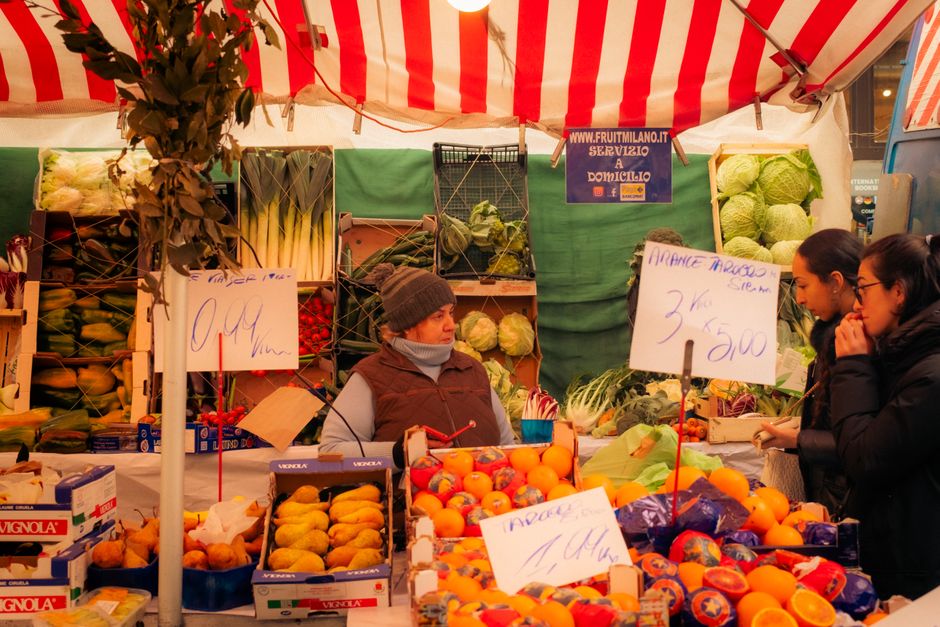
Closer to the city, the Parco Agricolo Sud Milano—the agricultural belt wrapping southern Milan—has become far more accessible since the opening of five new cycling rental hubs in June. Locals from the Porta Romana area now regularly pedal out for farm-to-table lunches at agritourism spots like those around Vigevano, returning with weekend shopping from small producers. It's become a genuine alternative to the glossy shopping streets of Via Montenapoleone.
The Brianza region, traditionally dismissed as industrial sprawl, has pivoted dramatically. The Villa d'Este in Tregasio and several restored Renaissance villas now host weekend cultural programmes—classical concerts, art installations, and outdoor cinema—drawing young professionals seeking something beyond typical leisure. Admission typically runs €12–15.
What's changed isn't just infrastructure. There's a new appetite among Milanese for slower travel and local discovery. Post-pandemic priorities have shifted toward experiences over consumption. Train journeys themselves have become social—commuter Facebook groups now coordinate group visits to smaller lakes and villages, transforming a solitary journey into something communal.
The data backs this shift: regional transport authority ATM reports a 34 percent increase in weekend leisure journeys on regional lines since January 2026. Restaurants and attractions in towns within 60 minutes of Milan have reported booking increases of 28 percent year-on-year.
For Milanese tired of the same Navigli Sunday and seeking weekend variety without leaving the region, the moment has clearly arrived. The city's doorstep has never been more inviting.
This article was compiled by AI and screened before publishing. See our editorial standards.