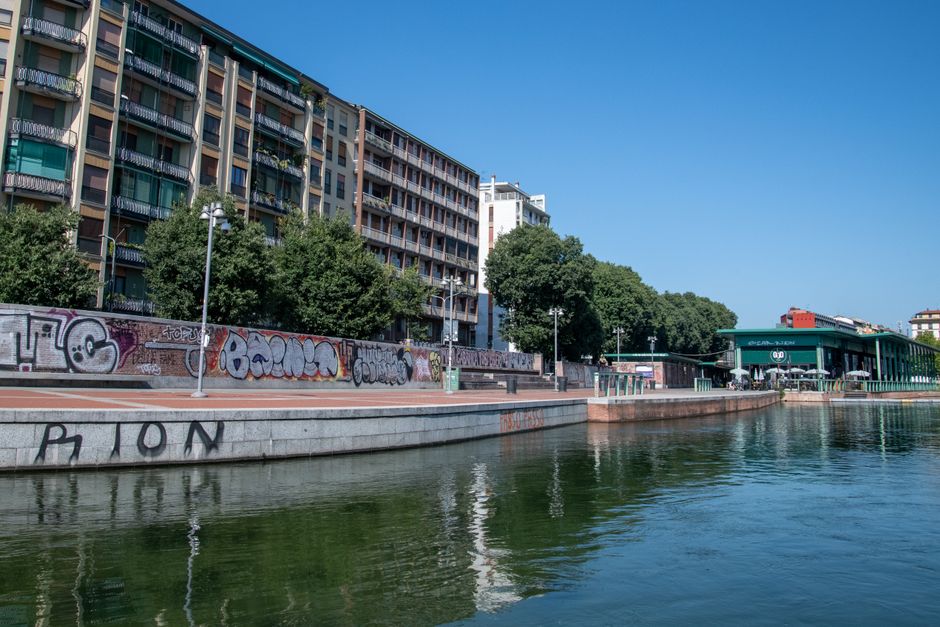
Walk along the Navigli Grande on a Friday evening and you'll witness something that felt impossible just three years ago: young professionals and families choosing to stay in Milan's most historically burdened neighbourhood. The transformation isn't flashy—there are no five-star hotels or luxury developments to announce—but it's real, and locals notice.
The shift began modestly. Between 2023 and 2025, average rental prices in the Navigli stabilised around €950 per square metre annually, roughly 20% lower than Brera and significantly cheaper than the city centre. This price correction, combined with improved public transport links and the opening of the Porta Genova station overhaul, made the neighbourhood mathematically sensible for the first time in a decade. But the real change came from below.
Independent bookshops, vintage dealers, and small design studios began clustering around Via Castaldi and the surrounding streets. Today, more than 60 creative businesses operate within the neighbourhood—double the figure from 2023. The opening of Spazio Navigli, a cooperative workspace run by local artisans and small-scale manufacturers, catalysed much of this activity. What emerged wasn't gentrification but genuine community investment by people who actually wanted to build something.
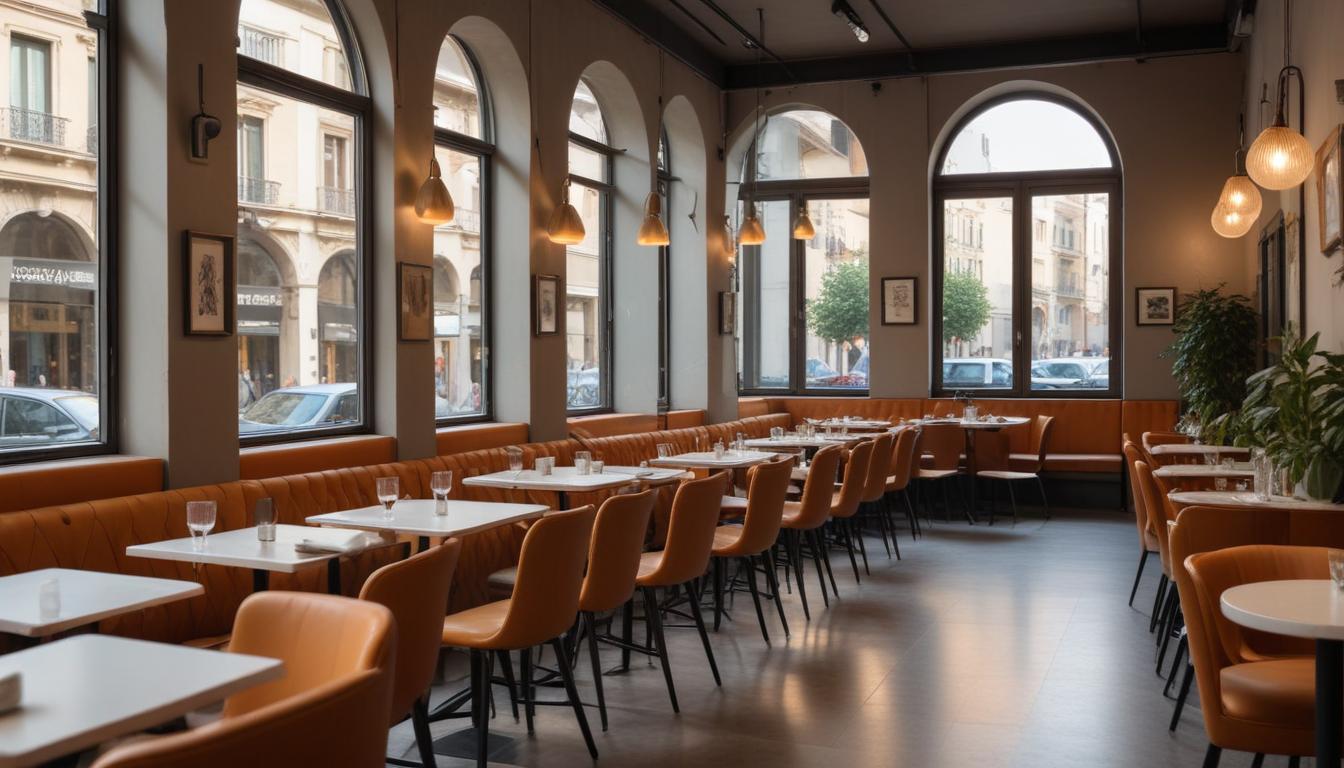
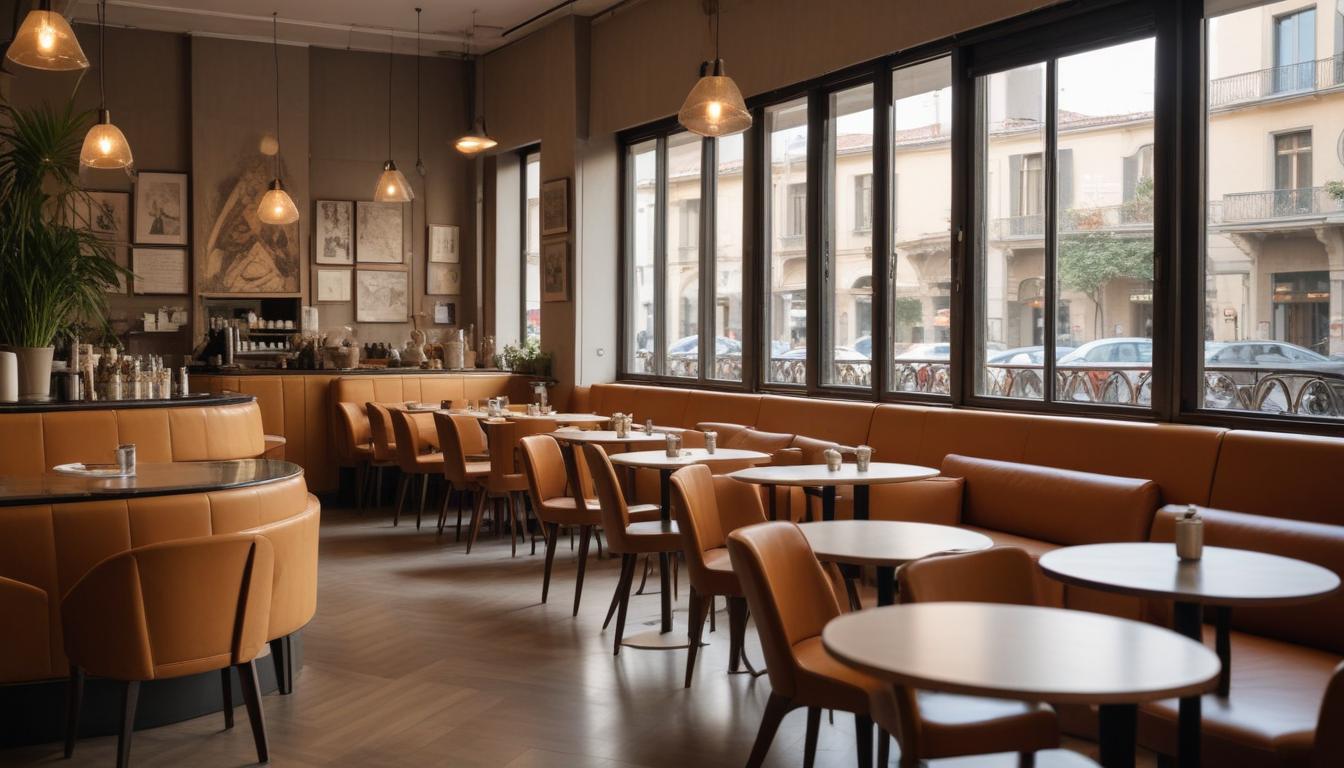
The food scene transformed differently than Milan's wealthier districts. Rather than Michelin-starred restaurants, the Navigli attracted established trattorias that relocated from increasingly expensive areas, alongside a new generation of neighbourhood restaurants operated by young chefs who live nearby. Osteria del Binari, opened in 2024, became emblematic—unpretentious, locally sourced, packed with residents rather than tourists.
Perhaps most significantly, the Navigli's relationship with its waterways improved. The 2024 restoration project on the Naviglio Pavese—expanding pedestrian zones and improving water quality—finally addressed decades of environmental neglect. Sunday mornings now draw joggers and families to the restored towpath, a sight that would have seemed fantastical five years ago.
What makes this transformation resonate with locals is its authenticity. These aren't imported trends but organic responses to genuine neighbourhood needs. Young families can afford to live here without compromise. Artists have studio space. Small business owners can operate viably. The Navigli works now because locals decided to build the neighbourhood they actually wanted, rather than waiting for outside investors to dictate its future.
That's why conversations about Milan's neighbourhood worth living in have fundamentally shifted. The Navigli isn't a sidebar anymore—it's where the city is actually going.
This article was compiled by AI from the sources linked above and screened before publishing. See our editorial standards.