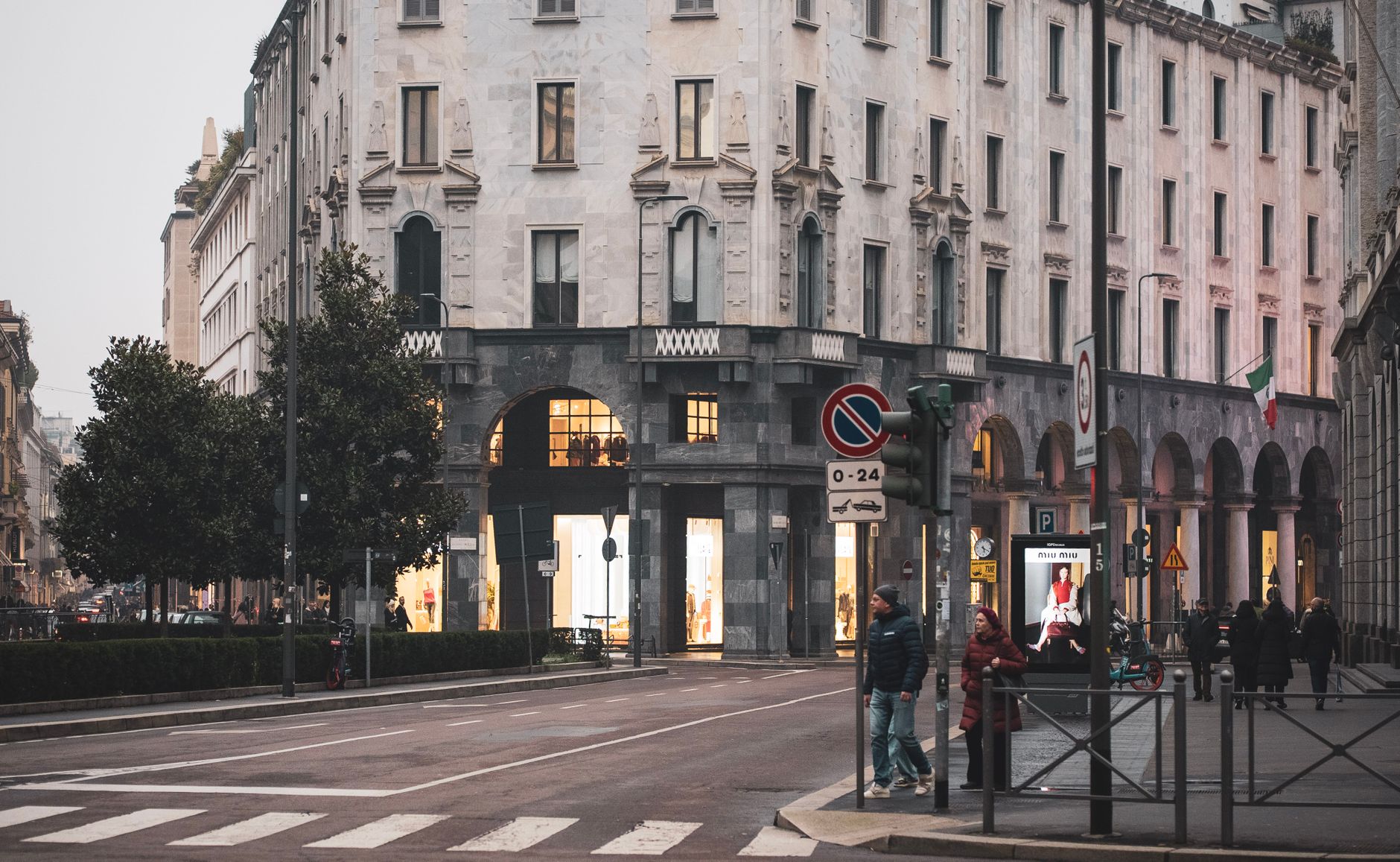
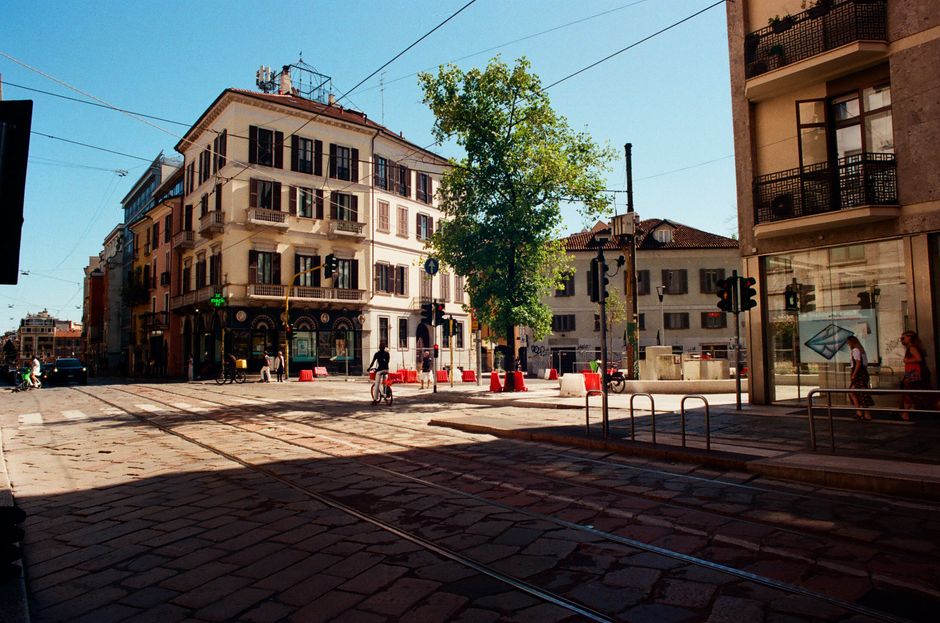
The reservation books in Milan are changing. While the Michelin-starred monoliths around the Galleria Vittorio Emanuele II continue to court the global elite, the city’s true gastronomic pulse has migrated toward the peripheral districts. This shift marks a departure from the city’s traditional reputation for formal dining, favoring neighborhood-centric spots that prioritize hyper-local sourcing and communal seating over white-tablecloth service.
The Rebirth of the 'Bottega' Culture
In the northern district of Isola, the transformation is visceral. Once a working-class enclave, the area now functions as a laboratory for young restaurateurs. At Ratanà, situated near the modern towers of Porta Nuova, the menu remains firmly rooted in Lombardy’s agricultural heritage. The focus here is on the 'chilometro zero' philosophy, sourcing polenta and cheeses from small-scale farmers in the Adda Valley rather than international distributors. The community vibe is tangible; staff know the residents by their first names, and the terrace serves as an unofficial town square for locals who have lived in the neighborhood since the pre-gentrification era.
East of the city center, the atmosphere in Lambrate offers a stark, grittier contrast. Here, the community vibe is defined by the proximity to the historic railway lines and independent brewing culture. Establishments like Trattoria Mirta have become the anchors of the district, operating on a strictly seasonal rotation. Unlike the high-concept bistros of Brera, the focus in Lambrate is on affordability and consistency, catering to a demographic of young professionals and multi-generational families who have called the area home for decades.
The Economics of the Neighborhood Table
Data from the Milan Chamber of Commerce shows that while hospitality tax revenues in the city center have risen by 8% over the last fiscal year, the rate of independent restaurant openings in peripheral zones like Certosa and Corvetto has increased by 14% since January 2026. This trend reflects a broader move toward 'neighborhood-first' spending. A standard three-course meal at a mid-tier restaurant in Isola now averages €45 per person, a price point that remains steady despite inflationary pressures that have driven the cost of high-end dining in the Quadrilatero della Moda well above €150.
For those looking to experience this evolution, timing is everything. Reservations in these districts are now booked three to four weeks in advance, particularly for Thursday and Friday services. Visitors are encouraged to avoid the tourist-centric traps near the Duomo and instead take the M5 purple line toward the northern hubs. The best approach to authentic Milanese dining in 2026 is to follow the sound of local chatter rather than the glow of Instagram-friendly signage. If you find a place where the menu is handwritten in chalk and the staff is arguing about the quality of the day’s shipment of Valtellina Casera cheese, you have found the right table.