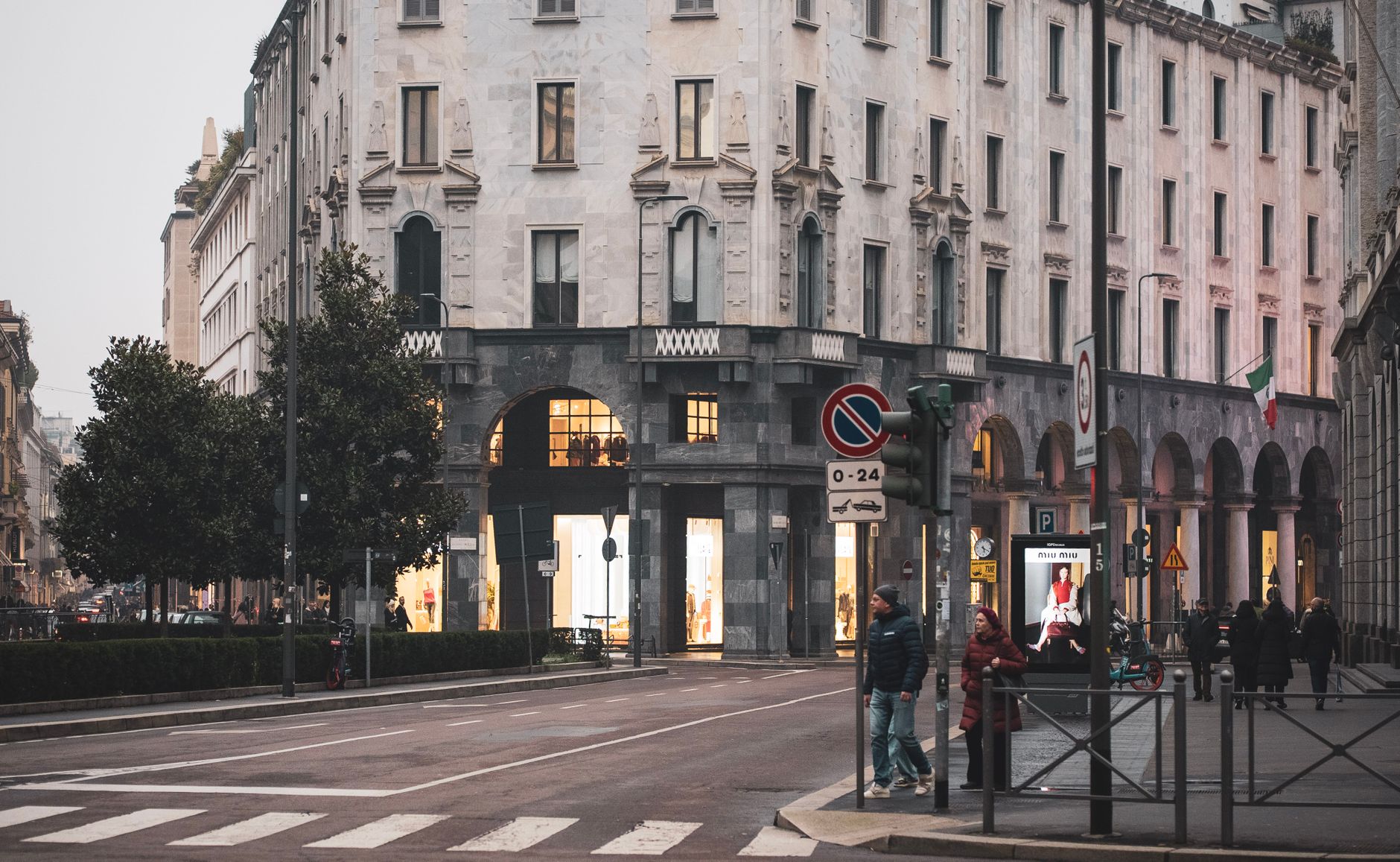
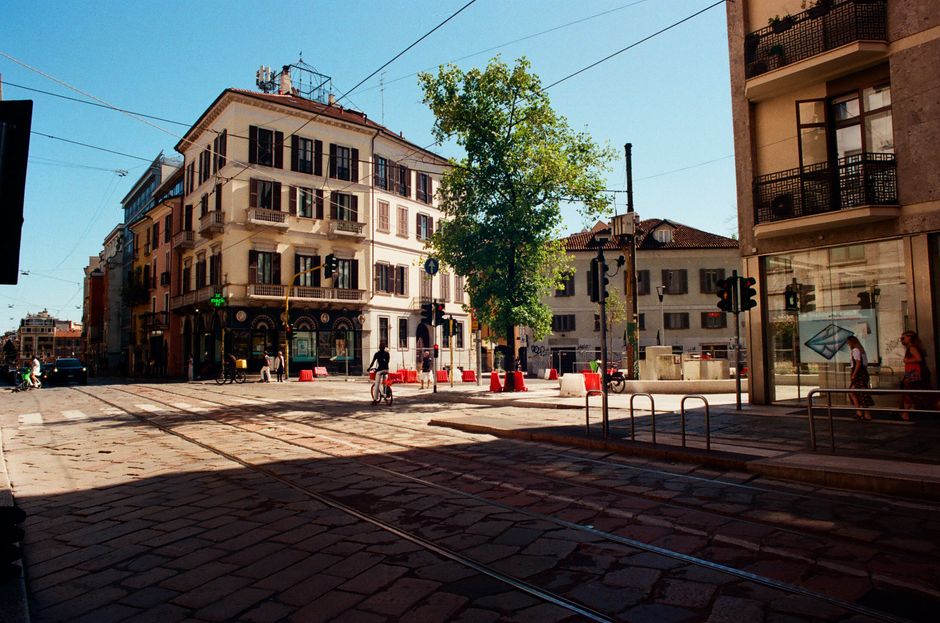
The traditional Milanese aperitivo is undergoing a sharp geographic migration this summer. While the neon-lit edges of the Darsena remain packed with visitors, the city’s true social heartbeat has retreated into the leafy corridors of Porta Venezia and the brutalist-meets-boutique streets of Isola. Locals are trading the overpriced, crowded buffets of tourist hubs for a more deliberate, community-focused glass of Franciacorta at neighborhood haunts that prioritize resident retention over transient foot traffic.
The shift toward hyper-local connection
In neighborhoods like Isola, the vibe has shifted significantly since the completion of the Biblioteca degli Alberi park projects. At Frida, tucked away in an industrial courtyard on Via Antonio Pollaiuolo, the focus is entirely on the cadence of the conversation rather than the sheer volume of the spread. It is here that the community character reveals itself: you won't find the aggressive 'all-you-can-eat' trays that defined the 2010s. Instead, there is a commitment to curated regional snacks, such as olives from Puglia and local Bitto cheese, paired with high-quality, mid-range cocktails that reflect the neighbourhood's evolving identity.
This shift matters because the city is currently grappling with a surge in hospitality commercialization that threatens the intimate social fabric of the historic districts. In Porta Venezia, spots like Bar Basso remain icons, but the new guard—like the establishments clustered around Via Tadino—are fostering a different kind of public life. These venues function as extensions of the living room, where the arrival of a regular is met with an immediate pour of Negroni Sbagliato, and where the seating plan is governed by long-standing social circles rather than reservation apps.
The economics of the perfect pour
Data from the Milan Chamber of Commerce indicates that the city’s hospitality sector contributes roughly 6.5% to the local GDP, with the average aperitivo price now climbing to 14 euros in the city center. However, just two miles north, in the residential heart of the Maggiolina district, prices hover closer to the 10-euro mark. This 28% price variance isn't just about overhead; it’s a reflection of the social contract. By keeping prices accessible, these neighborhood spots ensure the 5:30 p.m. ritual remains a daily habit for students, shopkeepers, and retirees, rather than a luxury event reserved for Friday nights.
If you want to experience the real Milanese vibe this week, avoid the major squares entirely. Head to Via Melzo on a Tuesday evening instead. You will find that the best way to integrate is to arrive early, lean against the counter rather than hovering over a table, and engage with the staff who have been pulling shifts in these specific neighborhoods for years. The community here values consistency over trend-chasing. Keep your order simple, your pace slow, and remember that in a true Milanese neighborhood bar, the quality of the crowd is always the primary indicator of the venue's worth.