Why Milan’s Quiet Courtyards Outperform the World’s Grandest Parks
While London and New York battle record-breaking heat waves, Milan’s unique urban DNA keeps the city cool, hidden, and thriving.
While London and New York battle record-breaking heat waves, Milan’s unique urban DNA keeps the city cool, hidden, and thriving.

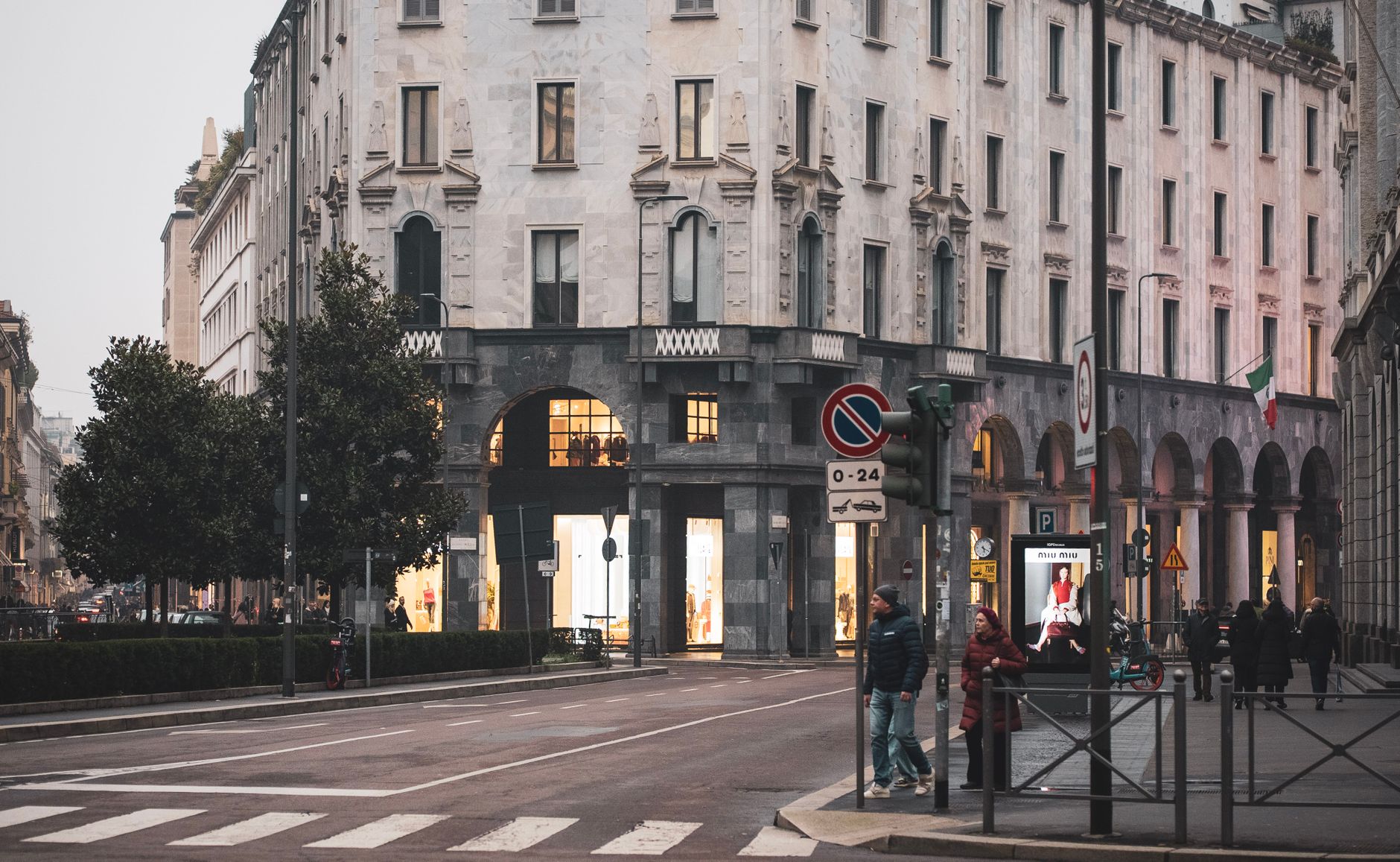
Milan hit 36 degrees Celsius this afternoon, but you would hardly know it walking through the shadows of Brera. Unlike the exposed, concrete-heavy plazas of Dubai or the sprawling, sun-baked lawns of Washington D.C.—where Fourth of July celebrations were scrubbed entirely today—Milan relies on an ancient, private-public architectural hybrid that preserves the city's dignity under pressure. The city’s cooling strategy isn’t found in vast, open meadows, but in the intricate network of internal courtyards and residential gardens that define the local lifestyle.
The urban heat island effect is a global crisis this summer, yet Milanese life continues without the mass closures seen elsewhere. The reason is the cortile. Behind the heavy wooden doors of 19th-century buildings in neighborhoods like Magenta and Porta Venezia, the temperature often drops by as much as five degrees. These private green lungs act as heat sinks, circulating cooler air through the dense urban fabric in a way that modern high-rises simply cannot replicate.
Public infrastructure programs like ForestaMi—the ambitious project aiming to plant three million trees by 2030—are only half the story. While the city government focuses on reclaiming gray space, residents are maintaining thousands of hidden oases that never appear on tourist maps. Organizations like the FAI (Fondo Ambiente Italiano) have worked to open these spaces to the public during events like Ville Aperte, revealing how the city’s historic architecture was designed specifically to facilitate airflow and greenery.
Walk through the cloistered garden of the Museo Poldi Pezzoli or the lush, shaded courtyard of the Università Cattolica del Sacro Cuore, and the city’s unique competitive advantage becomes clear. These aren't just patches of grass; they are sophisticated climate-control systems designed centuries ago. In Paris, the lack of shade in neighborhood squares forces residents into air-conditioned retail corridors. In Milan, the tradition of the afternoon aperitivo remains outdoors because the city’s layout keeps the microclimates of the street level habitable even when the mercury climbs.
Efficiency in Milan is measured in square meters of canopy cover. As of July 2026, the municipal department for green space reports that canopy cover in the central districts remains at 14.5%, a figure the administration intends to boost to 20% within four years. While property prices in these leafier, courtyard-centric zones have climbed—with mid-range apartments near Parco Sempione now averaging €9,500 per square meter—the market reflects a growing premium on natural ventilation. Data from local real estate firm Immobiliare.it shows that units with access to private or semi-private gardens are commanding a 12% price increase compared to units of identical size in buildings lacking green internal space.
If you find yourself sweltering this week, head away from the exposed asphalt of Piazza Duomo. Instead, look for the buildings with partially open carriage gates in the 5th district or the quiet, tree-lined passages of the Tortona area. The city’s unique strength is its refusal to turn its back on the outdoors. When the global climate shifts, Milan’s strategy is to retreat behind its own walls, not into a basement, ensuring that the passeggiata remains a ritual rather than a health risk.
How does this story make you feel?
Spread the word
About this article
Published by The Daily Milan
Daily brief
Free, in your inbox before 7am. Weekdays.
More in lifestyle