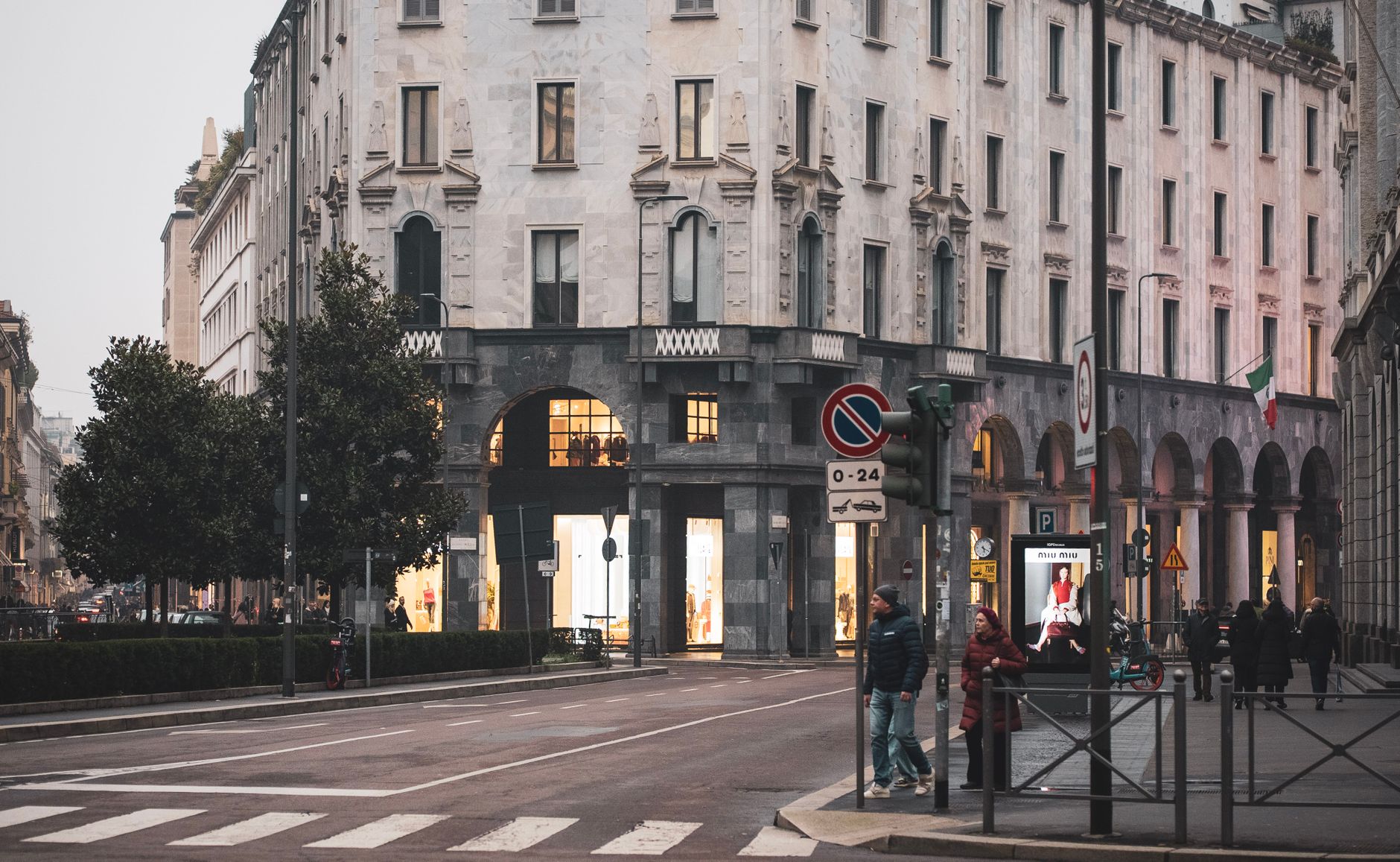
Milan’s Concrete Oasis: Inside the Neighborhoods Redefining Outdoor Living
As July temperatures soar, the city's pocket parks and reimagined green corridors are becoming the essential frontline of Milanese social life.
As July temperatures soar, the city's pocket parks and reimagined green corridors are becoming the essential frontline of Milanese social life.

Milan’s urban footprint is evolving as residents retreat from the sweltering heat of the Piazzas into a growing network of redeveloped green spaces. The city is shifting away from its reputation as a purely industrial powerhouse, with neighborhood collectives now aggressively lobbying for more canopy cover along the Ring Road and into the dense corridors of Isola. This transformation is changing how locals occupy their neighborhoods, turning once-neglected transit strips into high-density community hubs.
In the Isola district, the transformation of the area surrounding the Bosco Verticale has acted as a catalyst for a broader shift in lifestyle. Locals no longer rely solely on the Parco Sempione for relief; instead, they are staking claim to smaller, hyper-local spots like the Biblioteca degli Alberi. This park functions less like a municipal garden and more like an outdoor living room for the neighborhood. It hosts daily yoga sessions and evening Aperitivo crowds who prefer the cooling effect of the park's 135,000 perennial plants over the baking stone of the city center.
Further south, the Porta Romana district is testing the limits of what a pocket park can handle. The Fondazione Prada has indirectly spurred a change in how developers integrate public greenery, pushing for 'living squares' rather than traditional fenced-off lawns. Residents of Via Ripamonti now find themselves within a five-minute walk of communal gardens maintained by the Orti Urbani di Via Padova project, an organization that has successfully converted industrial voids into collective vegetable plots and shaded seating areas.
Data from the Municipality of Milan indicates that property values within 300 meters of these newly established green corridors have risen by approximately 12% over the last 24 months. While this creates a challenge for affordability, it reflects a fundamental shift in what the Milanese market demands. A standard coffee in the vicinity of these shaded parks now averages €3.50, a small premium compared to the €1.80 found in the unshaded, congested alleys near the central train station. The city’s 2026 urban planning budget allocated €45 million specifically for the 'Forestami' initiative, a program designed to plant three million trees by 2030 to mitigate the heat island effect currently pushing surface temperatures to 40 degrees Celsius in open asphalt areas.
For those looking to trade the urban furnace for a more temperate social life, the strategy is simple: follow the canopy. Neighborhood associations in Lambrate are currently hosting Friday evening garden tours, providing a look at how to navigate these micro-climates. If you plan to spend time outdoors this weekend, aim for the northern transit lines before 11:00 a.m. or wait until the sun drops behind the skyline of the CityLife district, where the architectural layout creates natural wind corridors that remain noticeably cooler than the rest of the city.
How does this story make you feel?
Spread the word
About this article
Published by The Daily Milan
Daily brief
Free, in your inbox before 7am. Weekdays.
More in lifestyle