Moving to Milan? Here's What You Actually Need
New residents reveal the ATM cards, neighbourhoods, and survival tips that make settling into Italy's fashion capital work.
New residents reveal the ATM cards, neighbourhoods, and survival tips that make settling into Italy's fashion capital work.
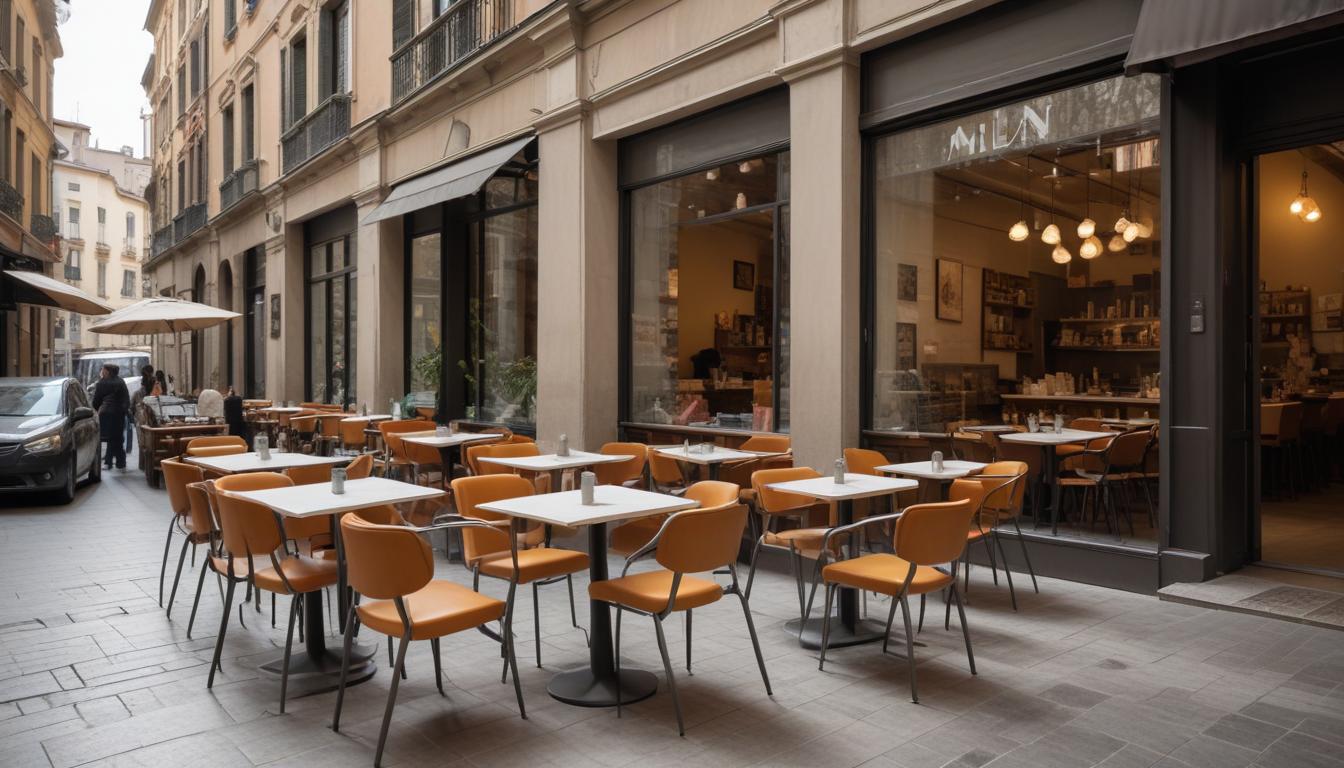
You've unpacked your suitcase in Milan. Now what? The city's reputation precedes it—fashion capital, design hub, culinary temple—but the real magic happens when you stop being a tourist and start being a resident. Here's how to actually live here.
Banking and Admin (Do This First)
Open a current account at one of Milan's major banks. UniCredit, Intesa Sanpaolo, and Banco BPM dominate; expect to provide your passport, codice fiscale (tax ID), and proof of address. The codice fiscale is non-negotiable—apply immediately at the Agenzia delle Entrate office on Via Dante or request it through their online portal. Many expats delay this; don't. You'll need it for everything from renting to registering at a gym.
Neighbourhood Navigation
Where you land shapes your Milan experience. Brera attracts creative professionals and offers gallery walks; expect €900–1,200 monthly for a one-bedroom. Navigli, near the restored canals, buzzes with younger crowds and weekend aperitivo culture. For quieter living with park access, Porta Venezia offers tree-lined streets and proximity to the city's green lungs. Avoid choosing purely by aesthetics—consider your commute. The Metro M1, M2, and M3 lines are reliable; a monthly card costs €38.
Groceries and Markets
Supermarkets like Carrefour and Coop stock international items, but Milan's real food culture lives in its markets. Viale Papiniano (Tuesday and Saturday mornings) offers produce at 30% less than shops. For specialist goods, explore Via Montenapoleone's food artisans or the weekend farmer's market at Arco della Pace. Budget €40–60 weekly for groceries if you cook; dining out averages €12–18 for lunch, €25–40 for dinner.
Social Integration
Join communities intentionally. InterNations Milan hosts monthly mixers; Couchsurfing meetups happen weekly. The city's coworking spaces—WeWork on Via Torino, The Hub near Centrale—double as networking hubs. Language matters: while English works in central areas, learning conversational Italian accelerates friendships and opportunities. Attend neighbourhood aperitivi on Friday evenings; Milanese warmth emerges once you're a regular.
Practical Essentials
Register with your neighbourhood police station (questura) within eight days if staying beyond 90 days. Buy a Carta Giovani (youth card) for cultural discounts. Download the ATM Milano app for transport planning and tickets. Keep a photocopy of your passport separate from the original.
Milan rewards curiosity and consistency. The overwhelming first weeks fade once you've found your café, your market, your rhythm. That's when the city becomes home.
This article was compiled by AI from the sources linked above and screened before publishing. See our editorial standards.
How does this story make you feel?
Spread the word
About this article
Published by The Daily Milan
Daily brief
Free, in your inbox before 7am. Weekdays.
More in lifestyle