Senior Mobility Milan: Safe Walking Tips for Older Adults
Evidence-based strategies for staying active after 60 in Milan. From Sempione's flat paths to navigating Navigli stairs, here's what works.
Evidence-based strategies for staying active after 60 in Milan. From Sempione's flat paths to navigating Navigli stairs, here's what works.
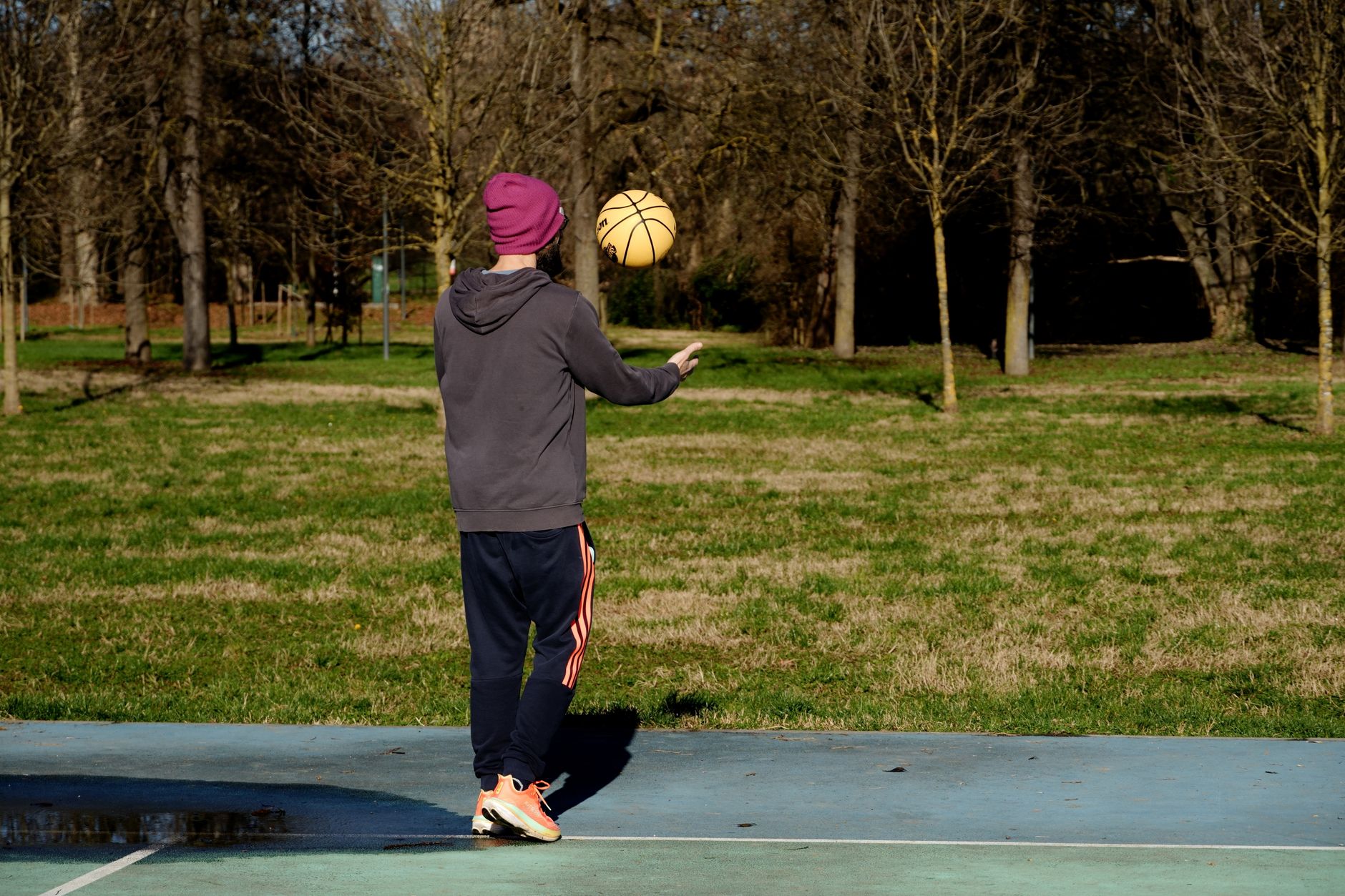
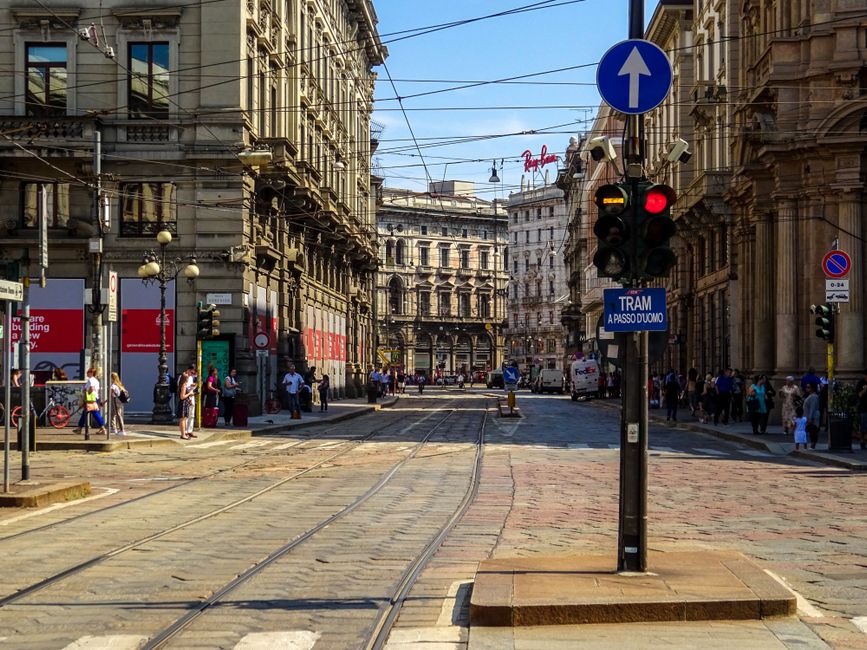
Milan's charm comes with physical demands. Historic neighbourhoods mean cobblestones. Navigli apartments mean stairs. Sempione Park's 86 hectares offer promise, but only if you're equipped to use them safely. For seniors navigating active ageing here, evidence-based strategy matters more than enthusiasm.
Start with terrain reality. Research consistently shows that low-impact, regular movement—not intensity—predicts mobility retention in older adults. Sempione's flat, tree-lined paths suit this perfectly. The park's main circuit is approximately 4.5 kilometres with minimal elevation change. Three sessions weekly of 30-45 minutes walking here outperforms sporadic intense efforts. This isn't new; it's what gerontology research has confirmed for two decades.
Stair management is non-negotiable in Milan's historic centre. Rather than avoid them, strategic stair use—taking handrails, descending carefully, building leg strength through controlled repetition—maintains the neural pathways that prevent falls. A 2023 systematic review found that stair-specific training reduced fall risk by approximately 30 per cent in adults over 65. Consider Brera's shallow steps for practice; they're less intimidating than Navigli's steeper residential entrances.
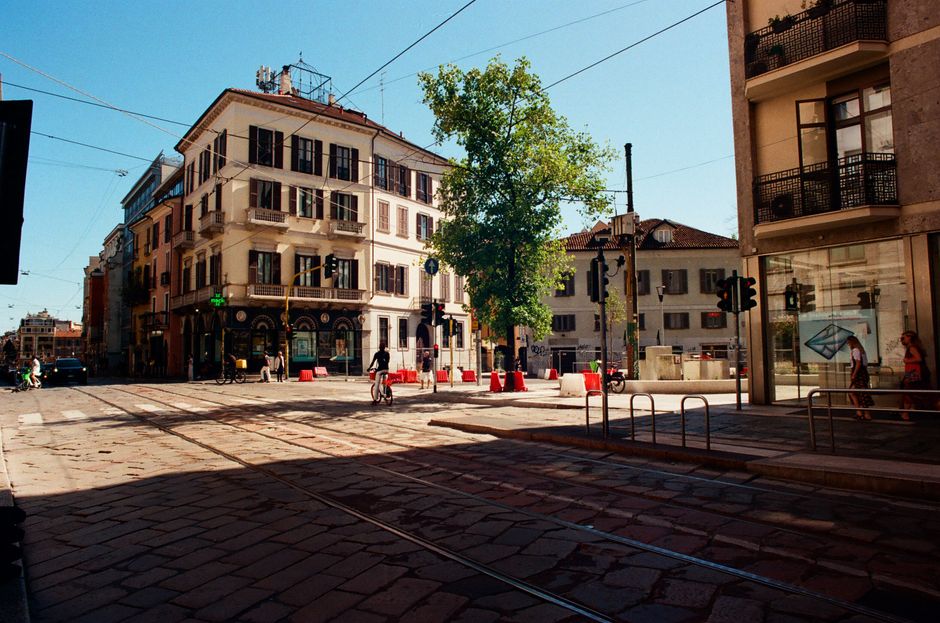
Cycling deserves attention. Navigli cycling culture is accessible for older adults; flat routes along the Navigli Grande and Navigli Pavese provide social engagement plus cardiovascular benefit without joint impact. E-bikes, increasingly common in Milan's bike-sharing ecosystem, remove the strength barrier entirely—evidence shows e-cycling participation rates among seniors exceed traditional cycling by significant margins.
Social structure amplifies outcomes. Solitary exercise adherence drops sharply after three months in this age group. Milan's aperitivo culture offers natural anchors: walking groups meeting at Piazza Gae Aulenti before drinks, or cycling meetups organised through neighbourhood associations near Porta Venezia, create accountability and pleasure simultaneously. This isn't sentimental—social-connected exercise shows 40 per cent better retention than isolated routines.
Balance training, often overlooked, is evidence-based injury prevention. Even 10 minutes daily of standing-on-one-leg variants or tai chi reduces fracture risk measurably. Free classes operate through Milan's public health system (ASP Milano) in most zone libraries—check your local biblioteca civica for schedules.
Finally, footwear matters practically. Milan's cobblestones demand good arch support and grip. Investment in quality walking shoes (€80-150 locally) prevents the awkward compensations that cascade into knee and hip problems.
Active ageing in Milan isn't about proving something. It's about using the city's natural structure—parks, cycling infrastructure, social rituals, accessible healthcare—strategically. That's where evidence and Milano's particular conditions align.
This article was compiled by AI and screened before publishing. See our editorial standards.
How does this story make you feel?
Spread the word
About this article
Published by The Daily Milan
Daily brief
Free, in your inbox before 7am. Weekdays.
More in Wellness