Sleep hygiene in the city: How temperature, light and noise affect your sleep quality
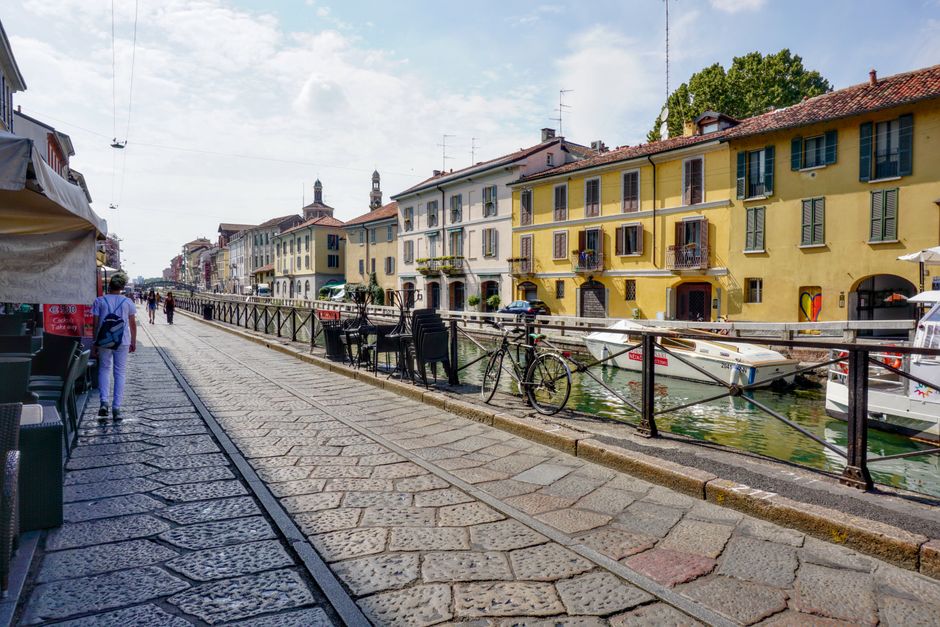
As summer temperatures climb in Milan, managing your internal rhythm is more challenging than ever for a good night's rest.
As summer temperatures climb in Milan, managing your internal rhythm is more challenging than ever for a good night's rest.

A restful night in Milan is increasingly dictated by the external environment as much as individual biology. With the current summer season intensifying both ambient heat and urban activity, residents are finding that the quality of their sleep depends heavily on the regulation of light, noise, and thermal comfort within their own homes.
Sleep quality impacts overall health and long-term wellness outcomes. Research indicates that the restorative stages of sleep, particularly deep sleep, are highly sensitive to disruptions. For those living in active neighborhoods such as Brera or Porta Nuova, the challenge lies in mitigating the sensory influx of a 24-hour city to maintain the body's natural circadian rhythm.
The Mediterranean climate common to Lombardy brings high nighttime temperatures that can complicate sleep. Clinical guidance on sleep hygiene emphasizes that a cooler room temperature is essential for lowering core body temperature, a prerequisite for falling asleep quickly. Many residents near Sempione Park are turning to traditional methods, such as keeping shutters closed during the heat of the day to block direct sunlight and reduce internal heat gain, before opening windows during the cooler late-night hours.
Light pollution remains another factor for city dwellers. Exposure to artificial light, particularly blue light from electronic devices, suppresses melatonin production. According to a report published by the European Environment Agency in 2026, air and noise pollution remain significant environmental concerns for urban residents, with noise levels in high-density areas often exceeding recommended thresholds for restorative rest. For those living along the Navigli or near the bustling Corso Buenos Aires, noise-canceling curtains or white-noise devices are becoming standard equipment for maintaining a quiet bedroom environment.
Establishing a consistent wind-down routine is the most effective approach to counteracting these urban stressors. Experts consistently recommend limiting screen time at least one hour before bed, as the blue light emission from smartphones and laptops tricks the brain into remaining alert. If you are experiencing persistent sleep disturbances, it is vital to consult with a medical professional, such as those available through the Servizio Sanitario Nazionale, to rule out underlying conditions or chronic sleep disorders.
Future urban planning initiatives in Milan, such as those overseen by the Comune di Milano, continue to integrate green infrastructure intended to mitigate the urban heat island effect, which can indirectly support better sleep quality by cooling the surrounding air. In the meantime, focus on creating a sanctuary in your bedroom: keep it dark, quiet, and as cool as the seasonal conditions allow. If you feel your sleep habits are affecting your daily function, contact your local general practitioner or the sleep clinics at Ospedale Niguarda for personalized, evidence-based guidance.
How does this story make you feel?
Spread the word
About this article
Published by The Daily Milan
Daily brief
Free, in your inbox before 7am. Weekdays.
More in Wellness