As social housing initiatives struggle to meet demand, Milan's entry-level market is being reshaped by regulation, speculation, and a shrinking supply of genuinely affordable units.
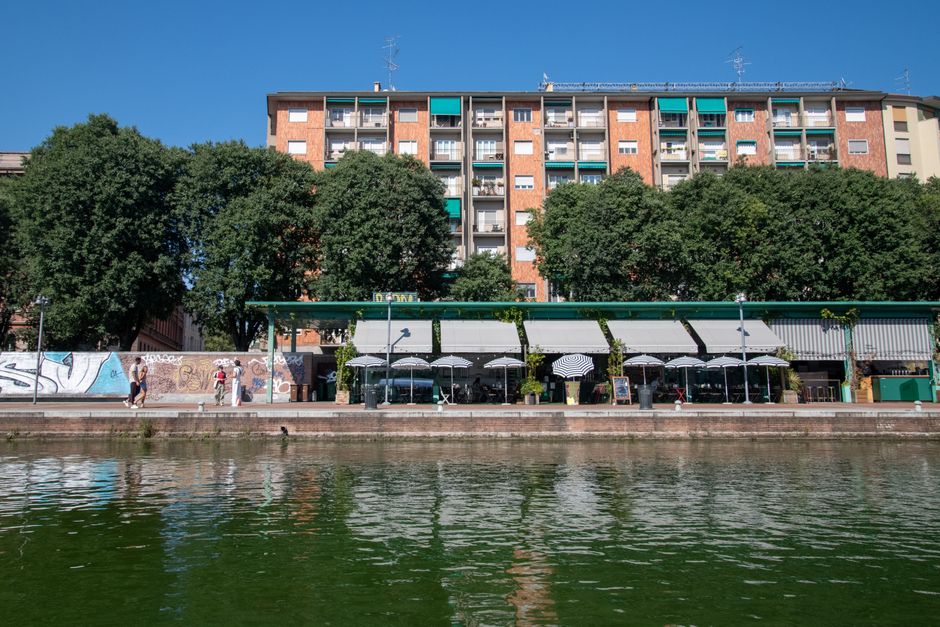
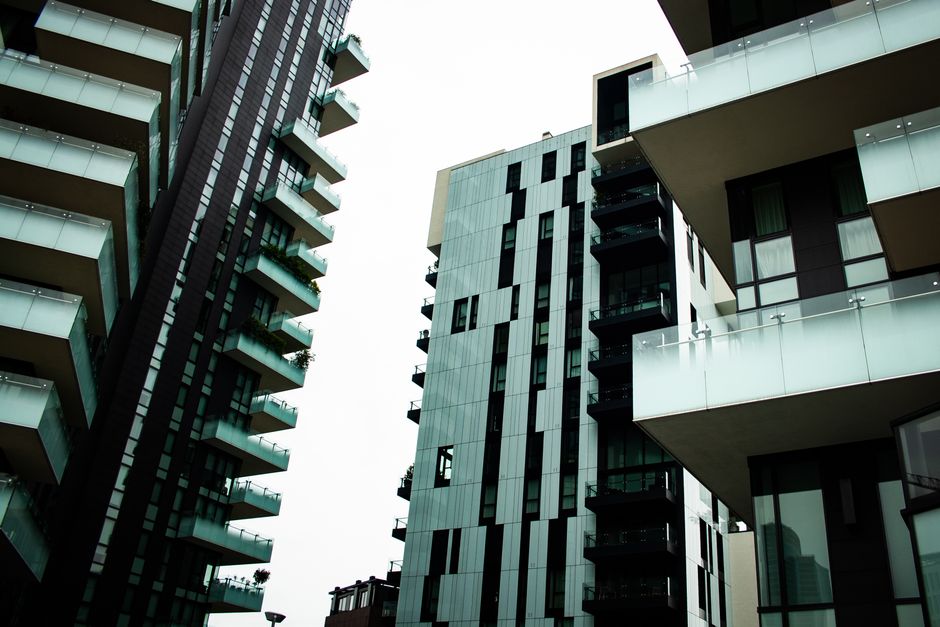
With dozens of residential projects reshaping neighbourhoods from Isola to Navigli, understanding planning approvals and timelines is crucial before you commit.
As landlords capitalise on soaring demand, renters across the city face shrinking choices and ballooning costs—forcing both sides to recalibrate what's possible in Italy's tightest housing market.
Regional planning changes targeting mixed-use development have triggered a subtle but significant repricing across Milan's secondary neighbourhoods, with early adopters already capitalising on policy-driven growth.
Tighter tenant protections and falling landlord yields are forcing first-home buyers to recalibrate their strategies, while grants alone cannot bridge the growing affordability gap.
With vacancy rates shifting across Milan's neighbourhoods, new entrants to the property market need to understand where opportunities and risks lie before committing.
As the city struggles with affordability, investor returns on mixed-tenure developments are reshaping how developers think about social housing as a viable asset class.
Fashion money, remote work shifts, and Europe's tightest rental markets are reshaping yields across the city—here's what savvy investors must understand.
A wave of new approvals and construction projects is transforming the historic neighbourhood into a magnet for developers and buyers seeking alternatives to saturated central zones.
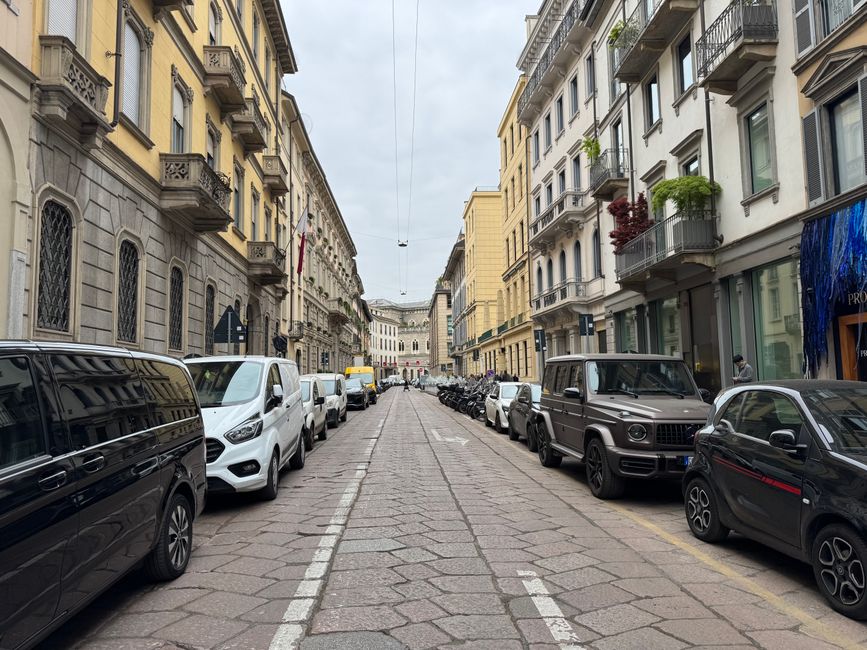
As international demand for premium apartments in Brera and Porta Nuova intensifies, rental conditions are shifting sharply—with landlords gaining leverage while high-net-worth tenants face compressed timelines and non-negotiable terms.