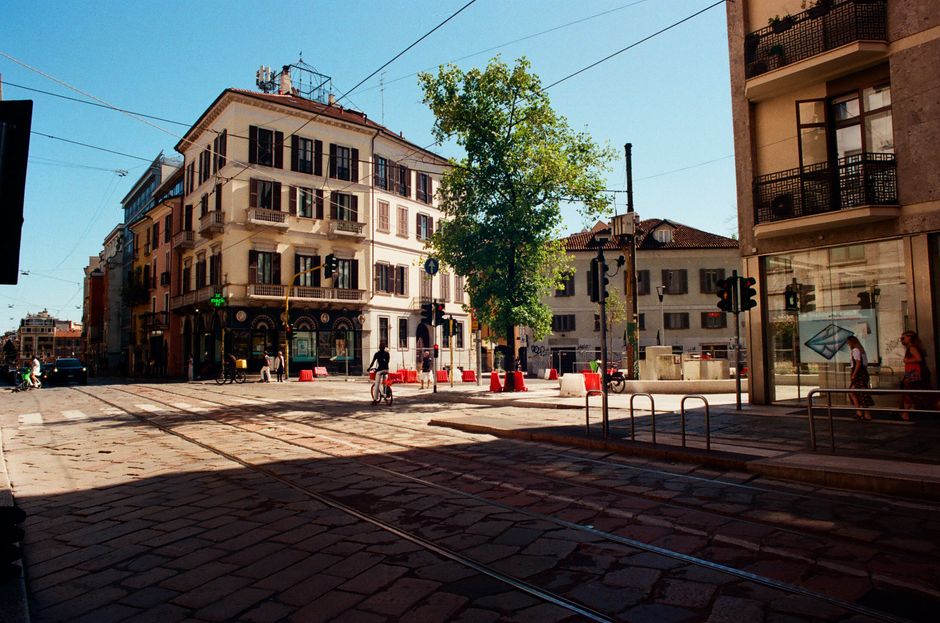
Walk along the Navigli Grande on a Friday evening and you'll notice something has shifted. Where bottle-service clubs once dominated, craft cocktail bars with sustainability credentials now thrive. The neighbourhood's nightlife renaissance isn't about staying out later—it's about staying out differently.
The transformation reflects broader changes in how Milan's young professionals and creative class approach social life. According to recent data from the Milan Chamber of Commerce, neighbourhood foot traffic in the Navigli has increased 23% since 2024, yet average venue closing times have actually shortened. Venues like those clustered along Via Casale and around the Darsena are prioritising quality experiences over volume.
"We're seeing venues pivot toward aperitivo culture and early-evening gatherings," explains the trend through observable patterns in the district. Craft beer halls have proliferated—notably around Corso di Porta Ticinese—where locally-brewed options from Lombardy-based producers now occupy shelf space that previously featured mass-market imports. Prices have stabilised around €6-8 for quality draught beer, reflecting a democratisation of premium offerings.
The wellness angle is particularly pronounced. Several venues near the Basilica di Santa Maria delle Grazie vicinity now offer low-alcohol and alcohol-free cocktails as standard menu items, not afterthoughts. This shift mirrors London and Berlin trends but feels distinctly Milanese—linked to the city's broader embrace of biohacking and longevity culture.
Social activities are diversifying too. Board game cafés have tripled in the Navigli area since 2023. Live music venues are emphasising intimate, seated formats rather than standing-room crowds. The terraces along the canal—historically packed with tourists—increasingly host curated events: poetry readings, film screenings, industry networking sessions for tech workers.
Perhaps most tellingly, venues are extending operating hours in unconventional directions. Several establishments now open at 7am as workspaces with coffee and pastries, then transition into social hubs by evening. It's a nine-to-five-to-nightlife blur that reflects how Milan's residents actually live.
The shift isn't without growing pains. Traditional late-night clubs have consolidated, with several on Via Brera and surrounding streets closing permanently since 2024. Rents have paradoxically increased despite reduced venue density, pricing out some independent operators. Yet for those adapting, the Navigli's evolution represents a maturing market—one where staying out isn't about proving something anymore. It's about connection, craft, and actually enjoying yourself without the hangover.
This article was compiled by AI and screened before publishing. See our editorial standards.