Milan's nightlife landscape has shifted considerably over the past 18 months. The post-pandemic social appetite remains strong, but today's residents are approaching evenings out with a more intentional mindset—seeking quality venues, meaningful social connections, and experiences that justify the city's notoriously high prices.
The Navigli neighbourhood continues to dominate for casual aperitivo culture. Canal-side bars along Naviglio Grande and Naviglio Pavese remain packed Thursday through Saturday, with most venues charging €8–12 for spritz and €6–9 for beer. Arrive before 8pm if you want seating; after 10pm, expect standing-room crowds. The neighbourhood's relaxed vibe suits groups seeking conversation over cocktail complexity, though venue quality varies considerably.
For something more curated, Zona Tortona has emerged as the epicentre for residents seeking contemporary nightlife. This formerly industrial area—bounded by Via Tortona and Via Stuccardo—now hosts clubs and lounges with rotating DJ programmes and often-experimental electronic music. Entry typically runs €10–20, with drinks priced at €9–14. Many venues operate Thursday to Saturday only, reflecting a shift toward weekend-focused socialising.
Brera remains reliable for traditional nightlife. The neighbourhood's density of bars, from casual wine bars to upscale cocktail lounges, means something works whatever your mood. Prices climb sharply here—cocktails regularly exceed €15—but the atmosphere skews more sophisticated than Navigli.
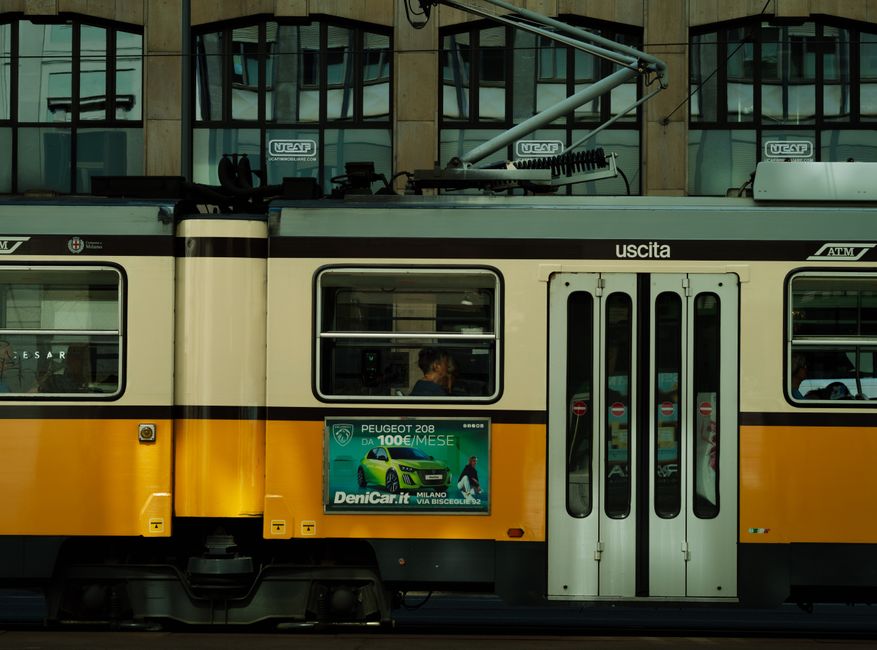
A practical consideration: Milan's public transport closes around midnight, with limited night bus services. Taxis and ride-sharing apps (Uber, FreeNow) are essential for late-night mobility, particularly for those heading to more distant venues. Budget €15–25 for late-night transport depending on distance.
The social dynamics have also shifted. Group aperitivo culture remains strong, but mid-week socialising has declined slightly compared to 2024—many residents now concentrate their outings to weekends. This means Thursday and Friday evenings offer better availability at popular venues than they did two years ago, while Saturday nights remain reliably crowded.
For residents considering regular outings, several neighbourhoods now offer loyalty programmes or membership schemes. Though informal, building relationships with individual bar staff often yields small perks: reserved seating, slightly reduced prices, or priority access during peak hours.
The key to naviging Milan's nightlife in 2026 is matching venue choice to your specific goal—whether that's accessible socialising, adventurous music discovery, or neighbourhood immersion. The scene remains vibrant, but it rewards the residents who approach it strategically rather than spontaneously.
This article was compiled by AI and screened before publishing. See our editorial standards.