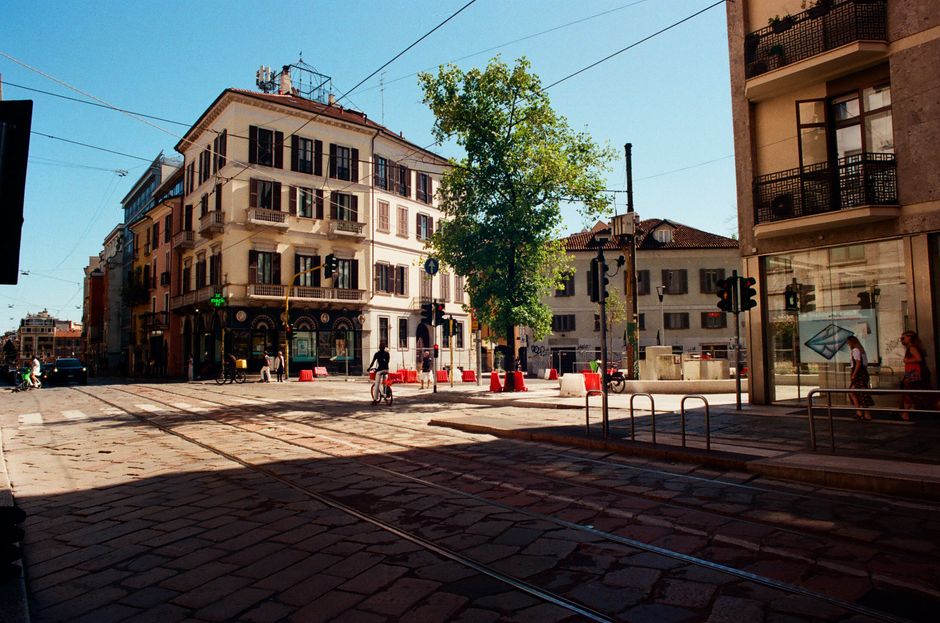
For decades, the Navigli district has carried a particular identity in Milan's weekend landscape: the place where twenty-somethings gathered along the Naviglio Grande and Naviglio Pavese canals for aperitivo hour, clustering outside bars with plastic cups until well past midnight. That narrative is shifting dramatically.
Walk through the neighbourhood on a Saturday morning in 2026, and you'll notice the changes immediately. Where tourist-trap bars once dominated, independent bookshops and design studios now occupy ground floors. The opening of three new contemporary art spaces along Via Ascanio Sforza in the past eighteen months has reframed the district as a cultural destination. Gallery Rassegna, which launched last autumn, hosts rotating exhibitions focused on emerging Mediterranean artists. Weekend foot traffic has consequently shifted earlier in the day.
"We're seeing a completely different clientele," explains the owner of Caffè Sconto, a long-standing neighbourhood fixture. "Families with children, professionals seeking weekend cultural activities, people planning their leisure time rather than just showing up for drinks." Weekend visitor numbers to the Navigli have remained stable—around 45,000 on typical Saturdays—but the composition and spending patterns have evolved. Food-focused venues now outnumber pure bars by a ratio of roughly two-to-one, according to the Navigli Business Association.
The transformation reflects broader Milan trends. The city's post-pandemic leisure culture has increasingly emphasised wellness, creativity, and experiences over pure consumption. Running clubs meet along the Naviglio Pavese towpath each Sunday; yoga studios have opened in converted warehouse spaces; vintage markets and craft fairs now anchor weekend activities.
Prices have shifted accordingly. While a beer still costs €4–5, a properly curated weekend—visiting a gallery (typically €8–12 entry), lunch at a neighbourhood trattoria (€18–25 per person), and browsing vintage shops—now represents a more intentional investment than the old aperitivo model. Weekend accommodation in adjacent neighbourhoods like Porta Ticinese has seen modest price increases, though the district itself remains more accessible than central Milan.
The Navigli's evolution hasn't obliterated its social character entirely. Evening crowds still gather, but increasingly they're dining, attending cultural events, or meeting friends at wine bars rather than pursuing the old party-zone formula. Some observers note a nostalgic quality to this transition—the neighbourhood is maturing alongside its original clientele.
For weekend planners, the Navigli now functions differently: less escape valve, more destination. That distinction matters as Milan continues repositioning itself as a city of cultural depth rather than merely commercial velocity.
This article was compiled by AI and screened before publishing. See our editorial standards.